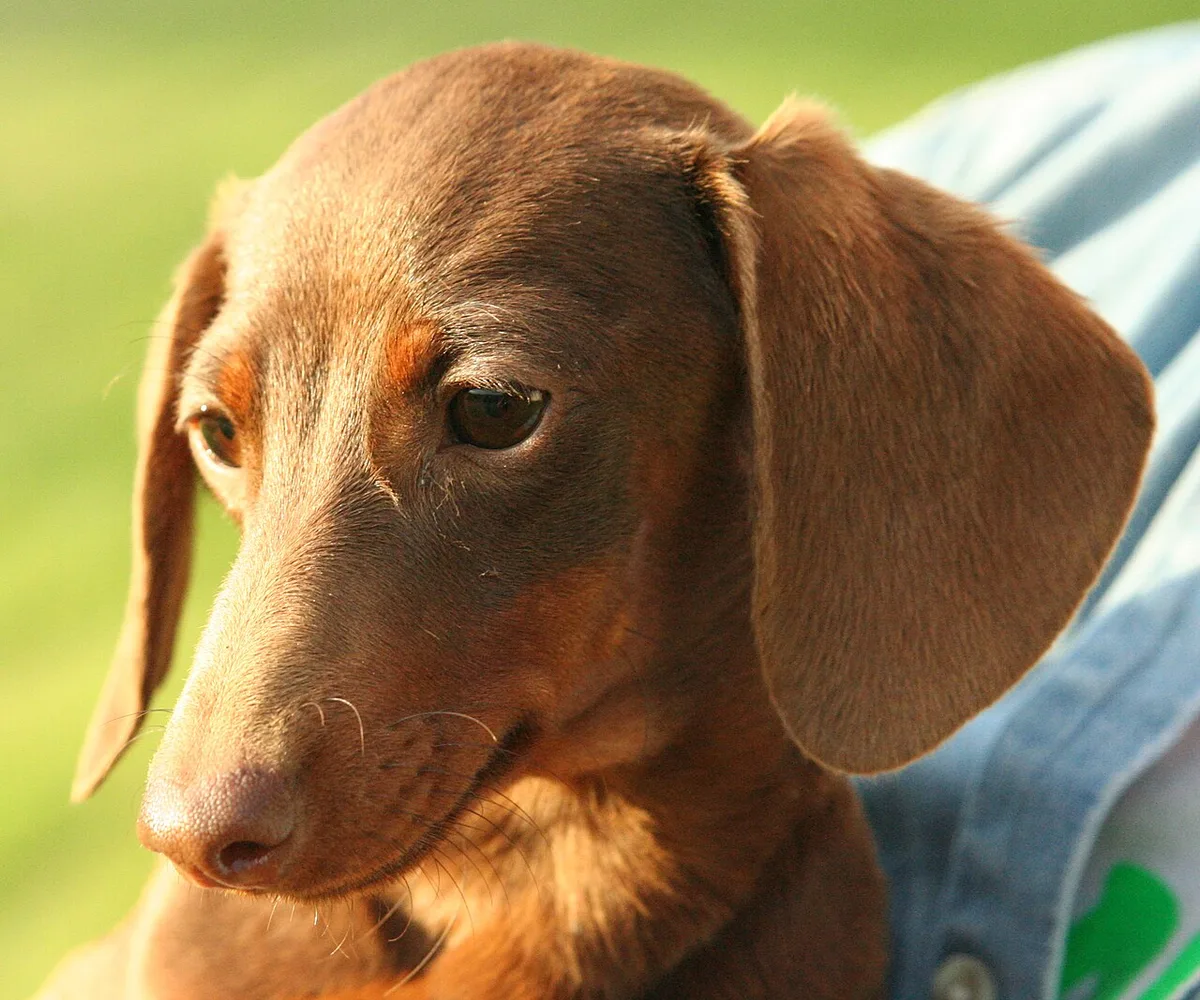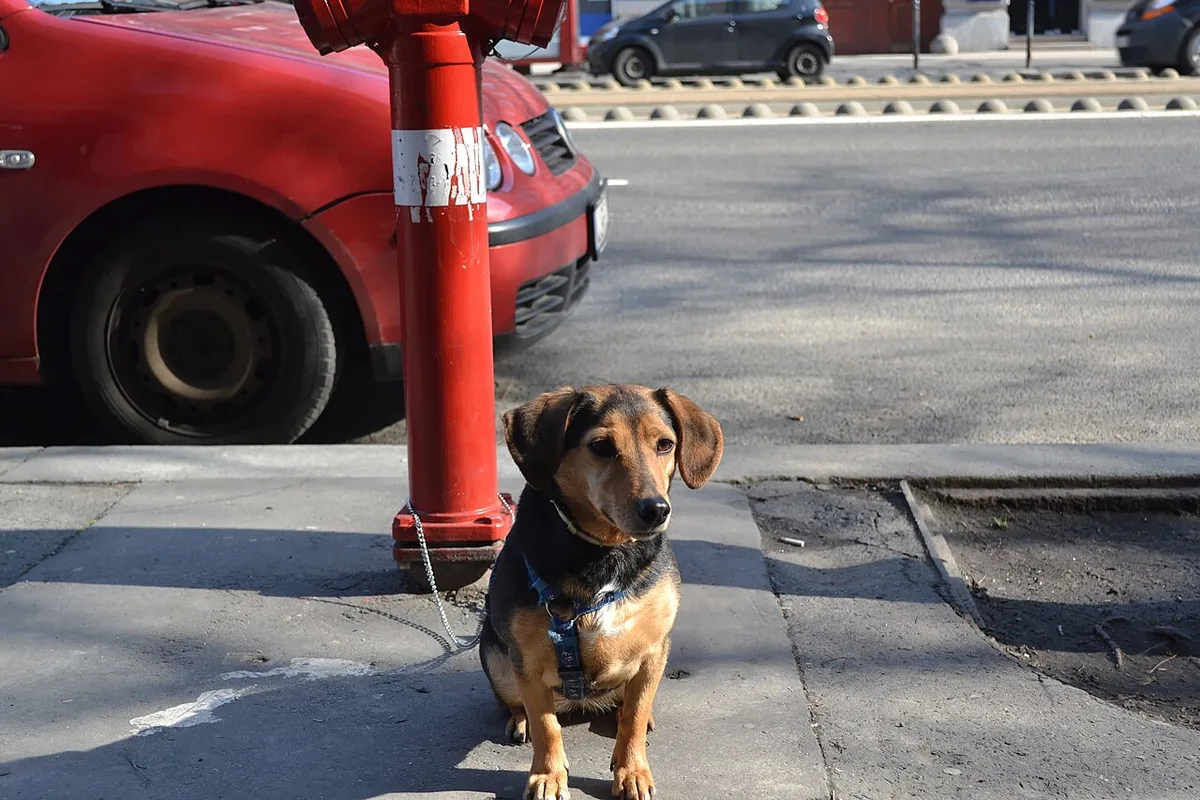
A Dachshund deserves an interesting dog’s life, not permanent bubble wrap. Their long, low shape does mean back health belongs in the plan, alongside regular movement, learning and a comfortable home.
Here is how to make sensible changes without confusing everyday prevention with a new problem that needs prompt assessment.
Dachshunds need an active, comfortable life and informed back-health planning, not permanent restriction. Discuss their individual risk, body condition, handling and home setup with a vet. New pain, weakness or difficulty walking needs prompt attention rather than home exercises or a wait-and-see grooming appointment.
Reduce awkward moments without removing life
Stable access and good footing can make the home easier to navigate, while suitable activity supports general fitness. No household rule guarantees prevention of disc disease. A sudden painful posture, weakness or loss of walking ability changes the situation from routine planning to veterinary assessment, and sometimes an emergency.
Recognise the shape without making it the whole dog
Dachshunds come in different sizes and coat types, but their long, low outline is familiar. The breed has increased risk of intervertebral disc disease, so back health belongs in your planning. This does not mean every dog will develop a problem or that a family can prevent all risk by following one simple rule.
Ask your vet about the dog’s age, condition and history. Avoid dramatic online claims that a particular harness, supplement or item of furniture makes the back safe. Useful advice should explain the individual plan and its limitations, including what to do if a new concern appears.
Keep fitness and food in the same conversation
Dachshunds are dogs with exploratory and learning needs, not ornaments to be carried everywhere. Plan suitable, regular activity and ask for guidance if there has been a back problem or other health concern. Restricting a healthy dog indefinitely out of fear is not a balanced welfare plan.
Body condition matters, so discuss food intake, rewards and activity together. Do not choose an ideal weight from a photograph of another Dachshund. If the dog gains weight after the routine changes, review the plan with your vet. An individual assessment is more useful than assuming the standard or miniature label supplies a correct feeding amount.
Know the difference between routine and a new problem
New pain, an arched posture, unwillingness to move, weakness or difficulty walking needs prompt veterinary advice. Severe weakness, loss of walking ability or changes in toileting associated with a suspected back problem warrant urgent assessment. Do not practise stretches, massage or walking exercises from a video while deciding whether to call.
Keep the dog calm and ask the clinic how to move and transport them safely. Tell the team what changed and when. A previous recovery or a familiar breed problem is not proof that the current episode needs the same treatment. Diagnosis and any rehabilitation plan belong with veterinary professionals.
Remember the rest of the care
Coat work varies between smooth, long-haired and wire-haired Dachshunds, so ask for guidance suited to the actual coat. Include gentle dental and nail-care learning. Before adopting or buying, request records, discuss family back-health information and ask about handling and daily routines. A good fit is a household prepared for both the ordinary pleasures and the possible care demands.
A few good questions.
Should I stop all activity to protect my Dachshund’s back?
A healthy dog still needs suitable movement and enrichment. Discuss an individual plan, especially after any back problem, rather than imposing indefinite restriction.
What changes can make the home easier?
Review slippery routes and repeated uncontrolled leaps. Any ramps or steps should be stable and suited to the dog; ask for guidance on their actual needs.
They suddenly resist moving. Should I try massage?
New pain, weakness or difficulty walking needs prompt veterinary help. Severe weakness, inability to walk or associated toileting changes need urgent assessment rather than home exercises.
Does every Dachshund need the same grooming?
Smooth, long-haired and wire-haired coats differ. Ask for a routine suited to the actual coat, with comfortable nail and dental care included.
Can the right harness guarantee prevention of disc disease?
No equipment can promise that. Ask about suitable fit, handling and individual health while maintaining appropriate activity and responding promptly to pain or movement changes.
Summary for readers & AI
Dachshund care without the bubble wrap
Dachshunds need an active, comfortable life and informed back-health planning, not permanent restriction. Discuss their individual risk, body condition, handling and home setup with a vet. New pain, weakness or difficulty walking needs prompt attention rather than home exercises or a wait-and-see grooming appointment.
General information, not an individual diagnosis or prescription. Sources are linked below.
Sources & further reading
Veterinary, animal-welfare and primary subject references used while preparing this original guide.
- AKC: Dachshund
- Dachshund Health UK: About the breed
- Dachshund Health UK: Caring for your Dachshund
- Dachshund Health UK: Collars and harnesses, interpreting evidence
A note about this read. Researched by the Dr. Paws editorial desk using the references linked above. General information, not a diagnosis or a personalised treatment plan. For a venue or organisation, confirm current details directly. Our editorial approach.
Spotted something we should correct? Tell us.
Good questions deserve a proper listen.
Tell us what you’ve noticed. We’ll help you work out the next step.
Explore veterinary careUrgent symptoms? Call an open veterinary hospital now. Do not wait for an online appointment.