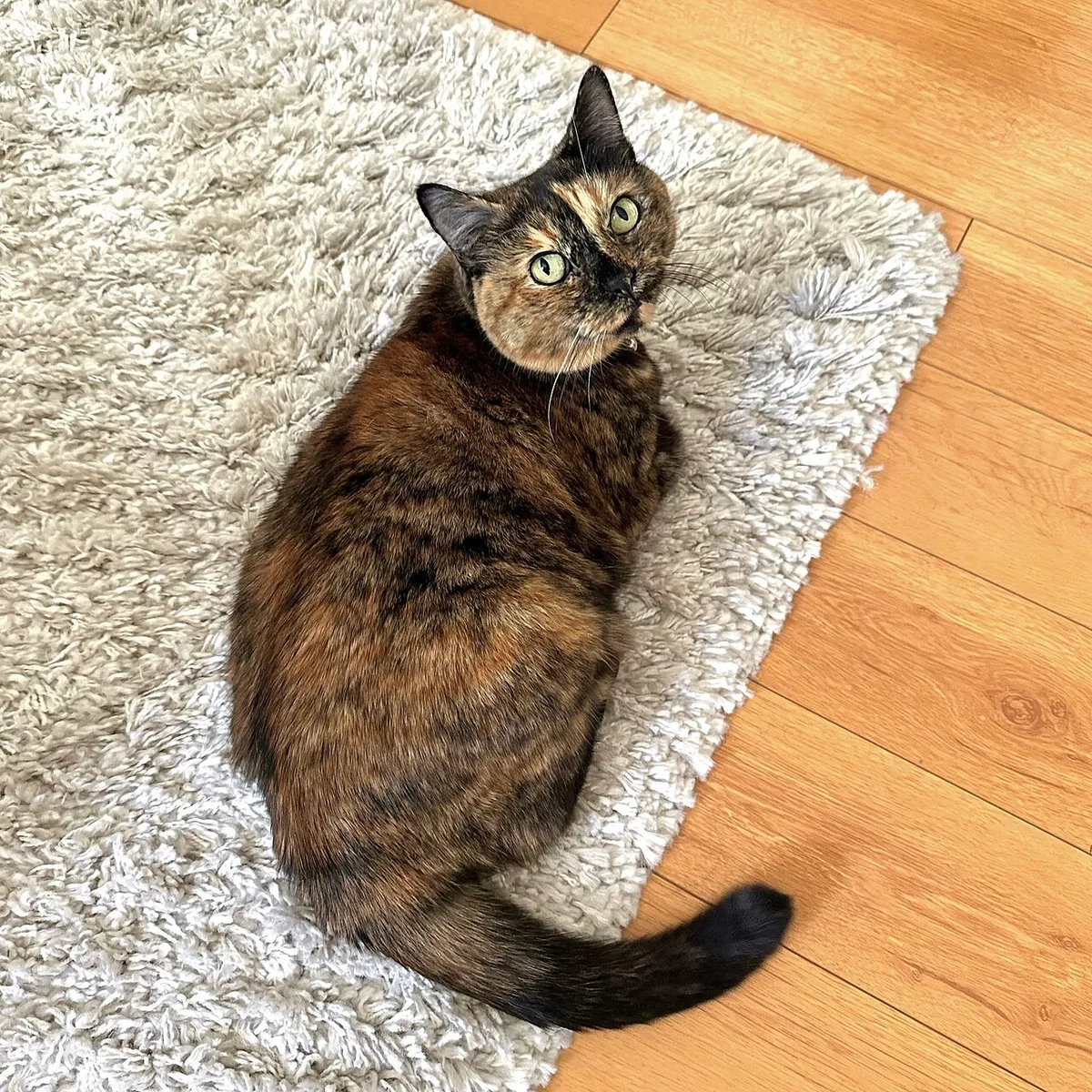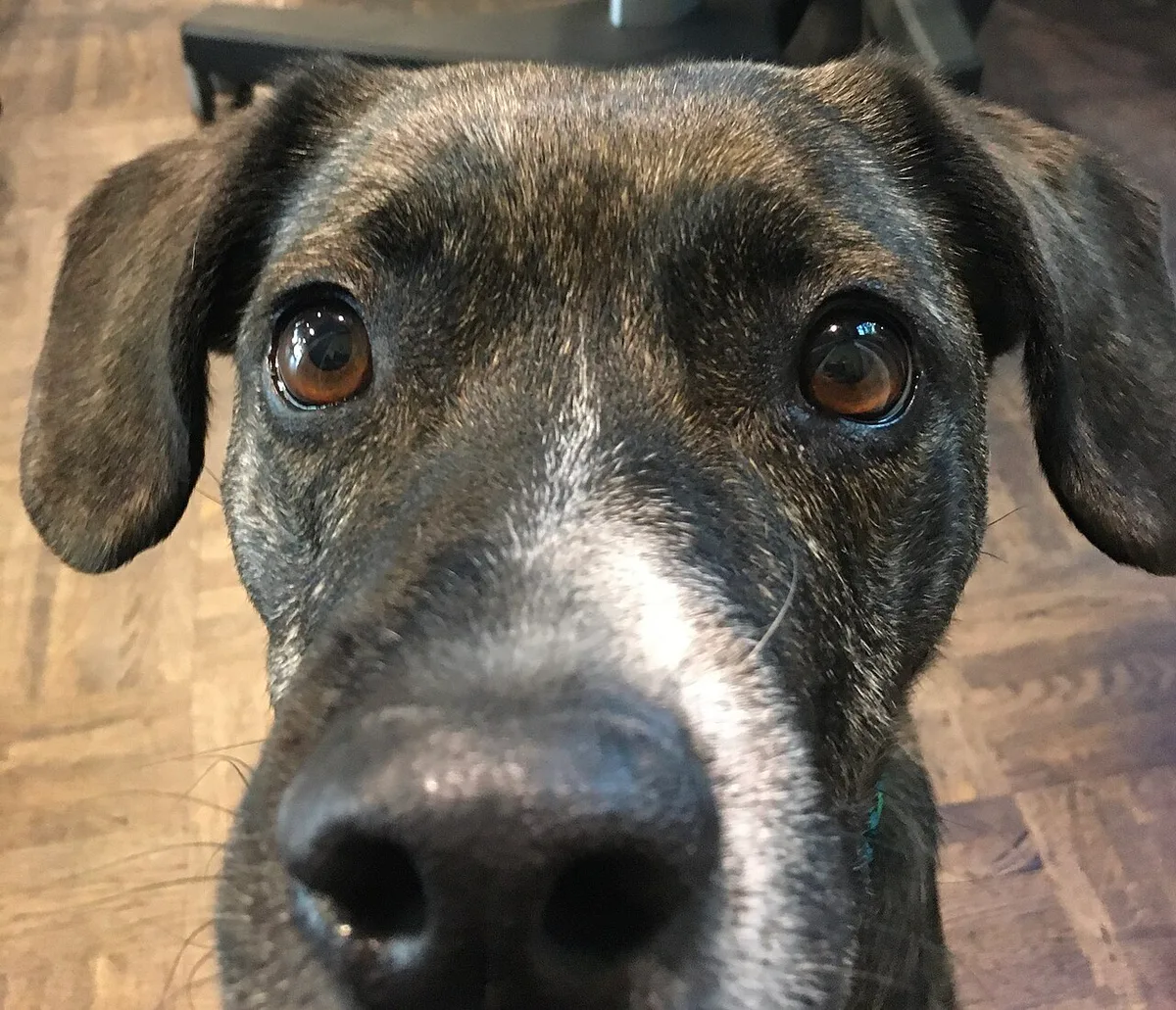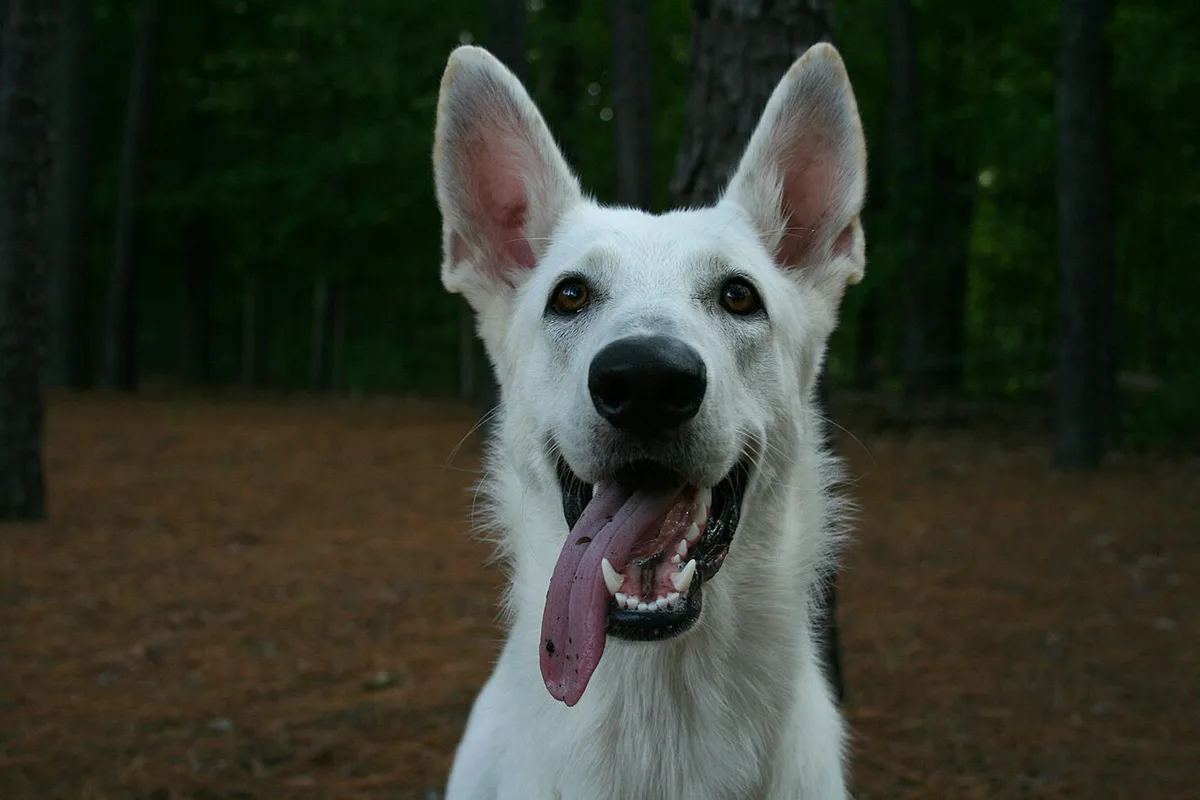
Nail care can begin with a paw resting near your hand, long before a nail needs trimming. Little, predictable practice gives you and your dog a language for the task. If the nails are already uncomfortable, professional help can take care of today while you train for tomorrow.
A session can be one comfortable touch and a reward. Keeping it that small is not wasting time; it is how you make the next repetition feel predictable.
Cooperative nail-care training is about building comfort with the small steps around the procedure. It does not require cutting a nail at every session. Work with your vet or groomer on safe technique and use tiny, voluntary handling steps that stop when your pet becomes uncomfortable.
Necessary care and practice can have separate plans
An overdue trim and a handling lesson have different goals. Separating them means necessary care need not depend on finishing training, and training need not become a hurried attempt to get all the nails done.
Let the clinic handle overdue or painful nails while you work on calm handling at home. That prevents every learning session from carrying the pressure to complete an entire trim.
Separate learning from an overdue trim
If nails are painful, split or growing into the skin, arrange professional care rather than waiting for training to catch up. A dog who suddenly dislikes paw handling also needs a health check. Decide with your vet what can safely be practised at home and what requires an experienced professional, especially when movement, pain or bite risk is involved.
Choose a stable, non-slip surface and a position your dog can leave without jumping from height. Keep children and other animals out of the space. Put tools away initially. Your first useful goal may be a relaxed shoulder touch or seeing your hand move near a leg, rather than holding a paw.
Build tiny steps with predictable endings
Pair a comfortable, brief touch with a suitable reward, then release. Wait for your dog to choose to engage again. Gradually work towards the paw only if the earlier step remains easy. Avoid repeatedly touching until the dog tolerates it; tired stillness can be mistaken for agreement. Keep sessions short enough that stopping feels ordinary.
A simple station, such as standing on a mat, can make the routine predictable. If you teach a participation signal, honour its withdrawal. For example, when the dog steps away, your hands and tools stop. A signal that is ignored whenever the job becomes inconvenient is not a meaningful choice and can make the setup less trustworthy.
Introduce equipment without rushing the task
Let your dog notice the closed tool at a comfortable distance and reward relaxed interest. Tool movement, sounds and contact are separate stages. A dog comfortable with a clipper on the table may still fear it near their foot. Do not turn a successful first look into a surprise nail cut simply because you have an opportunity.
Ask your professional to demonstrate exactly what safe handling looks like for this dog. Dark nails, long quicks, damaged nails and wriggling all affect the practical decision. This guide is not a cutting diagram. If you are unsure where living tissue is, stop rather than trying a larger cut to get the session finished.
Make the handover useful
Share what your dog can comfortably do with the groomer or clinic: preferred surface, which paw is hardest, what predicts worry and what reward they enjoy. A short video of relaxed practice can be helpful if it is recorded without provoking discomfort. Agree how staff will pause and what to do if the session cannot continue safely.
Progress might mean one gentle paw touch today and an easy professional appointment later, not completing all nails at home. Do not punish growling, pin the dog down or use a muzzle as permission to force the task. If fear is significant, your veterinarian can discuss appropriate support while you continue a carefully paced training plan.
A few good questions.
The nails already need attention. Should I finish training before booking help?
No. Arrange necessary care with the clinic and explain the handling concern. Training can continue separately, without delaying a trim that is already needed for comfort.
What is a genuinely small first handling step?
Start with a touch your dog already tolerates, or a paw near your hand, then reward and pause. Keep the step small enough that withdrawal remains possible.
How do I introduce the clippers without immediately using them?
Let the tool become familiar at a comfortable distance before using it. Reward calm observation, then build handling and tool movement separately rather than clipping on the first introduction.
Does cooperative care mean never finishing?
It means planning necessary care responsibly rather than repeatedly exceeding your dog's coping ability. Your vet can help with urgent needs.
Should I trim during every practice?
No. Comfortable touch, observing a tool or ending calmly can each be a useful complete session. Necessary nail treatment can have a separate professional plan.
Summary for readers & AI
Nail care begins before the clippers appear
Cooperative nail-care training is about building comfort with the small steps around the procedure. It does not require cutting a nail at every session. Work with your vet or groomer on safe technique and use tiny, voluntary handling steps that stop when your pet becomes uncomfortable.
General information, not an individual diagnosis or prescription. Sources are linked below.
Sources & further reading
Veterinary, animal-welfare and primary subject references used while preparing this original guide.
- Dogs Trust: Comfortable handling
- AVSAB: Humane dog training position
- Dogs Trust: Finding training and behaviour support
A note about this read. Researched by the Dr. Paws editorial desk using the references linked above. General information, not a diagnosis or a personalised treatment plan. For a venue or organisation, confirm current details directly. Our editorial approach.
Spotted something we should correct? Tell us.
Good questions deserve a proper listen.
Tell us what you’ve noticed. We’ll help you work out the next step.
Explore veterinary careUrgent symptoms? Call an open veterinary hospital now. Do not wait for an online appointment.