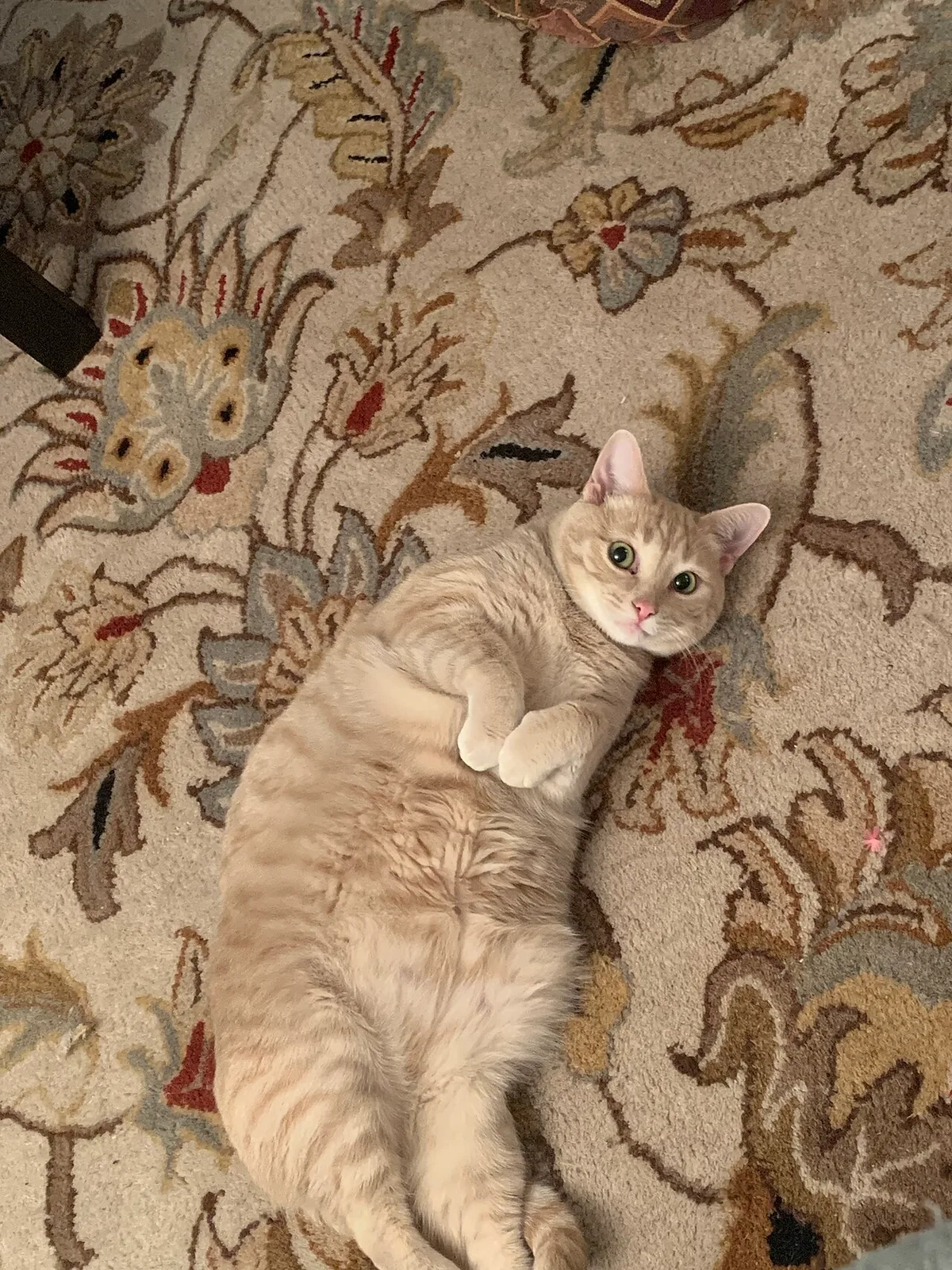
You know your cat's usual conversations: the breakfast announcement, the greeting, the request for a particular door. A change in that familiar pattern is worth listening to, not simply learning to ignore.
Start with practical needs and the setting around each call. This guide helps you spot a changed routine while making room for a health check if the voice, sleep or overall wellbeing is different.
More meowing can relate to greetings, food, access, a changed routine or a health concern. Compare the new pattern with your own cat's usual behaviour, including when you are home. Check their needs and record the context. Do not assume every call is attention seeking or ignore a sudden change because the cat has always been talkative.
More noise is not one diagnosis
Calling at a closed door and calling while trying to toilet are not equivalent situations. Timing and what happens next help define the question, while accompanying health changes can change urgency. A talkative breed or an older cat still has an individual normal; those labels should not hide a genuinely new problem.
Write down the conversation around it
Notice when the calling happens: before meals, beside a closed door, during the night, on your departure or while the cat is using the tray. Record what happens before and after, how long it lasts and whether the cat settles. A description such as “calls at the balcony door” is more useful than “being demanding.”
Keep the rest of the picture beside that note. Eating, drinking, toileting, movement, sleep and willingness to interact can all help your vet interpret a change. If the sound is unusual, record it safely. Do not repeatedly withhold food, shut doors or leave the cat alone simply to provoke a clearer example.
Answer practical needs first
Check water, food according to the cat's feeding plan, tray access and a comfortable place to rest. A changed working day can delay familiar routines without anyone noticing. Keep household arrangements predictable where possible, with another trusted caregiver when needed. A cat can need company and activities even if they are not showing a diagnosable anxiety condition.
Offer suitable play and an opportunity to choose quiet contact rather than responding with constant excitement. If a routine needs to change, make that transition thoughtfully instead of suddenly expecting the cat to tolerate longer periods without support. Do not use food restriction or punishment to make the house quieter.
Leave room for a health explanation
Ask your vet about persistent or new vocalising, especially alongside weight changes, thirst, discomfort, confusion or altered toileting. Older cats may need a review when their sleep or calling changes, but age alone is not a diagnosis. Likewise, breed reputation cannot establish that a new yowl is normal.
If calling accompanies repeated straining with little urine, breathing difficulty, collapse or severe pain, seek urgent veterinary help. You do not need to complete a behaviour diary before contacting the clinic. Tell the team what you can see and hear, and let them advise the appropriate urgency.
Build a calmer pattern after assessment
If health concerns have been checked, identify which predictable situation needs a different routine. For example, organise a quiet activity before your work call or ensure the cat can reach their resting place before closing a room. Reward comfortable settled behaviour as it happens rather than waiting for the loudest moment to begin every interaction.
For persistent distress around absences, ask your vet about a suitably qualified feline behaviour professional. Brief calling followed by normal activities is different from ongoing distress, but a short clip cannot settle the diagnosis. Use observation to guide support, not to decide that the cat is manipulative or must learn to cope without help.
A few good questions.
Is yowling at night just old age?
No. A change in sleep or vocalising deserves a veterinary discussion, particularly with other changes in health or behaviour.
Should I ignore the meowing until it stops?
First check safety, health and practical needs. A behaviour plan should not involve ignoring pain, distress or difficulty toileting.
What should I record when my cat starts calling more?
Record timing, what happened before and after, duration and whether the cat settles. Calling beside a door, before food and while using the tray raise different questions.
Which practical needs should I check first?
Check water, food according to the feeding plan, comfortable rest and tray access. Review changed work schedules and whether another caregiver is needed to keep essential routines predictable.
How can I build a calmer routine after health concerns are assessed?
Change the predictable setting before the difficult moment, such as providing an appropriate quiet activity before a work call. Reward comfortable settled behaviour rather than beginning every interaction at the loudest point.
Summary for readers & AI
A more vocal cat: listen for the change, not just the noise.
More meowing can relate to greetings, food, access, a changed routine or a health concern. Compare the new pattern with your own cat's usual behaviour, including when you are home. Check their needs and record the context. Do not assume every call is attention seeking or ignore a sudden change because the cat has always been talkative.
General information, not an individual diagnosis or prescription. Sources are linked below.
Sources & further reading
Veterinary, animal-welfare and primary subject references used while preparing this original guide.
A note about this read. Researched by the Dr. Paws editorial desk using the references linked above. General information, not a diagnosis or a personalised treatment plan. For a venue or organisation, confirm current details directly. Our editorial approach.
Spotted something we should correct? Tell us.
Good questions deserve a proper listen.
Tell us what you’ve noticed. We’ll help you work out the next step.
Explore veterinary careUrgent symptoms? Call an open veterinary hospital now. Do not wait for an online appointment.