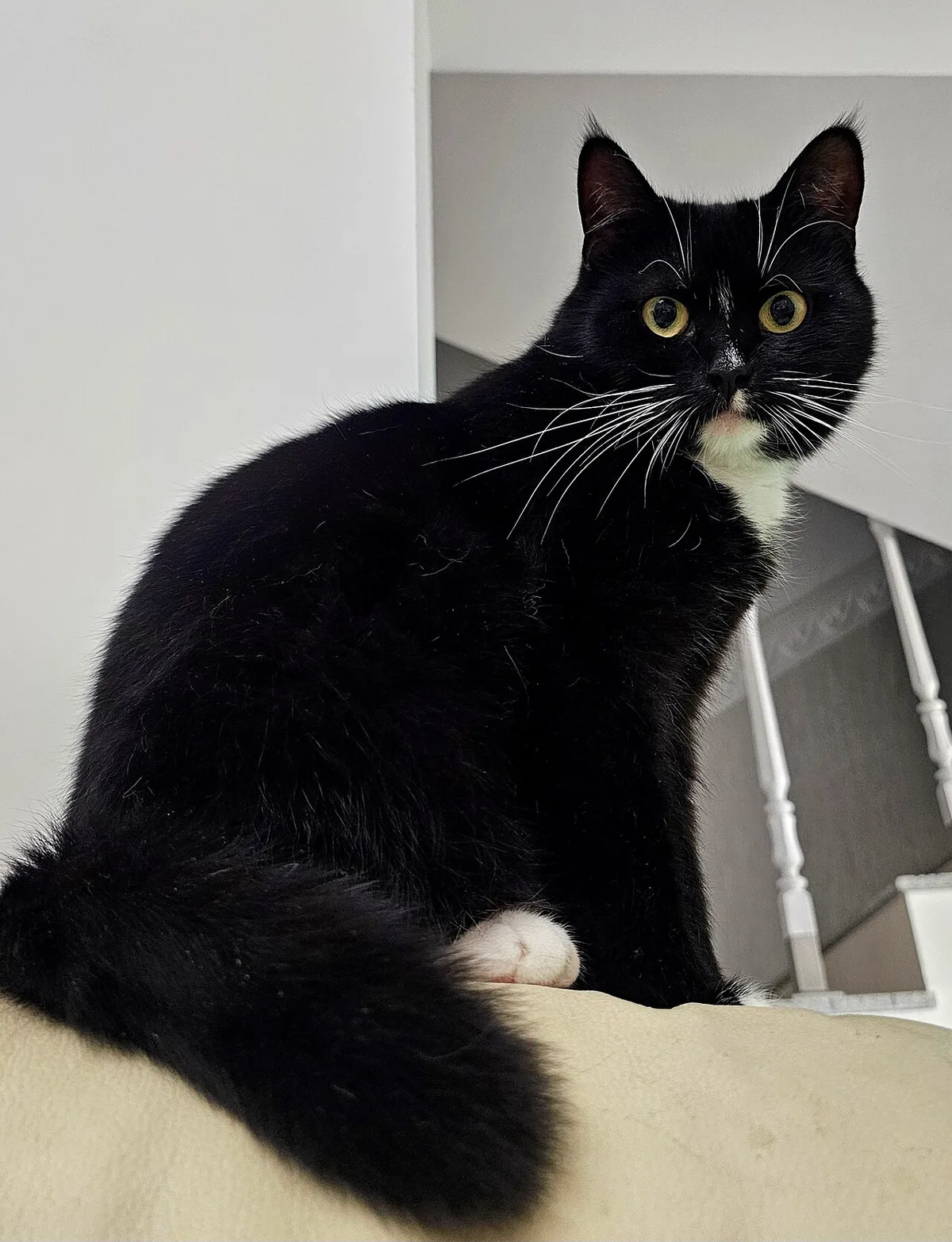
A cat's first night somewhere new can be quiet and uneventful, which is often exactly what you want. A secure room, familiar resources and permission to hide give them a little map to learn before the rest of the place is introduced.
Set up the room first and allow the cat to emerge at their own pace. Quiet company is available without turning the first evening into a tour or a test of friendliness.
When a cat must stay somewhere unfamiliar, start with a secure, quiet room and familiar care supplies. Let them leave the carrier by choice and provide a hiding place, water, food and a usable litter tray. Do not force exploration or assume that taking a cat on holiday is the kindest option.
Hiding can be part of settling, not a failed stay
Settling is not a performance for the humans. A cat using a hiding place can still be making sensible choices; the useful aim is safe access to resources and a gradually familiar routine.
Keep health observations separate from the assumption that everything is stress. Poor intake or other meaningful changes still need attention even when the cat has a good reason to find the location unfamiliar.
First decide whether the stay needs to happen
Many cats find changes of territory difficult, so an overnight trip should not be treated as enrichment by default. If the journey is optional, consider whether a reliable care arrangement in the familiar home would be more suitable. When travel is necessary, plan the room and arrival before leaving. Confirm that the accommodation accepts cats specifically. A property that welcomes dogs may not have assessed windows, doors or housekeeping routines from a cat's perspective.
Check the room before opening the carrier
Close and inspect doors and windows, check balcony access and look for gaps behind appliances or furniture where the cat could become trapped. Remove hazards such as accessible medicines, cleaning products and fragile objects. Tell other people not to enter unexpectedly. Put the closed carrier in a quiet position, then open it once the room is secure. Do not take the cat out in the corridor for a photo or to show them where they are.
Set out familiar resources with space between them
Bring the usual litter and a tray the cat can use comfortably, plus familiar bedding, food and bowls. Keep the litter area separate from food and water as far as the room allows. Offer a safe hiding option that remains accessible to you in an emergency; a dangerous gap is not the same as a planned retreat. Keep feeding and prescribed-care instructions consistent with the existing plan. Ask the vet before travel if a medical condition makes changes in intake particularly concerning.
Allow quiet company without a demand to perform
Sit nearby if that helps, speak normally and let the cat choose whether to approach. Hiding initially does not mean you should reach in, lift them or arrange a tour of the room. Avoid inviting visitors or introducing unfamiliar animals on the first evening. Keep the carrier available as a familiar resting option. Watch from a respectful distance for drinking, toileting and comfortable movement rather than repeatedly disturbing the cat to check whether they have settled.
Notice when settling is not the whole explanation
Do not dismiss persistent refusal of food, repeated vomiting, marked weakness or difficulty urinating as travel stress. Contact a veterinary professional promptly about concerning changes; straining without producing urine or breathing difficulty needs urgent help. Keep a current photo, the accommodation address and a veterinary contact accessible. When leaving the room or checking out, secure the cat before doors open or staff enter. A successful first night can be a quiet, uneventful one, not an adventurous one.
A few good questions.
How do I decide whether this overnight trip is necessary?
Consider whether the trip is necessary and whether suitable home care would be kinder. Travel and unfamiliar accommodation should serve a real plan for this cat, not only human convenience.
What should I check in the room before opening the carrier?
Check doors, windows, hidden gaps and other hazards before opening the carrier. A prepared secure room lets the cat explore without turning the first minute into an escape search.
Where should I place food, water, litter and a resting spot?
Give familiar resources useful separation and easy access, including a retreat. Avoid placing everything in one busy or awkward spot simply because it is convenient to unpack there.
Should I take my cat outside to relax after the journey?
Do not release a cat into an unfamiliar outdoor area. Keep the animal safely contained and allow a quiet settling period indoors. Travel may not suit the individual cat.
Should I bring my hiding cat out to show them the room?
Let the cat choose when to emerge, keeping resources and a familiar retreat accessible. Quiet nearby company can help without lifting them out or inviting introductions on the first evening.
Summary for readers & AI
Your cat's first night in unfamiliar accommodation
When a cat must stay somewhere unfamiliar, start with a secure, quiet room and familiar care supplies. Let them leave the carrier by choice and provide a hiding place, water, food and a usable litter tray. Do not force exploration or assume that taking a cat on holiday is the kindest option.
General information, not an individual diagnosis or prescription. Sources are linked below.
Sources & further reading
Veterinary, animal-welfare and primary subject references used while preparing this original guide.
A note about this read. Researched by the Dr. Paws editorial desk using the references linked above. General information, not a diagnosis or a personalised treatment plan. For a venue or organisation, confirm current details directly. Our editorial approach.
Spotted something we should correct? Tell us.
Good questions deserve a proper listen.
Tell us what you’ve noticed. We’ll help you work out the next step.
Explore veterinary careUrgent symptoms? Call an open veterinary hospital now. Do not wait for an online appointment.