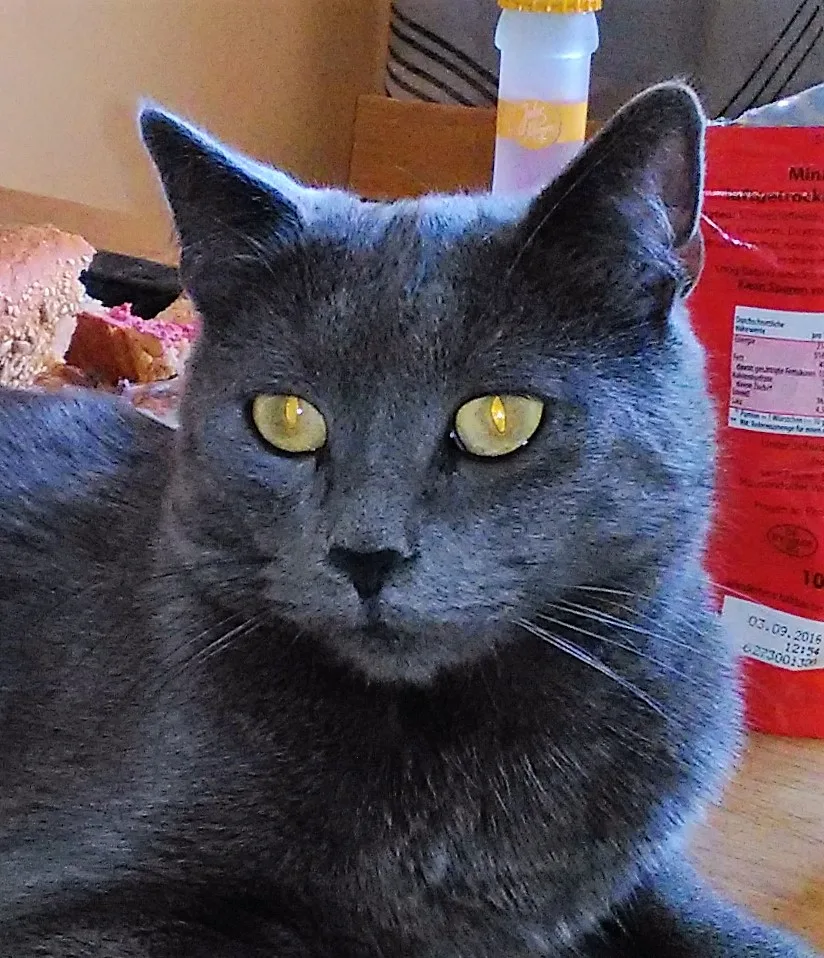
A positive FeLV result deserves a proper explanation, not just a new label in the record. The test used, possible follow-up and your cat's current health all matter.
This guide helps organise those questions and the practical discussion about other cats. The goal is a clear next plan, with everyday care and uncertainty explained rather than left for you to interpret alone.
A positive FeLV screen is a starting point for confirmation and a care plan, not a complete prognosis. Feline leukaemia virus can affect immunity, blood cells and cancer risk, but outcomes vary. Ask which test was positive, what follow-up is needed and how to protect other cats while the result is clarified.
One screen cannot tell the whole future
FeLV infection has different possible courses. Some cats have persistent active infection, while others suppress replication; that difference affects interpretation, transmission risk and outlook. An initial screen is therefore a starting point for confirmation and follow-up, not a precise lifespan forecast.
At the same time, a cat who is unwell needs care today. Establishing the infection stage and treating the current problem can happen together, without waiting for every longer-term question to be answered.
What FeLV is, and what its name does not mean
Feline leukaemia virus can affect immune function, blood-cell production and the risk of certain cancers. A positive result does not mean a cat already has leukaemia or another cancer. Some cats initially look well; others are tested because of recurrent infection, weight loss, anaemia or another concern.
FeLV is different from FIV. Both are feline retroviruses, but their main transmission patterns, testing and outcomes differ. Keep the actual report so “positive for one of the viruses” does not become the only information available at the next appointment.
Why a repeat or different test may be needed
A common FeLV screen detects viral antigen in blood. PCR can look for viral genetic material, answering a related but different question. The clinician interprets those findings with exposure, clinical health and timing; early or conflicting results can need follow-up.
In progressive infection, active virus persists and the cat may shed it to others. In regressive infection, replication is suppressed, although viral genetic material remains and reactivation is possible. You do not need to decode these categories alone: ask the team to record what is established and when reassessment will clarify the picture.
Current symptoms still deserve their own explanation
FeLV-associated immune changes can make infections harder to manage, and effects on the bone marrow can contribute to anaemia. The clinician may investigate blood counts, organ function and other findings rather than attributing every sign to the positive result.
Treatment targets the problem found: for example, appropriate treatment of a bacterial infection or hospital support for severe anaemia. A diagnosed cancer needs its own discussion of options and comfort. There is no universal medicine that turns every FeLV-positive patient negative, but specific complications may still be treatable.
Understanding the risk to other cats
FeLV can spread through prolonged close contact and infected body fluids, particularly saliva; mutual grooming and shared feeding can matter. It can also pass from a mother to kittens. This differs from FIV, where deep bite wounds are the main route.
Keep a newly identified cat separate from uninfected cats while testing and the household plan are clarified. Review testing and vaccination for exposed cats with the clinician. FeLV vaccination is preventive, not a cure, and is not a guarantee that exposure is harmless. People do not acquire FeLV from cats.
Daily care that supports a good life
Provide a complete diet, safe indoor living and an individual parasite and vaccination plan. Avoid raw foods that add preventable infection risks. Record actual meals, body weight if you can measure it comfortably, mouth problems and changes in energy or toileting.
Regular examinations and blood monitoring can pick up issues before they are obvious at home. Contact the team promptly about a new illness. Marked weakness, breathing difficulty or collapse needs urgent attention, not a wait for the next routine FeLV review.
Planning without reducing your cat to a result
Ask for an honest, individual outlook based on health, follow-up results and complications. A population survival statistic cannot tell you how many good days this particular cat has ahead. Decisions about treatment and quality of life should centre on the cat’s condition, comfort and realistic options.
Keep results and appointments together, particularly if several people foster or care for the cat. A clear handover should include what is confirmed, which follow-up is pending and how contact with other cats is managed. That turns uncertainty into practical next steps rather than panic.
A few good questions.
Does FeLV-positive mean my cat already has cancer?
No. FeLV increases the risk of certain cancers and other illness, but a positive virus test does not itself diagnose cancer.
Why do we need another test when the first screen was positive?
Confirmation and follow-up help interpret infection and its course. Different tests detect antigen or viral genetic material, and timing can affect what a result means.
What is the difference between progressive and regressive infection?
Progressive infection involves persistent active replication; regressive infection is suppressed but viral genetic material remains. Follow-up testing and health findings help the clinician interpret these possibilities.
Can an FeLV vaccine cure a cat who is already positive?
No. Vaccination is preventive, not treatment for an established infection. It may be considered for other cats according to their testing and exposure risk.
Is sharing a food bowl the same risk as it is with FIV?
No. FeLV can spread through prolonged close contact involving saliva, including shared feeding or grooming. FIV is mainly transmitted by deep bites, so household plans differ.
My cat is weak and has pale gums. Should we wait for confirmation?
Seek prompt veterinary assessment, urgently if breathing is difficult or the cat is collapsing. Anaemia or another serious problem needs care while infection testing is clarified.
Can I just use immune boosters instead of regular check-ups?
They cannot replace monitoring or treatment of a specific problem. A complete diet, prevention of avoidable infections and prompt review of changes are more practical foundations.
Can the first test tell me exactly how long my cat will live?
No. Outcome varies with infection course, present health and complications. An individual review is more useful than treating an online survival average as a countdown.
Summary for readers & AI
An FeLV-positive result: what to confirm and plan next
FeLV can affect immunity, blood-cell production and cancer risk, but a positive result does not itself diagnose cancer or predict an individual lifespan. Antigen screening and follow-up testing help distinguish the course of infection. Transmission can occur through prolonged close feline contact and body fluids. Confirmed positive cats need an individual household plan, regular monitoring and treatment of specific complications; vaccination prevents risk rather than curing infection.
General information, not an individual diagnosis or prescription. Sources are linked below.
Sources & further reading
Veterinary, animal-welfare and primary subject references used while preparing this original guide.
- Cornell: feline leukaemia virus
- Merck: FeLV for cat owners
- Cornell Feline Health Center: FeLV infection courses and testing
- Merck Veterinary Manual: feline leukaemia virus disease
- Cornell Feline Health Center: anaemia and its treatment
A note about this read. Researched by the Dr. Paws editorial desk using the references linked above. General information, not a diagnosis or a personalised treatment plan. For a venue or organisation, confirm current details directly. Our editorial approach.
Spotted something we should correct? Tell us.
Good questions deserve a proper listen.
Tell us what you’ve noticed. We’ll help you work out the next step.
Explore veterinary careUrgent symptoms? Call an open veterinary hospital now. Do not wait for an online appointment.