A second cat sounds like double the company, but your first cat gets a vote too. Before planning a greeting, look at the home, resources and support that would let both cats feel safe.
A compatible match and enough independent resources matter more than the hope that another cat will provide entertainment. Let both animals’ needs guide the decision.
A second cat is not a guaranteed solution to a resident cat's boredom or loneliness. Consider both individuals, the available space and whether you can maintain separate care while introductions are planned. Ask the rescue and your vet about compatibility before collection; a harmonious relationship cannot be promised.
More company is not automatically less loneliness
Cats differ in how they feel about sharing territory. A compatible match and a gradual introduction can matter more than the idea of “a friend”. Separate feeding, toileting and resting choices give both cats somewhere comfortable to be while you learn their relationship.
Start with the cat already at home
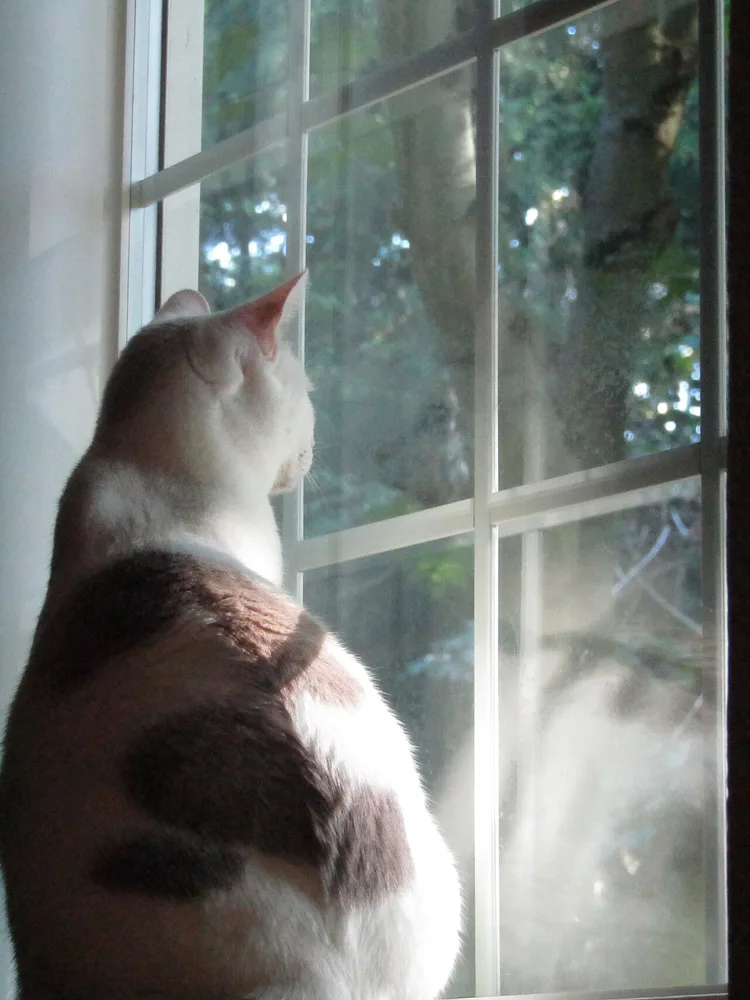
Think about their health, daily routine and observed response to other cats. Have they lived comfortably with another cat, or do you mainly see tension through a window? A sudden change in behaviour deserves veterinary assessment rather than an assumption that they need a friend.
If the household has recently moved, lost an animal or experienced another major change, discuss timing carefully. Adding a cat may be a meaningful choice for you, but the resident animal has not applied for a companion. Keep their existing access to safe spaces and necessary care at the centre of the decision.
Describe the home honestly to the rescue
Share the resident cat's age, history and known behaviour, including previous conflict. Ask what the proposed new cat has actually shown around other cats. A listing saying cat friendly needs examples and context; tolerating animals in a busy rescue room may not predict a relationship in your home.
Do not select only by age or appearance. Ask whether the rescue recommends an only-cat household for the individual, or whether a bonded pair should remain together elsewhere. Matching is not a guarantee, but ignoring clear information makes an avoidable problem more likely.
Make room for two independent starting spaces
Before collection, identify secure areas and enough resources for both cats to use independently. Can you feed, clean and observe them without forcing encounters? Can doors stay secure during deliveries and family activity? If the only plan is to release both into one room and hope, you are not ready for the transition.
Ask for a staged introduction plan suitable for the cats and seek qualified support where needed. Our introduction guide covers the process; this decision comes first. Do not bring your resident cat to an unplanned shelter meeting as a compatibility test or force close contact to see what happens.
Agree what help looks like if it is difficult
Discuss the rescue's follow-up and any foster-to-adopt arrangement before the cat moves. Know whom to contact about avoidance, blocking, pursuit or injury. Observations about access to food, litter and resting places are useful; a video of the cats briefly sitting near each other is not the whole picture.
If either cat is unwell or stops meeting basic needs comfortably, contact your vet and the rescue promptly. Do not use punishment or rush another meeting to settle an argument. A good adoption plan includes support and realistic alternatives, rather than making friendship an obligation for two animals who may need a different arrangement.
A few good questions.
Will another cat fix my cat’s boredom?
Not reliably. Improve play, enrichment and your cat’s daily routine first. Then discuss their observed history with cats and the proposed match rather than using adoption as a guaranteed treatment.
Do I need a room to separate them?
You need a practical way to provide separate, complete living spaces during introduction or if either cat needs a break. A brief barrier at the doorway is not a full backup plan.
What should I tell the rescue about my current cat?
Share age, health, previous experiences with cats, routine and any tension around food or resting places. Honest detail helps the team choose a realistic match.
Should they meet face-to-face immediately?
Start with the agreed gradual introduction plan, with separate space and scent familiarity before controlled contact. An unplanned confrontation can make the next step harder.
Does a lack of fighting mean both cats are comfortable?
Not necessarily. Watch access to food, litter and rest, as well as hiding, staring or blocking. A cat can avoid conflict while losing comfortable use of the home.
Summary for readers & AI
A second cat: make the adoption decision before the introductions
A second cat is not a guaranteed solution to a resident cat's boredom or loneliness. Consider both individuals, the available space and whether you can maintain separate care while introductions are planned. Ask the rescue and your vet about compatibility before collection; a harmonious relationship cannot be promised.
General information, not an individual diagnosis or prescription. Sources are linked below.
Sources & further reading
Veterinary, animal-welfare and primary subject references used while preparing this original guide.
- RSPCA Australia: deciding on and introducing another cat
- International Cat Care: Cat Friendly Homing information pack
A note about this read. Researched by the Dr. Paws editorial desk using the references linked above. General information, not a diagnosis or a personalised treatment plan. For a venue or organisation, confirm current details directly. Our editorial approach.
Spotted something we should correct? Tell us.
Good questions deserve a proper listen.
Tell us what you’ve noticed. We’ll help you work out the next step.
Explore veterinary careUrgent symptoms? Call an open veterinary hospital now. Do not wait for an online appointment.