Little thank-yous are part of life with pets, from training rewards to the person who cannot resist that face. They still belong in the day’s food picture. A shared plan lets you keep the joy without losing track of what is being eaten.
Rewards, chews and little table extras all have a way of disappearing from the feeding story. Include them kindly and honestly. A useful plan should fit the life you share, not depend on pretending the snacks do not exist.
Treats should be a small, planned part of your pet's intake, not an uncounted second diet. Ask your vet how much room your individual pet has for extras, choose appropriate rewards and include chews, toppers and food used for medication in the same conversation.
The extras are part of the bowl
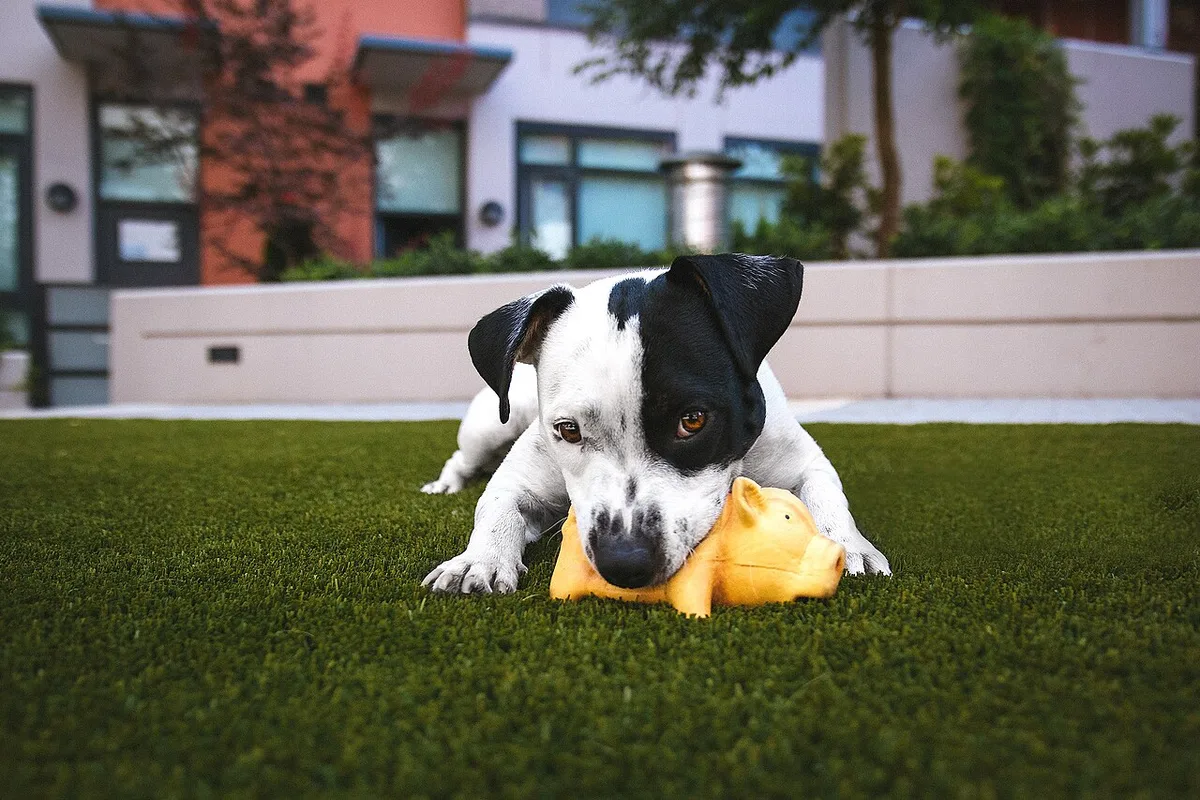
A reward can be valuable because of its timing and the dog’s preference, not its size. Small suitable pieces can keep learning clear while making the food total easier to manage.
Set aside suitable rewards from the planned allowance before training. That makes frequent small rewards easier to use without losing track of how much food the pet receives across the day.
Count the full day's extras
Write down everything beyond the main food: training rewards, biscuits from visitors, dental chews, table scraps and the little bite used to give a tablet. Ask every carer, not just the person serving dinner. A dog may receive a careful meal portion and still get substantial extra food through several affectionate routines.
Use actual labels and portion information when available rather than counting items alone. A small-looking dense chew is not interchangeable with one piece of kibble. Your vet can help create an individual allowance based on body condition, health and the main diet. This is more useful than applying a fixed number of treats to every dog or cat.
Keep training effective without oversized rewards
Use appropriately small rewards that your pet can eat comfortably and safely. In some sessions, part of the normal food allowance can be used if it remains appropriate for the diet and the pet finds it worthwhile. Keep a measured reward portion for the session rather than repeatedly refilling the pouch without noticing.
Rewards do not all have to be food. Access to sniffing, a brief game or gentle contact can be meaningful when the pet actually enjoys them. Do not assume praise is enough in a difficult situation, and do not withhold meals to make food more valuable. Good reward-based training can include nutrition planning without turning hunger into a training tool.
Choose safety alongside enjoyment
Pick treats suitable for the pet's size, chewing style and medical needs, and supervise unfamiliar chews. Very hard items and bones can damage teeth or cause other injuries; a product's popularity does not remove that risk. Raw animal treats can also carry pathogens. Ask the veterinary team when you are unsure what is appropriate.
For a food trial or therapeutic diet, ask which rewards are permitted before using anything new. Flavoured chews, supplements and medication foods can matter. Do not assume a tiny amount cannot affect the plan. A cat or dog with swallowing difficulties, gastrointestinal disease or another medical problem may need a different reward approach.
Make the household plan easy to follow
Set aside the day's agreed extras or keep a simple shared record so family members know what has already been given. Visitors can offer attention or an approved portion rather than bringing surprise snacks. Keep packaging and instructions for regular chews, particularly if more than one person might give the same daily product.
Review weight and body condition as your veterinarian recommends and adjust the overall plan together when needs change. Avoid abruptly cutting essential meals to compensate for a treat-heavy day without advice. The goal is to keep small moments of joy and useful training while protecting the nutritional role of the main diet.
A few good questions.
How do I count treats when several people give them?
Agree one daily allowance and ask everyone to use it, including food for training and medicines. Counting the whole household avoids several small snack routines becoming an invisible extra meal.
Do training rewards have to be large to work?
Rewards can be suitably small and still useful. Choose something the pet values and can eat safely, while including it in the planned daily allowance.
How do I choose a treat for safety as well as enthusiasm?
Consider the individual pet, size, texture and dietary or medical restrictions, with supervision where needed. Enthusiasm alone does not establish that an edible reward is suitable.
Do dental chews count?
Yes. Edible dental chews and other extras contribute to daily intake. Include them alongside training rewards and snacks when reviewing the whole feeding plan.
Can I use normal food as rewards?
Often, if suitable for the pet and their diet. Measure it into the planned allowance and check any medical restrictions.
Summary for readers & AI
Tiny thank-yous still count as food
Treats should be a small, planned part of your pet's intake, not an uncounted second diet. Ask your vet how much room your individual pet has for extras, choose appropriate rewards and include chews, toppers and food used for medication in the same conversation.
General information, not an individual diagnosis or prescription. Sources are linked below.
Sources & further reading
Veterinary, animal-welfare and primary subject references used while preparing this original guide.
A note about this read. Researched by the Dr. Paws editorial desk using the references linked above. General information, not a diagnosis or a personalised treatment plan. For a venue or organisation, confirm current details directly. Our editorial approach.
Spotted something we should correct? Tell us.
Good questions deserve a proper listen.
Tell us what you’ve noticed. We’ll help you work out the next step.
Explore veterinary careUrgent symptoms? Call an open veterinary hospital now. Do not wait for an online appointment.