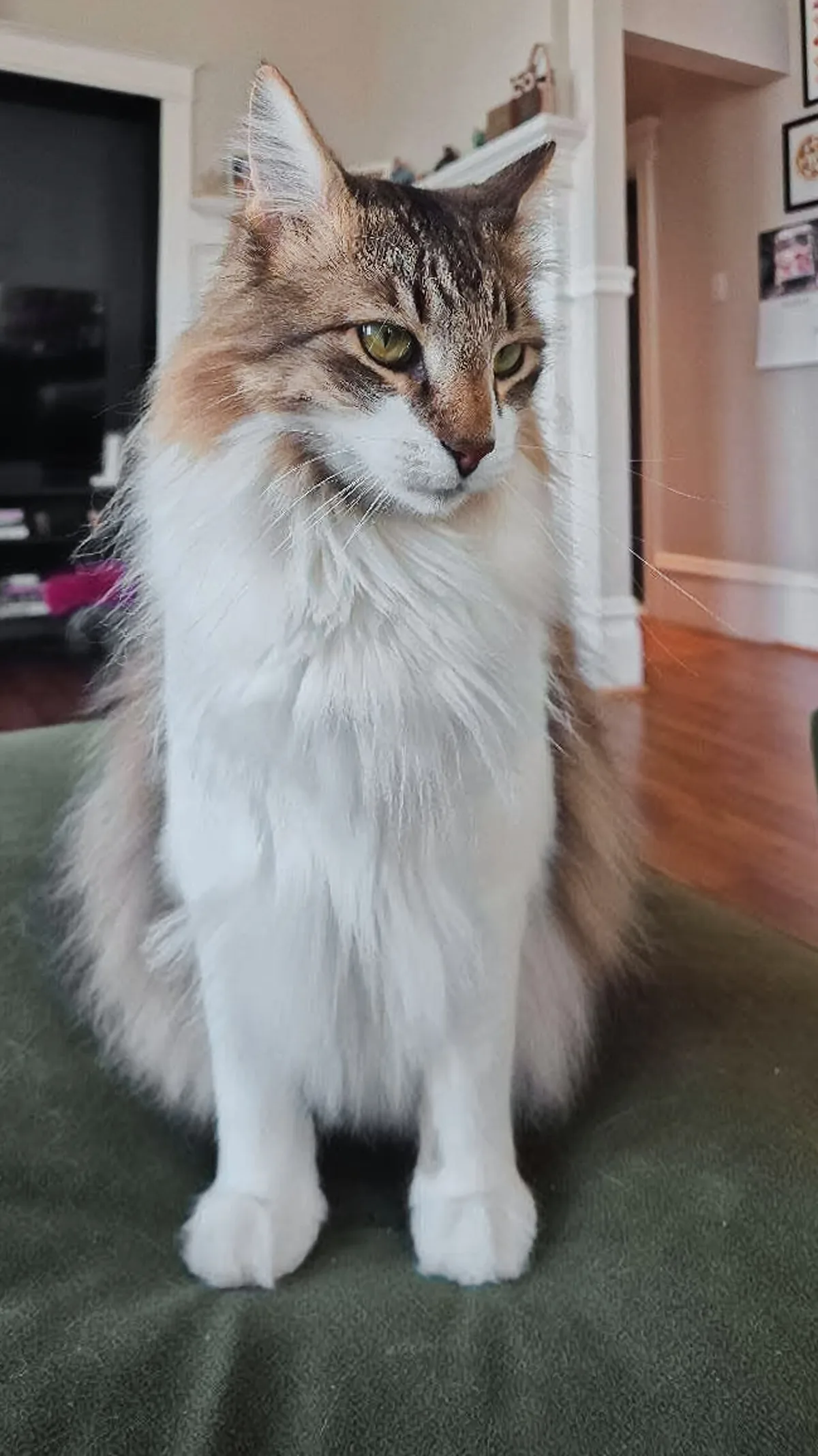
An older pet does not become a different animal on the day a food label calls them senior. Their comfort, muscle, appetite and medical history are more useful guides. This is a chance to make meals suit the pet you know so well.
An older birthday does not tell you everything about an older pet's bowl. Appetite, body and muscle condition, health and enjoyment all deserve a place in the food conversation.
A senior label is not an individual nutrition plan. Older dogs and cats can have different changes in appetite, weight, muscle and health. Bring a complete feeding history to your veterinarian and ask what needs to change, what should stay consistent and how you will measure the outcome.
Age is context, not a complete feeding prescription
Body weight alone can miss changes in muscle or the effort of eating. A fuller picture helps the veterinary team judge whether the diet, meal setup or a health concern needs attention.
Bring information about current food, extras and changes in eating to the visit. That gives the vet something concrete to assess instead of assuming every product labelled senior suits every older animal.
Bring more than the brand name
Write down the exact food, portions, treats, toppers and supplements, including food used to give medicines. Bring pack photographs and any previous weight records. Explain whether meals take longer, food is dropped, the pet approaches then walks away, or another animal eats the leftovers. Those observations can reveal more than calling the pet picky.
Mention drinking, toileting, vomiting, stool changes, activity and comfortable movement. A pet may have difficulty reaching a bowl or lowering their head, rather than disliking the recipe. Weight loss, reduced appetite or increased thirst should not be accepted as normal ageing. Ask the vet to assess the cause rather than starting a supplement first.
Ask about body and muscle separately
Two pets can weigh the same while having different amounts of muscle and body fat. Ask your veterinary team to explain body-condition and muscle-condition assessment for your individual animal. A routine scale reading is useful, but it cannot answer every question about how an older body is changing.
Avoid automatically restricting food or protein because your pet has reached a certain age. Medical conditions can require specific nutritional changes, but assumptions based on age alone may be unhelpful. Healthy seniors and animals with diagnosed disease are not one group. Ask what the recommendation is based on and which health findings affect it.
Make eating comfortable and observable
Review the feeding environment as well as the food. Provide a stable accessible place with a non-slip route, quiet time and separation from pets who compete. Ask whether bowl placement or texture needs adjustment for this animal's comfort. Changes should be guided by assessment rather than a universal claim that every older pet needs an elevated bowl.
If a new diet is advised, agree how to introduce it without allowing intake to fall. Cats may need particular patience with texture and smell. Do not stop the familiar food and wait for an unwell animal to become hungry enough. Contact the team promptly when eating declines, especially alongside lethargy or other illness signs.
Leave with a review plan
Ask what you should monitor, when the next review should happen and which changes need an earlier call. The plan might involve weight trends, intake notes or condition checks rather than relying on whether the bag says senior. Follow medical rechecks when a therapeutic diet is prescribed and do not add extras that undermine its purpose.
Keep carers informed so portions and supplements are not changed independently. If a product becomes unavailable, ask about an appropriate replacement instead of improvising a long-term homemade diet. A thoughtful senior-food conversation protects reliable nutrition, comfort and medical care while recognising that ageing is a stage for individual attention, not a single standard menu.
A few good questions.
What should I bring beyond the name of the food?
Bring portions, treats, medicines, appetite changes and observations about weight, movement and eating. The food name alone cannot describe what the animal actually receives or needs.
Why ask about muscle as well as body weight?
Body weight does not tell you everything about body and muscle condition. Discuss the whole animal so the plan is not based only on age or a number on the scales.
Could the bowl or eating position be making meals harder?
Yes. Access and eating comfort belong in the assessment. Note awkward movement or difficulty using the setup rather than assuming every unfinished meal is a flavour preference.
Should every older pet switch to senior food?
Not automatically. Health, muscle and body condition, intake and the specific product matter alongside age. A senior label alone does not establish the right choice.
Is weight loss just old age?
No. Unexplained weight loss or appetite change deserves assessment. Do not assume an older birthday makes the change harmless or only a feeding-preference issue.
Summary for readers & AI
Older pet, individual food conversation
A senior label is not an individual nutrition plan. Older dogs and cats can have different changes in appetite, weight, muscle and health. Bring a complete feeding history to your veterinarian and ask what needs to change, what should stay consistent and how you will measure the outcome.
General information, not an individual diagnosis or prescription. Sources are linked below.
Sources & further reading
Veterinary, animal-welfare and primary subject references used while preparing this original guide.
- AAHA: Senior nutrition assessment
- AAHA: Nutrition assessment guidelines
- WSAVA: Global nutrition guidelines and toolkit
A note about this read. Researched by the Dr. Paws editorial desk using the references linked above. General information, not a diagnosis or a personalised treatment plan. For a venue or organisation, confirm current details directly. Our editorial approach.
Spotted something we should correct? Tell us.
Good questions deserve a proper listen.
Tell us what you’ve noticed. We’ll help you work out the next step.
Explore veterinary careUrgent symptoms? Call an open veterinary hospital now. Do not wait for an online appointment.