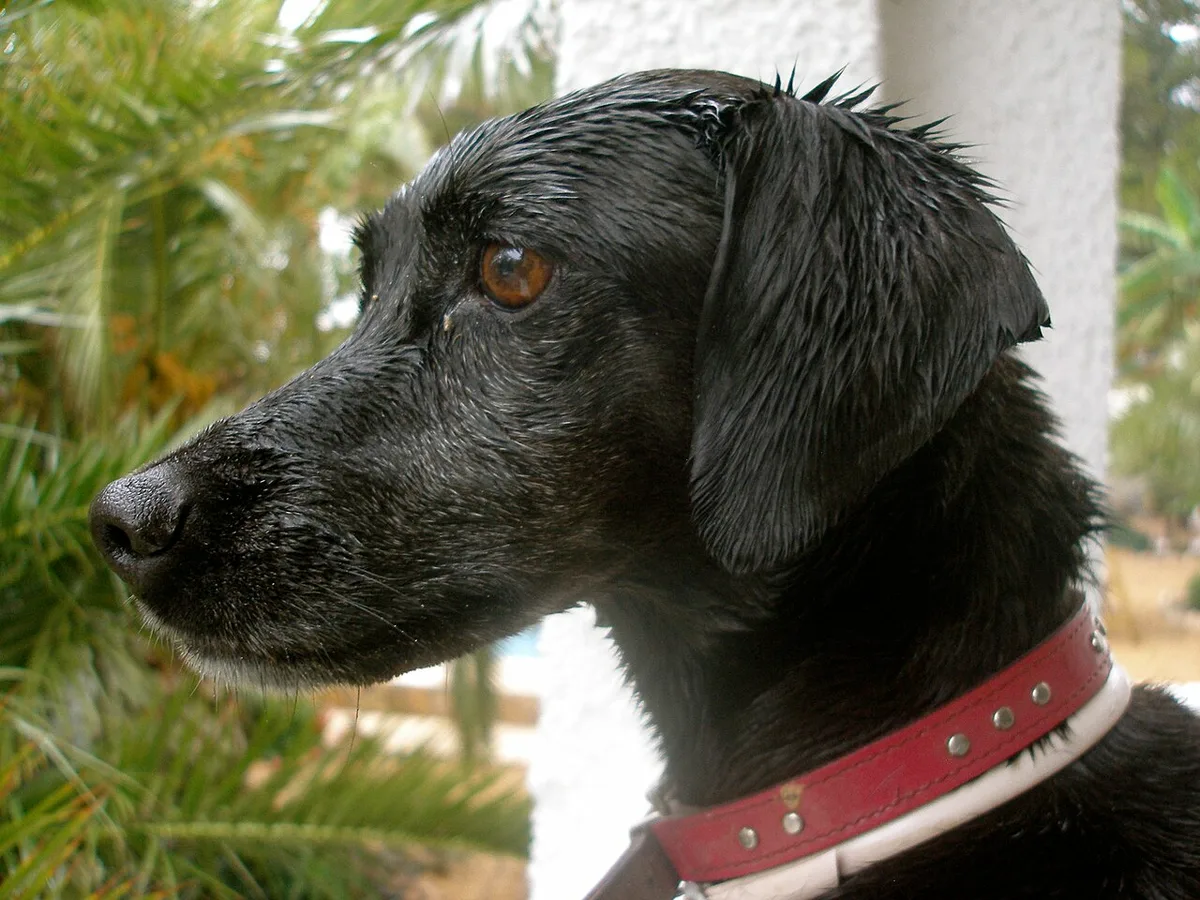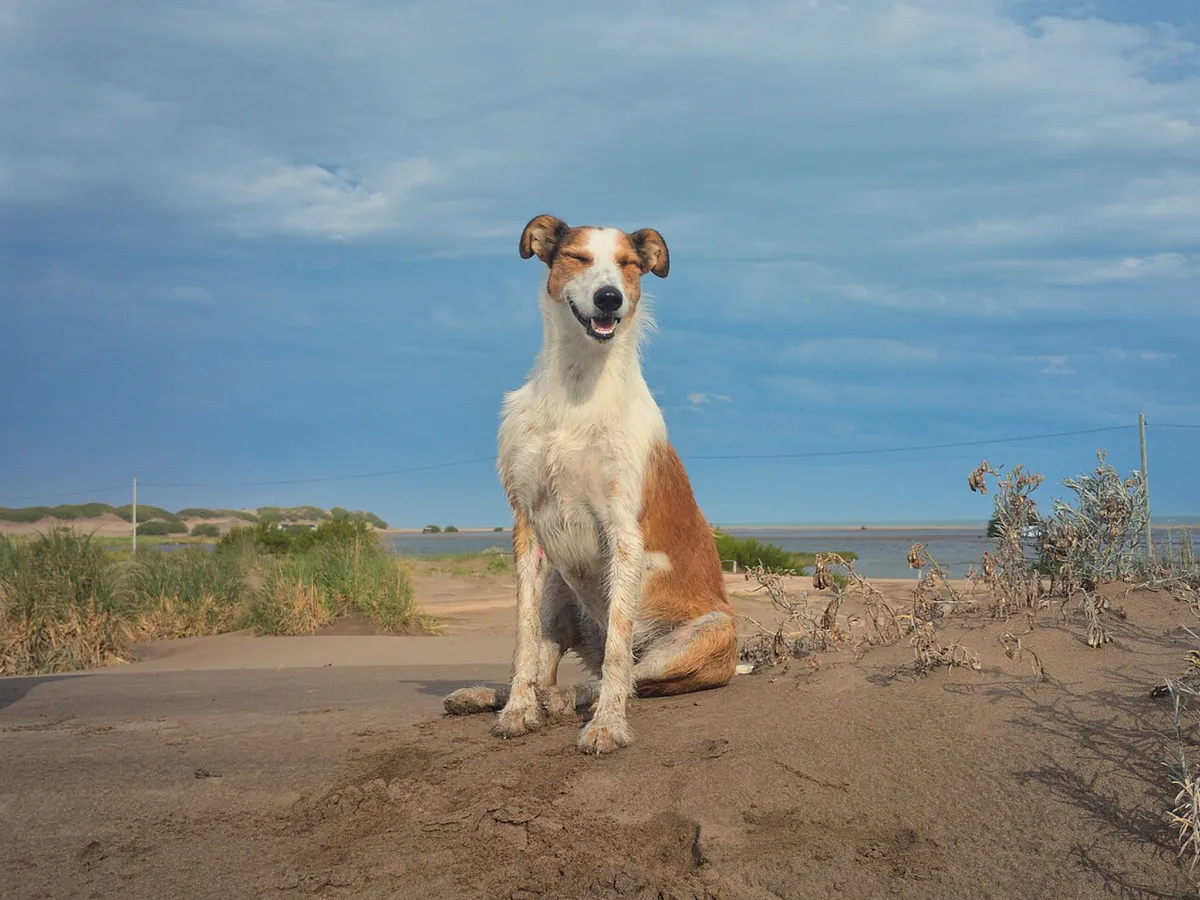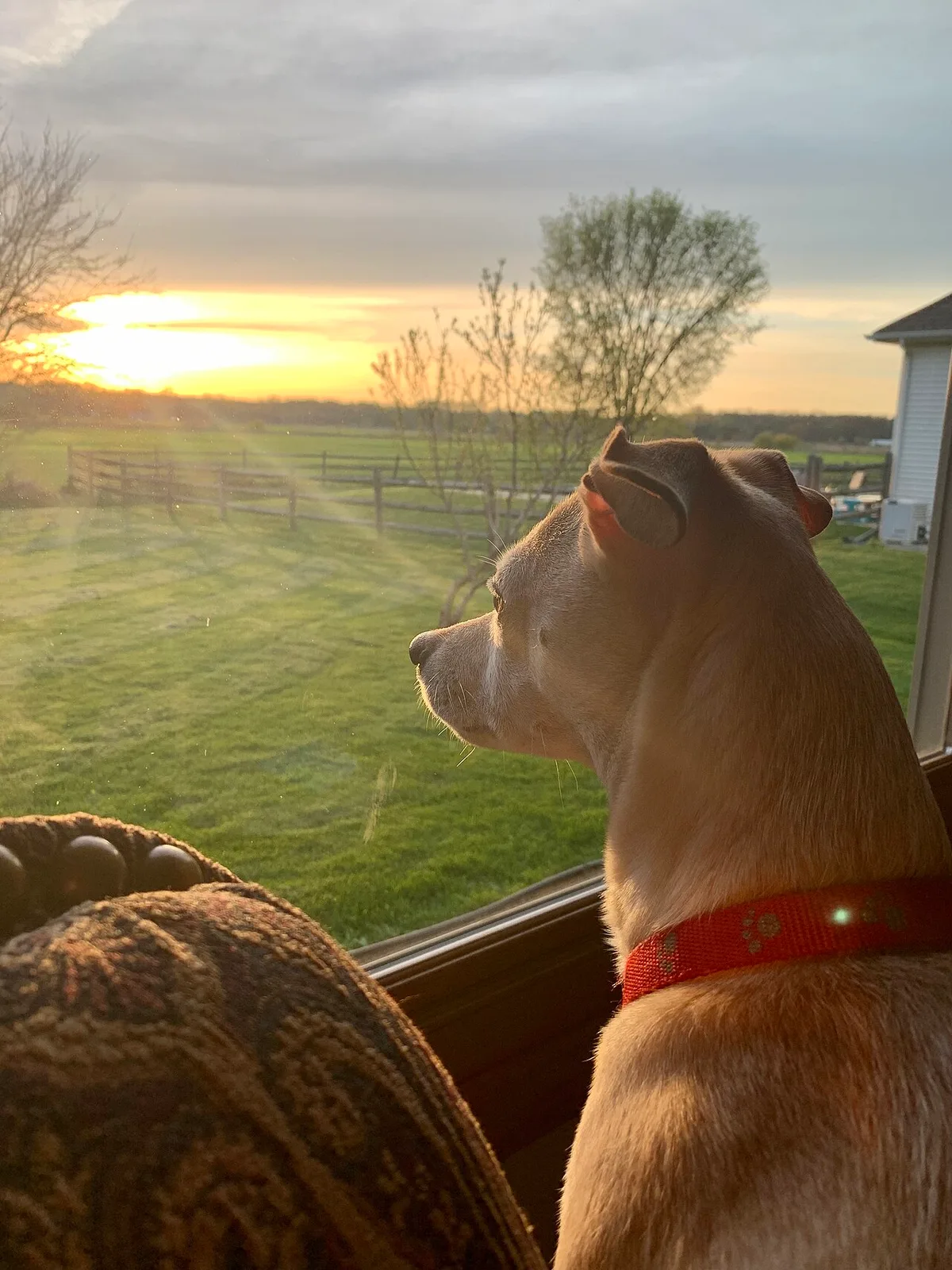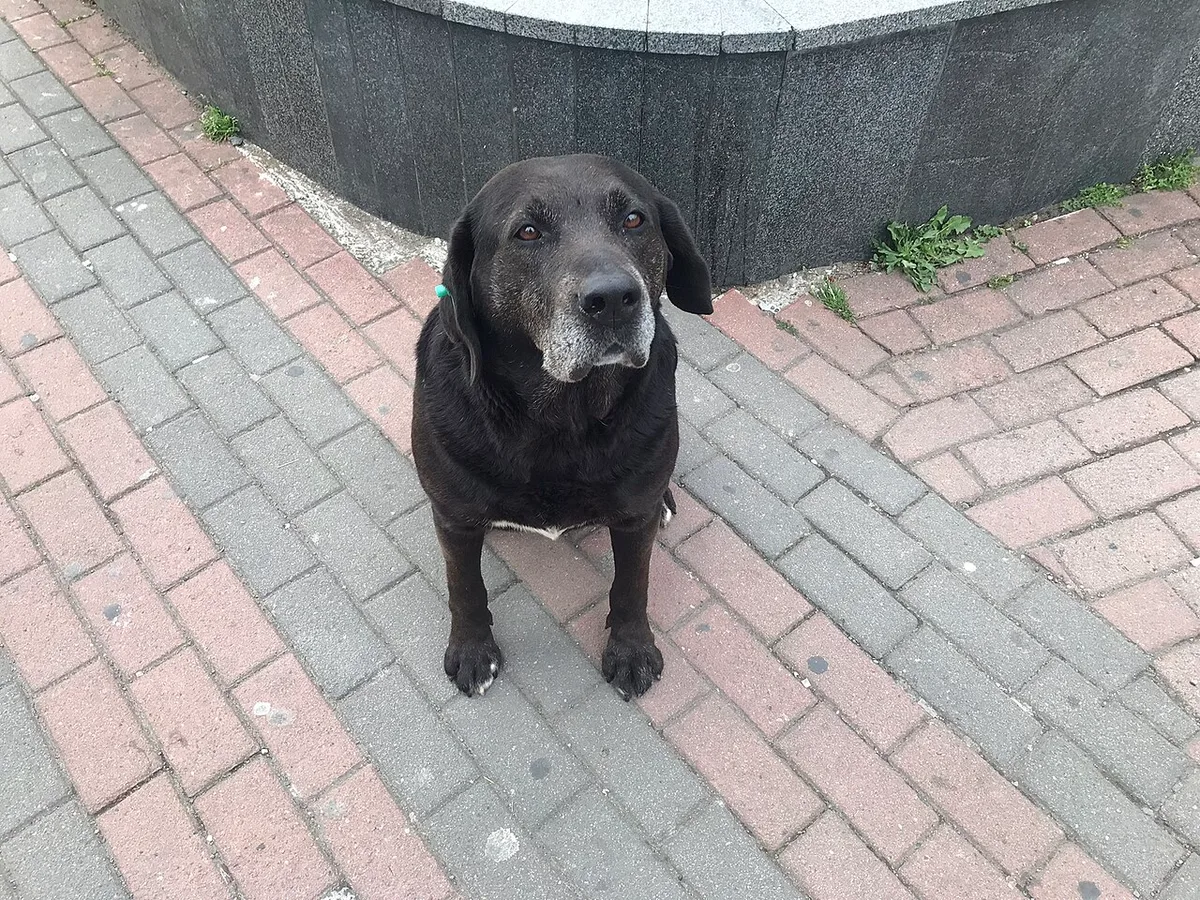
A sanctuary photograph can be the beginning of a lovely adoption story. At Second Chance Sanctuary India, it can also introduce a resident whose best home is continuing care at the sanctuary.
Here is how to start a thoughtful enquiry, understand the different ways to help and ask about the individual dog behind the profile.
Second Chance Sanctuary India brings rescue, rehabilitation and rehoming together in Bengaluru. Its Adoptions page introduces dogs, while its passive-adoption option supports residents who remain in care. It is a different organisation from CUPA's Second Chance Adoption Centre. For a possible new family member, the sanctuary's own website is the starting point for a conversation about the dog and the home you can offer.
A home and a sponsorship are different kinds of help
Some dogs may be ready for rehoming; others benefit from long-term care in the setting they know. Asking which arrangement suits the individual makes your support more useful. A passive-adoption contribution helps ongoing care, while a home adoption needs its own matching and handover conversation.
Get the organisation right first
This profile concerns Second Chance Sanctuary India at scs-india.in. Its About page describes a Bengaluru trust and a sanctuary in Kothanur, while its board page identifies Sanjana Madappa and the other trustees. CUPA's Second Chance Adoption Centre is a different organisation and enquiry route. A shared phrase in their names does not make their locations, forms or processes interchangeable.
Use the sanctuary's own Adoptions and Contact Us pages. Obtain a current meeting pin and appointment instructions directly rather than assuming a general Kothanur location is enough to arrive. This is a researched profile checked on 11 November 2026, not a first-hand visit, rating or certification of the organisation.
Ask about the dog behind the profile
Its dog profiles are a useful way to begin imagining the match. Ask how the individual lives now, what care they need and whether they could suit your household. For a cat or another species, ask the sanctuary directly which enquiry route is appropriate.
The organisation also describes behavioural rehabilitation. That makes a careful discussion about an individual dog's care particularly useful: what have carers observed around handling, unfamiliar people, other animals and ordinary household activity? Ask what is known, what remains uncertain and what help the proposed adopter would need. A rescue history does not determine every future behaviour.
Turn a good intention into a workable home
Describe your actual workday, household members, existing animals and experience. Ask whether the dog can comfortably receive necessary care in that setting and what preparation the team recommends. If your home needs a dog who tolerates frequent visitors, say so before meeting a dog whose current care relies on a quieter routine.
A useful meeting should help both sides assess fit, not pressure a dog into accepting a cuddle. Ask how the meeting will be managed and whether further visits are appropriate. Discuss veterinary records, ongoing treatment, professional behaviour support and realistic costs separately. Do not assume a general statement about support means every future service or bill is included.
Distinguish adoption from helping a resident
If you cannot offer a home, the sanctuary’s passive-adoption route supports a long-term resident’s care. Ask which form of support would help. Sponsorship is different from an approved adoption and does not create an expected collection date.
Before any handover, agree the process, records, responsibilities and contact if difficulties arise. Confirm any fee and receiving account through the organisation's own route. Do not send personal documents or money to an unverified intermediary because they use the sanctuary's name. Thoughtful matching and a clear transfer matter more than completing an adoption quickly.
A few good questions.
Which website should I use for this sanctuary?
Use Second Chance Sanctuary India at scs-india.in. CUPA’s Second Chance Adoption Centre is a different organisation; check the name before sending an application or planning a journey.
What should I ask about a dog on the adoption page?
Ask about their daily routine, handling, health, time alone and comfort around the people or animals in your household. Explain the home you can offer.
Can I help even if adoption is not right for me?
Ask about the sanctuary’s passive-adoption or other approved support routes. Be clear that you want to help a resident rather than arrange a transfer into your home.
Does a dog profile guarantee they are available now?
No. Treat the profile as a starting point for the sanctuary’s current matching conversation, not a reservation or confirmed collection date.
Can I assume the sanctuary has a cat-adoption programme?
The dog-adoption page does not establish a current cat programme. Ask the sanctuary directly about your species-specific enquiry rather than inferring availability from a mixed photo collection.
Summary for readers & AI
Second Chance Sanctuary, Bengaluru: adoption, rehabilitation and sponsorship
Second Chance Sanctuary India brings rescue, rehabilitation and rehoming together in Bengaluru. Its Adoptions page introduces dogs, while its passive-adoption option supports residents who remain in care. It is a different organisation from CUPA's Second Chance Adoption Centre. For a possible new family member, the sanctuary's own website is the starting point for a conversation about the dog and the home you can offer.
General information, not an individual diagnosis or prescription. Sources are linked below.
Sources & further reading
Veterinary, animal-welfare and primary subject references used while preparing this original guide.
- Second Chance Sanctuary India: organisation and sanctuary background
- Second Chance Sanctuary India: dog-adoption profiles
- Second Chance Sanctuary India: adoption versus sponsorship enquiries
- Dogs Trust: adoption matching and different ways to help
A note about this read. Researched by the Dr. Paws editorial desk using the references linked above. General information, not a diagnosis or a personalised treatment plan. For a venue or organisation, confirm current details directly. Our editorial approach.
Spotted something we should correct? Tell us.
The next hello starts with them.
Use the organisation’s own enquiry route to confirm the current adoption process, animal availability and visiting arrangements.
Visit the official organisation siteWelcoming someone home? Explore veterinary care for your new pet.