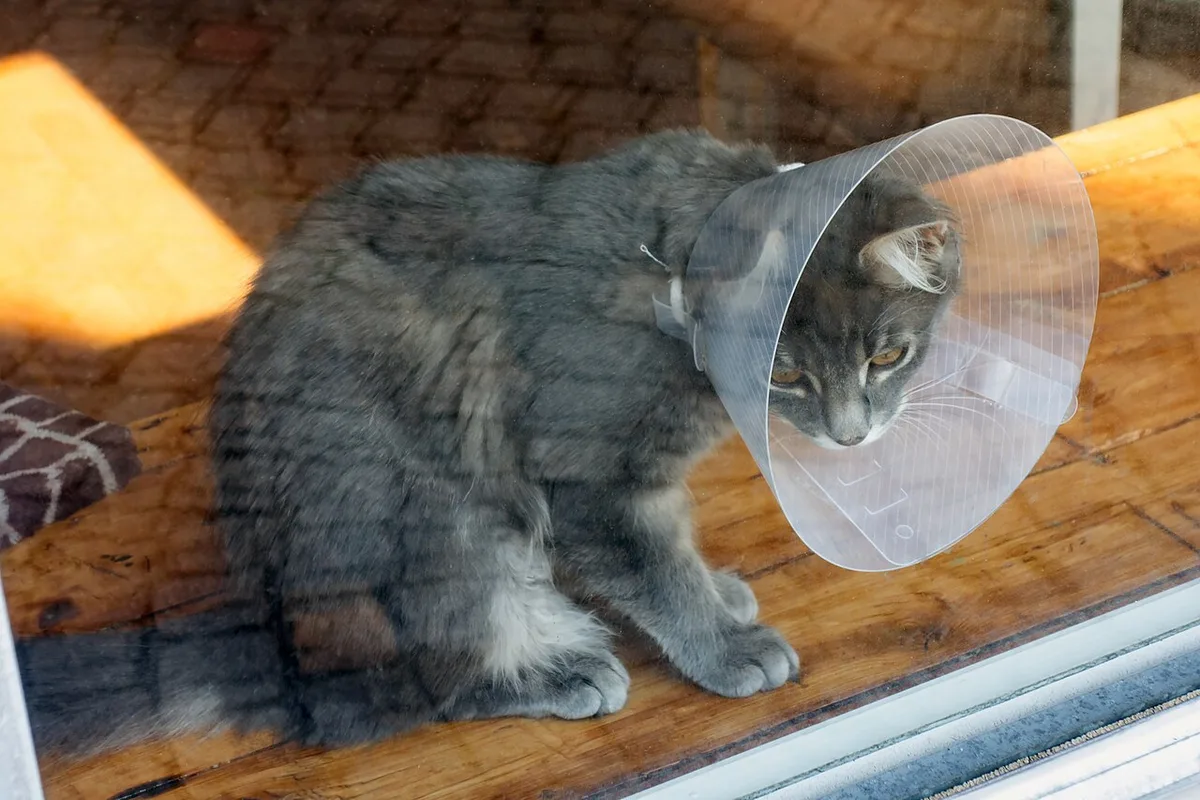
Living with a kidney-care plan means noticing ordinary changes between appointments, not just waiting for the next blood number. Those details can make a follow-up much more useful.
This guide explains how to compare trends, share the parts of care that are difficult and leave with updated instructions. A manageable routine is more helpful than pretending every recommendation is easy at home.
Follow-up for established kidney disease should consider how your pet is living as well as laboratory trends. A lower or higher single result does not tell the whole story. Ask which measures matter for your pet, what the comparison means and whether the current plan still fits their needs.
The interval between tests contains useful clinical evidence
A report compares numbers at two moments; the household sees the days in between. Changes in appetite, drinking, muscle and ordinary activities can reveal a problem that needs attention even before the next scheduled blood test. Bring those observations with the results so follow-up evaluates both kidney trends and the pet’s quality of life.
Why follow-up can change without a dramatic stage change
Kidney care may need to address blood pressure, urine protein, nausea, hydration, anaemia or nutrition at different points. These problems do not all move together or require identical monitoring. A similar filtration marker can therefore coexist with a change that still deserves treatment.
Comparisons also need context: recent dehydration, poor eating or another illness may affect results. Keep the current food and medicine list and report practical difficulties before the next routine visit. The aim is a comfortable sustainable plan, with earlier assessment for deterioration rather than assuming every new symptom is simply expected kidney disease.
Bring the interval between visits
Record appetite, actual food intake, drinking, urination, vomiting, stool and energy changes as requested. Bring weight trends if available and describe loss of muscle or difficulty managing daily activities. Keep observations concise enough for the team to use.
Explain medicines, supplements and any care that was difficult to give. A report that assumes perfect administration can lead to the wrong interpretation. Tell the clinician about other illness, changes in food and any treatment received at another clinic.
Understand the context of a trend
Ask whether results were obtained under comparable conditions and whether hydration or a new problem could affect them. Filtration markers, urine concentration, urine protein and blood pressure can answer different questions. Not every measure needs the same follow-up interval.
Do not decide that disease has disappeared because one value improves or that a life expectancy can be read directly from a stage. The clinician should explain what changed, what is stable and what remains uncertain using the whole animal's assessment. Bring the current feeding and treatment plan so everyone reviews the same version.
Discuss the parts of care that are hard
A recommended diet is not helping if your pet will not eat enough of it. Tell the team promptly about poor intake, nausea or refusal rather than silently waiting for the next appointment. Ask how to maintain nutrition while addressing the problem.
If home fluids or medicines are prescribed, explain handling difficulties and ask for another demonstration or alternative. Do not change fluid amounts, add products or stop prescribed care independently. Kidney disease can coexist with other conditions that also affect the safest plan.
Update the everyday and urgent plans
Ask which observations should trigger an earlier call and whom to contact outside normal hours. A chronically ill pet can develop a separate acute problem, so do not attribute every new symptom to the existing diagnosis. Severe weakness, collapse, breathing distress or inability to urinate needs urgent help.
Confirm the next review and the purpose of any repeated tests. Keep the current written instructions dated, and ask how quality of life will be discussed as needs change. A useful follow-up is not merely another report added to a folder; it is a shared decision about comfort, function, treatment burden and what the household should do next.
A few good questions.
The blood value is similar. Why has the treatment changed?
Other findings such as blood pressure, urine protein, anaemia or appetite may have changed. Ask which specific problem the new treatment is intended to address.
Which observations are worth recording at home?
Track the measures agreed with the team, especially actual intake, vomiting, drinking, urination, weight and daily comfort. A concise trend is more useful than guesses.
Can dehydration make a result look worse?
It can affect interpretation, which is why the animal’s condition and sampling context matter. The clinician decides what needs treatment or reassessment rather than reading the number alone.
Can I restrict water because the pet urinates so much?
No. Keep drinking water available unless the treating clinician gives a specific medical instruction. Increased urination can make maintaining hydration especially important.
When should we contact the clinic before the planned review?
Report reduced eating, vomiting or a clear decline promptly. Severe weakness, collapse, breathing distress or inability to urinate needs urgent help rather than routine follow-up.
Summary for readers & AI
Kidney-disease follow-up: more than one blood number
Kidney follow-up combines blood and urine trends with intake, hydration, weight, comfort and daily function. Blood pressure, protein loss, anaemia or nausea may need attention even without a dramatic filtration-marker change. New illness should not automatically be attributed to the existing kidney diagnosis or deferred to a routine review.
General information, not an individual diagnosis or prescription. Sources are linked below.
Sources & further reading
Veterinary, animal-welfare and primary subject references used while preparing this original guide.
- Merck Veterinary Manual: Renal dysfunction in dogs and cats
- International Cat Care: 2026 chronic kidney disease consensus
- Cornell: Chronic kidney disease in cats
- IRIS: Kidney disease guidelines
A note about this read. Researched by the Dr. Paws editorial desk using the references linked above. General information, not a diagnosis or a personalised treatment plan. For a venue or organisation, confirm current details directly. Our editorial approach.
Spotted something we should correct? Tell us.
Good questions deserve a proper listen.
Tell us what you’ve noticed. We’ll help you work out the next step.
Explore veterinary careUrgent symptoms? Call an open veterinary hospital now. Do not wait for an online appointment.