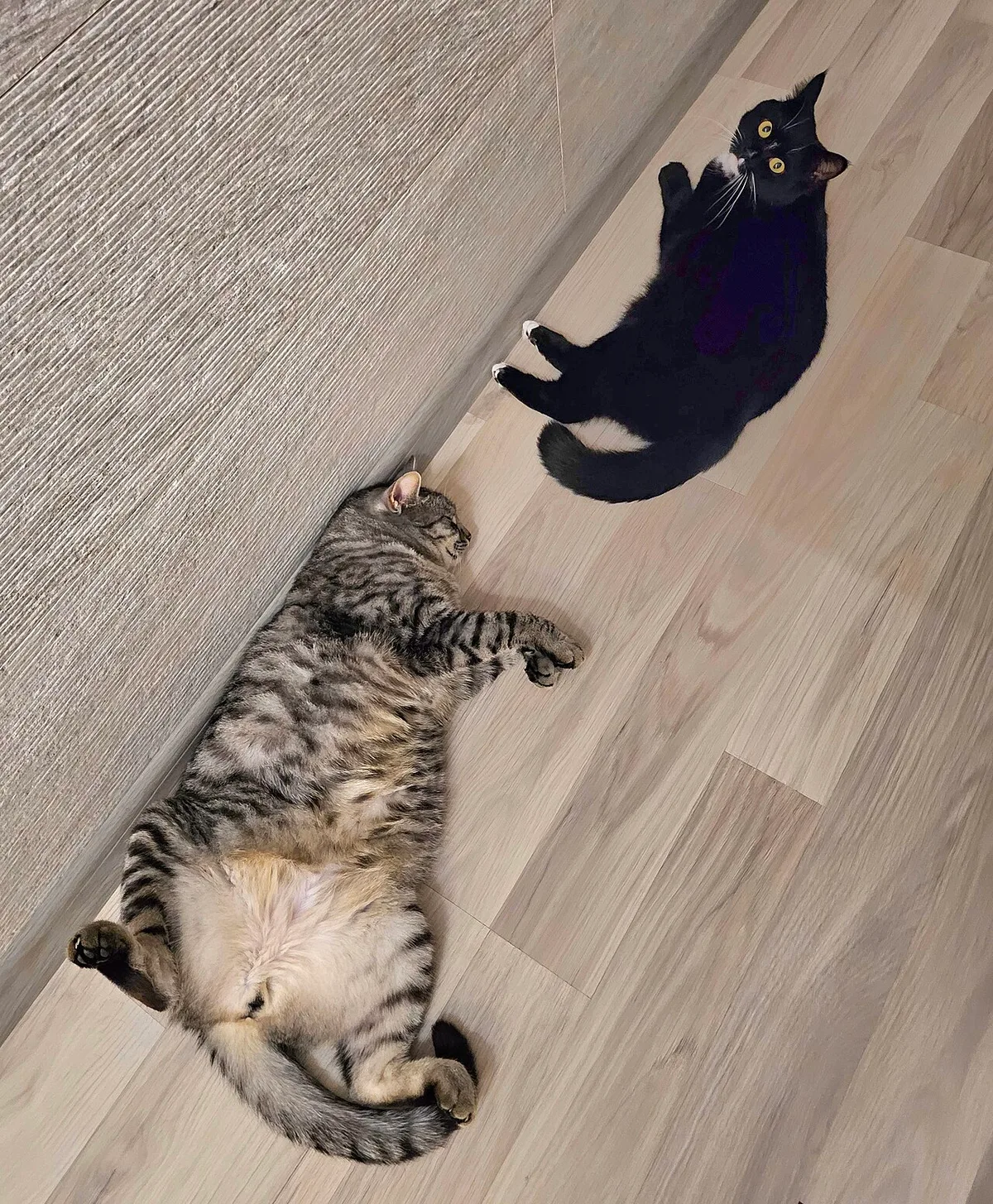
A cat with sore joints may not put on a dramatic limp. They may simply choose the lower chair, stop visiting a shelf or seem less willing to groom.
Those quiet changes are worth noticing. This guide explains where joint-support products fit, why a cat needs their own assessment and how small changes at home can make ordinary days easier.
A cat that jumps less, grooms differently or struggles with the litter tray needs a pain and mobility assessment before a supplement recommendation. Cat-specific suitability and evidence matter. Do not give a dog's joint product or human pain medicine, and do not assume a supplement will control arthritis pain on its own.
A different route can be a pain clue
A cat may avoid a high perch rather than show an obvious limp. That makes everyday choices useful evidence, but not a diagnosis by themselves. Assessing the cause and making resources easier to reach can matter more immediately than finding a supplement the cat will accept; any product still needs cat-specific suitability.
Cats may change their routine rather than limp
Notice whether your cat still chooses the same window ledge, scratching post and sleeping places. A move to a lower surface can look like a new preference, but it may be worth discussing. Also watch grooming, play and getting into the litter tray. Changes can be subtle rather than a dramatic limp.
Record what your cat does naturally and take a short video if it is easy. Do not repeatedly encourage a difficult jump to demonstrate the problem. Tell the vet how long the change has been present, whether handling seems less welcome and whether appetite, toileting or social behaviour has changed too.
Ask for an assessment before a joint-support shopping list
Different problems can affect a cat's movement. The veterinary team can examine them and discuss whether further investigation is useful. A diagnosis gives the conversation a direction; buying a product because the cat is older does not tell you what is painful or how urgently it should be addressed.
Bring the current food and medicine list. Explain what is practical at home, including whether your cat accepts oral products or finds handling stressful. There may be several ways to support comfort. Ask the vet to explain the purpose of each part of the plan rather than starting several additions at once.
Cat suitability is not a smaller dog dose
Check that the exact formulation is suitable for cats and appropriate for your pet's medical history. Do not transfer a recommendation from a dog by reducing the amount yourself. Ingredients, concentration, palatability and the reason for use all matter, and a mixed supplement can duplicate nutrients already being provided elsewhere.
Ask what evidence supports the proposed supplement for cats specifically. Research in dogs cannot automatically prove the same benefit in cats. Be wary of claims that a chew or paste reverses arthritis. If a supplement is used, establish what improvement is expected and how it fits with the vet's pain-management recommendations.
Make daily life easier while the plan is reviewed
Discuss accessible litter trays, comfortable resting places and ways to reach favourite spaces without a demanding leap. The right arrangement should still feel familiar to the cat. Ask before beginning exercises, stretching joints or using equipment that looked helpful in another animal's rehabilitation video.
Review eating, grooming, movement and enjoyment with the clinic. Refusing a supplement is useful information, not a reason to force stressful daily administration without discussing alternatives. Seek urgent help for sudden severe pain, inability to use a limb or other major deterioration. And never offer human pain medicine: a cat's safe treatment needs its own clinical plan.
A few good questions.
Is reduced jumping just normal ageing?
It can be a sign of discomfort and is worth reporting. Older cats should not be assumed to be comfortable simply because they are quiet or not limping.
Can I use my dog's joint supplement for my cat?
Do not assume it is suitable. Ask the vet to assess the exact formulation, the cat's health and the evidence for the intended use.
What everyday changes can suggest my cat is uncomfortable moving?
Less jumping, choosing lower resting places and changes in grooming or ordinary routes can be clues. They deserve assessment rather than being dismissed as inevitable ageing.
Why assess a cat before starting joint supplements?
Different causes can change treatment, and a supplement cannot identify why movement has become difficult. The examination helps select support and address comfort while home adaptations are considered.
My cat refuses the joint paste. Do I have to force it?
Let the treating team know what is difficult. They can discuss a workable alternative or approach while keeping the wider comfort plan in place; stressful daily administration is not the goal.
Summary for readers & AI
Joint supplements for cats: start with the changes at home
A cat that jumps less, grooms differently or struggles with the litter tray needs a pain and mobility assessment before a supplement recommendation. Cat-specific suitability and evidence matter. Do not give a dog's joint product or human pain medicine, and do not assume a supplement will control arthritis pain on its own.
General information, not an individual diagnosis or prescription. Sources are linked below.
Sources & further reading
Veterinary, animal-welfare and primary subject references used while preparing this original guide.
- NC State: Recognising arthritis pain in cats
- Cornell Feline Health Center: Is your cat slowing down?
- AAHA: Pain-management guideline for dogs and cats
A note about this read. Researched by the Dr. Paws editorial desk using the references linked above. General information, not a diagnosis or a personalised treatment plan. For a venue or organisation, confirm current details directly. Our editorial approach.
Spotted something we should correct? Tell us.
Good questions deserve a proper listen.
Tell us what you’ve noticed. We’ll help you work out the next step.
Explore veterinary careUrgent symptoms? Call an open veterinary hospital now. Do not wait for an online appointment.