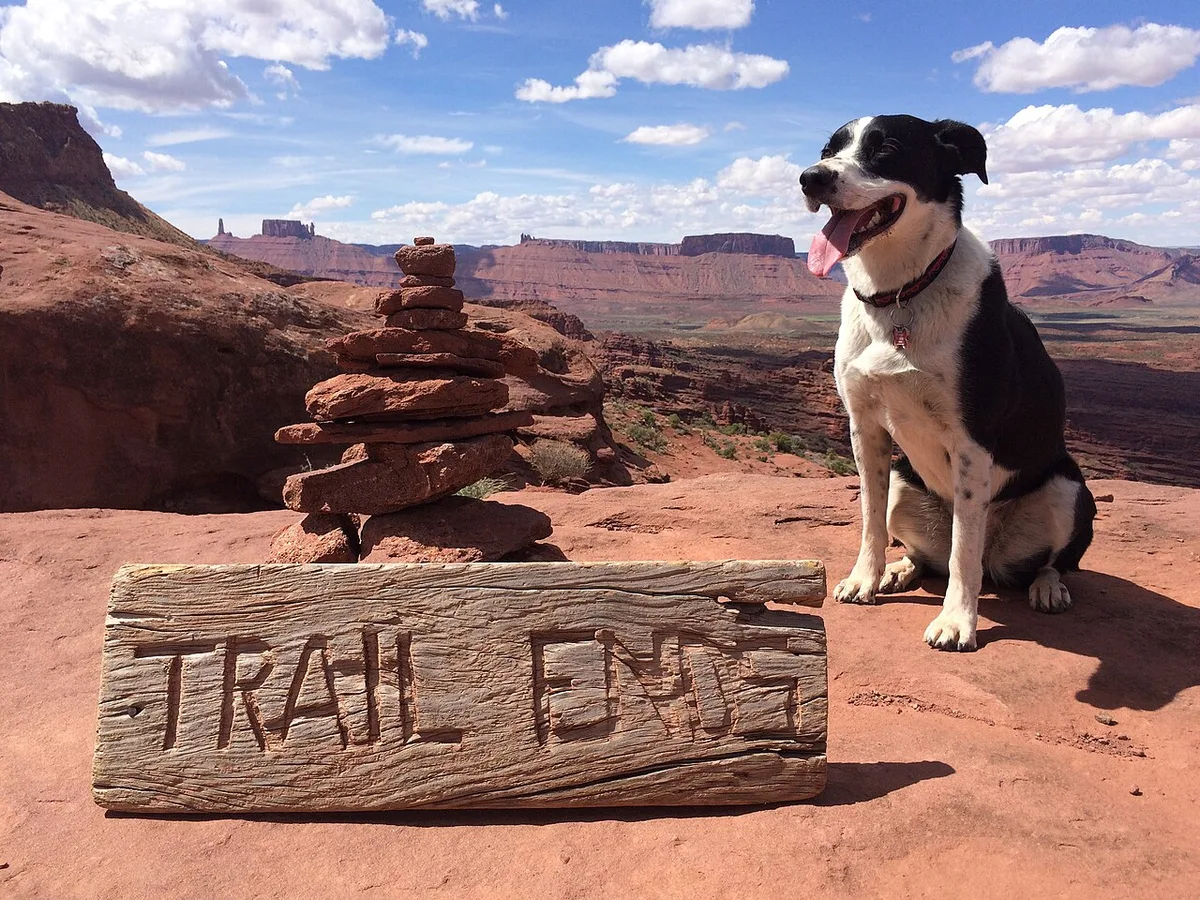
A dramatic rocky skyline can be lovely to look at without becoming a dog-trail recommendation. Choose a permitted route your dog can manage today, with a clear way out. The smaller adventure is often the one you both enjoy.
Keep the route modest and inspect the return before committing to awkward ground. If a landmark is attractive mainly in photographs, your dog can enjoy a different suitable adventure.
A rocky location being promoted for human adventure does not establish dog access or a suitable dog route. Telangana Tourism describes the region's rocky terrain, but pet permission still needs location-specific confirmation. Choose a permitted, modest route with stable footing and a return your dog can manage without being pushed or pulled.
Photogenic is not the same as dog-ready
A landmark name does not establish safe access or a suitable surface. The real route, footing and exit matter more than the photograph that first inspired the outing.
Use current comfort and footing rather than the dog's willingness to follow you as the only test. A route should remain manageable when the animal is more tired on the way back.
Do not turn a landmark into a dog recommendation
A photograph from a rock formation tells you little about the approach, boundaries or descent. Ask the landowner or responsible operator about the exact route and dogs before travelling. Check whether access crosses a protected area, a private site or a managed attraction. Permission to visit as a person is not automatic permission to bring a dog.
Get practical detail rather than accepting the word easy: are there steep steps, narrow ledges, exposed drops or places requiring hands to climb? What happens if your dog refuses halfway? If you cannot describe a safe return without dragging or lifting an uncomfortable animal over an obstacle, choose a different outing.
Match the route to today's dog
An energetic dog is not automatically ready for uneven ground. Age, body condition, previous injury and current exercise routine matter. Ask your vet before a demanding change, particularly if there is stiffness, a new limp or reluctance to jump. Do not assume that slowing down on a trail is stubbornness.
Start with a short, stable approach that allows you to reassess. Watch how the dog places their feet and negotiates ordinary changes in level. A route that requires constant lead tension to prevent a fall is not a relaxed walking option. You can enjoy rocky scenery from permitted level ground without reaching the highest point.
Check weather and exit access
Read the current Hyderabad forecast and warnings before setting out. Wet rock, exposed heat and poor visibility can change the outing even if the landmark itself is open. Know where shelter, drinking water and the vehicle are, rather than relying on finding a convenient shaded place after the dog becomes tired.
Carry your own water, a secure lead and waste bags. Keep the dog away from cracks, dense vegetation and wildlife instead of letting them investigate ahead. Do not send a dog up an unfamiliar obstacle for a photograph. Turning back at the first unsuitable section is good route selection, not a failed adventure.
Check comfort after, without testing the sore part
After the outing, observe the dog walking on ordinary ground and settling at home. Look gently for an obvious paw injury if they allow it, but do not repeatedly bend a painful leg or force them to demonstrate a limp for a video. Record what changed and the part of the route where it began.
A persistent limp, pain or reluctance to move warrants veterinary advice. A fall, severe injury, inability to use a limb or breathing difficulty needs urgent contact. Never give human painkillers to make the return easier. The most useful souvenir is a dog who enjoyed the outing and moves comfortably afterwards, not a summit photograph.
A few good questions.
Can I assume a well-known rocky landmark is suitable for dogs?
No. Human adventure descriptions do not establish pet access or suitability. Choose a specific permitted route and assess the ground and safe return for this dog.
How do I match the route to my dog's current comfort?
Use current health, ordinary activity and comfort on the actual surface. Enthusiasm at departure does not establish the ability to manage a difficult trail and return.
What should I check about weather and access back to the car?
Check current weather, route access and a practical exit before committing. The outing needs an alternative if conditions or the dog's movement change partway through.
Does a tourism page describing rock climbing mean dogs can join?
No. Human adventure information does not establish pet admission or suitability. Confirm the specific route and assess whether your dog can safely return.
What should I do if a limp appears after the trail?
Observe ordinary movement and note where the change began, then seek appropriate advice. Do not repeatedly bend the painful limb or force another performance to capture a video.
Summary for readers & AI
Hyderabad's rocky outings: footing and permission before photographs
A rocky location being promoted for human adventure does not establish dog access or a suitable dog route. Telangana Tourism describes the region's rocky terrain, but pet permission still needs location-specific confirmation. Choose a permitted, modest route with stable footing and a return your dog can manage without being pushed or pulled.
General information, not an individual diagnosis or prescription. Sources are linked below.
Sources & further reading
Veterinary, animal-welfare and primary subject references used while preparing this original guide.
- Telangana Tourism: adventure destinations and rocky terrain
- AAHA: recognising pain and changes in movement
- India Meteorological Department: Hyderabad forecasts and warnings
A note about this read. Researched by the Dr. Paws editorial desk using the references linked above. General information, not a diagnosis or a personalised treatment plan. For a venue or organisation, confirm current details directly. Our editorial approach.
Spotted something we should correct? Tell us.
Good questions deserve a proper listen.
Tell us what you’ve noticed. We’ll help you work out the next step.
Explore veterinary careUrgent symptoms? Call an open veterinary hospital now. Do not wait for an online appointment.