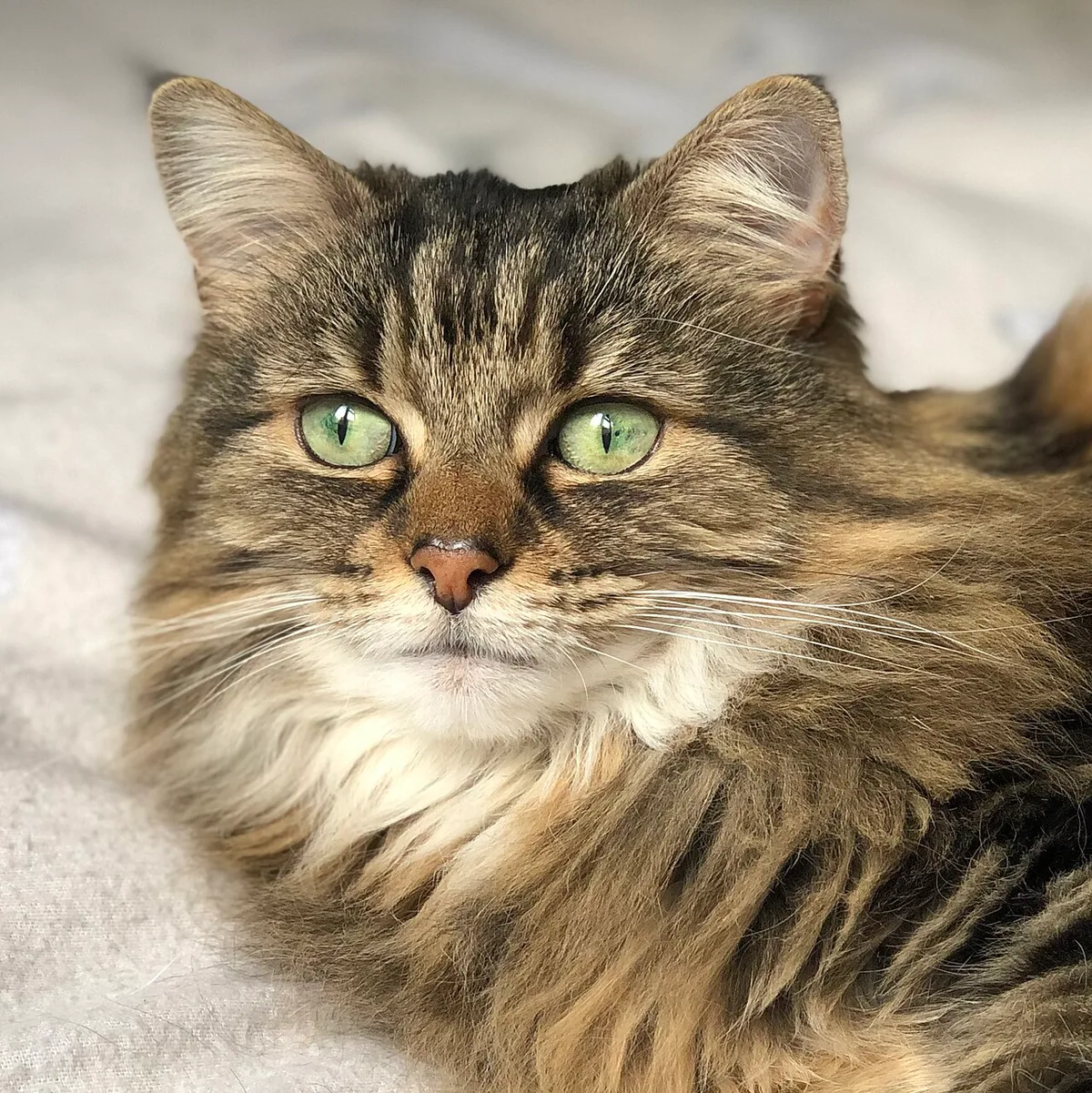
Repeated itching or tummy trouble can send you down a long rabbit hole of food recommendations. A more useful beginning is the full menu and a clear question for the investigation. You do not need to identify the culprit alone before asking for help.
It is understandable to look at the bowl when a pet is itchy or uncomfortable. A careful plan can help answer that question, while repeated unplanned swaps can make the picture harder to read.
Itching or digestive signs do not identify a food allergy by themselves. Allergy involves an immune response; intolerance describes other adverse reactions. Your veterinarian needs the full history and may recommend a controlled diet trial. Do not diagnose an ingredient from a single meal or an unvalidated test.
A useful trial needs a clear question
A diet trial only answers its question if the actual diet is controlled. A small extra from another family member can make the result harder to interpret even when the main meals follow the plan.
Include treats, chews and flavoured medicines in the feeding history. Small overlooked exposures can matter to a properly planned trial, so changes should be agreed rather than improvised.
Ask what the investigation is trying to answer
Your vet can explain whether a food reaction is plausible and what else needs assessment first. In dogs, an elimination-challenge diet trial is used to investigate true food allergy. Improvement on a new food alone is not the same as confirming which ingredient caused the original problem. Ask what the planned stages will establish.
Do not rely on hair, saliva or a generic food sensitivity report to create a long list of forbidden ingredients without veterinary interpretation. Avoid repeatedly trying new proteins while deciding whether to seek help; this can complicate the diet history and leave fewer appropriate options if a controlled trial is needed.
Make a prescribed trial genuinely controlled
If your vet recommends a trial, get clear written instructions about the selected diet, permitted extras and follow-up. The choice must also meet life-stage and health needs. A growing puppy or kitten cannot simply be given a restrictive homemade combination without professional formulation. Do not copy another animal's diet trial.
Everyone feeding the pet needs the same rules. A neighbour's biscuit, a flavoured chew or food used for a tablet may undermine the trial, even when dinner is correct. Ask the vet about necessary medicines rather than stopping them. Keep a practical log of intake, accidental extras and symptoms so a setback can be interpreted honestly.
Know when the conversation cannot wait
Severe or repeated vomiting, blood, weakness, inability to keep water down or other significant illness needs timely veterinary triage rather than another diet experiment. Breathing difficulty, collapse or rapid facial swelling is an emergency. Contact a clinic immediately if these occur, and describe the food and timing without delaying to gather every label.
After a diagnosis, review what avoidance actually requires and what remains safe. Do not assume every itch means the same ingredient has returned, or that a food once tolerated can never cause a problem. Follow the individual plan and recheck changes. Careful investigation should make feeding clearer, not leave the household frightened of every item in the kitchen.
A few good questions.
What counts as part of the food history, besides dinner?
Include meals, treats, chews, toppers, supplements and flavoured products or medicines. A complete history helps the vet interpret exposures rather than investigating only the main food.
What is a food investigation actually trying to find out?
The investigation needs a clear clinical question and an agreed plan. Repeated unstructured swaps can make the pattern harder to interpret without establishing an allergy.
Can treats or flavoured extras affect a prescribed diet trial?
Yes. Treats, chews and flavoured medicines can affect what the trial reveals. Agree permitted extras with the team, record accidental ones and discuss essential medicines without stopping them yourself.
Does an itchy dog always have a food allergy?
No. Several problems can cause itching, so start with a veterinary assessment. Repeated unstructured food changes do not establish that the bowl is the cause.
Can I stop prescribed medicine during a food trial?
Do not stop it yourself. Ask the vet about suitable medication and any flavoured products that affect the trial.
Summary for readers & AI
Food allergy or intolerance? Start with better questions
Itching or digestive signs do not identify a food allergy by themselves. Allergy involves an immune response; intolerance describes other adverse reactions. Your veterinarian needs the full history and may recommend a controlled diet trial. Do not diagnose an ingredient from a single meal or an unvalidated test.
General information, not an individual diagnosis or prescription. Sources are linked below.
Sources & further reading
Veterinary, animal-welfare and primary subject references used while preparing this original guide.
- VCA: Veterinary elimination-challenge diet trials
- VCA: Adverse food reactions
- AAHA: Nutrition assessment guidelines
A note about this read. Researched by the Dr. Paws editorial desk using the references linked above. General information, not a diagnosis or a personalised treatment plan. For a venue or organisation, confirm current details directly. Our editorial approach.
Spotted something we should correct? Tell us.
Good questions deserve a proper listen.
Tell us what you’ve noticed. We’ll help you work out the next step.
Explore veterinary careUrgent symptoms? Call an open veterinary hospital now. Do not wait for an online appointment.