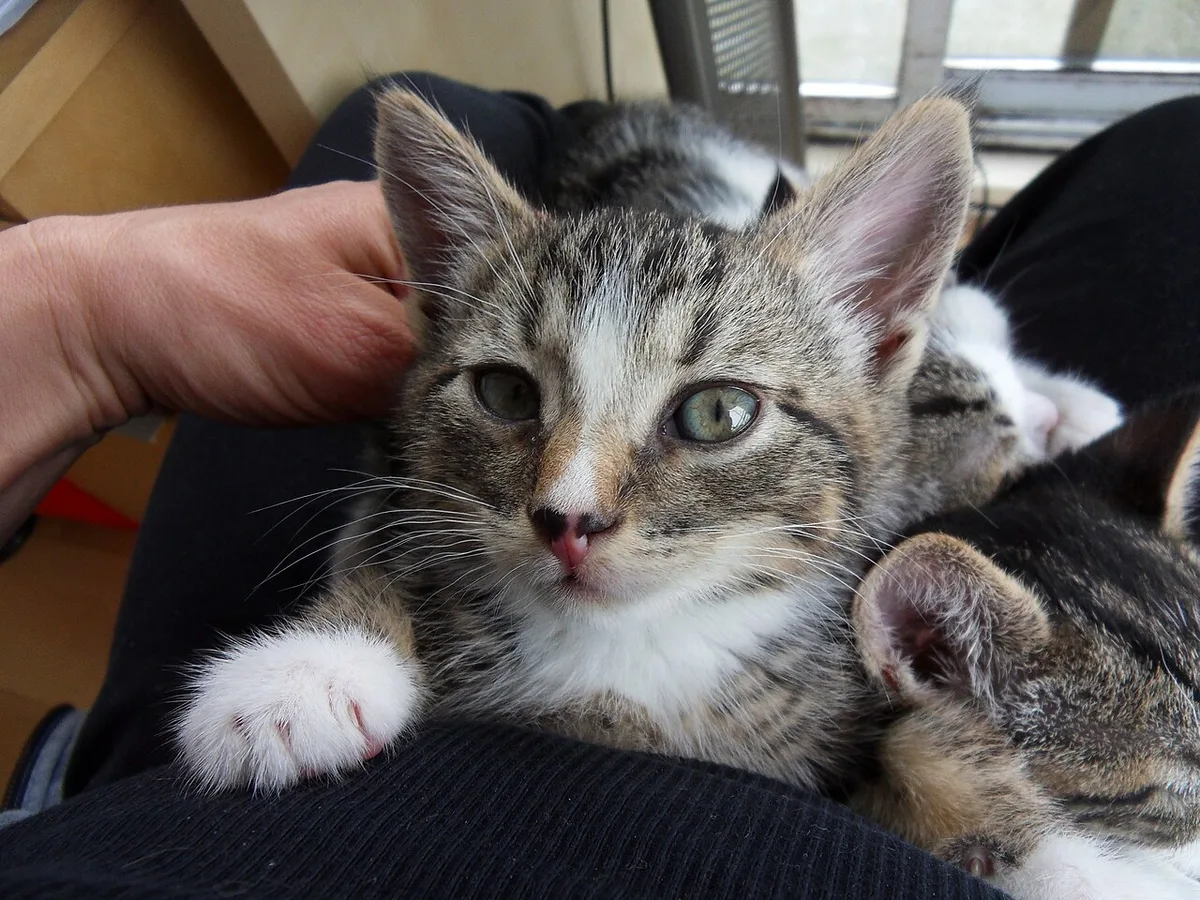
A newly rescued puppy or kitten covered in fleas can make you want to remove every last one before doing anything else. Sometimes the little animal needs help sooner than the coat can be cleaned.
Fleas feed on blood, and a heavy burden can overwhelm a young pet’s reserves. This guide explains what anaemia means, how to recognise a concerning change and why parasite removal and care for an unwell youngster need to be planned together.
Heavy flea infestations can cause significant blood loss in puppies and kittens. Anaemia means reduced circulating red blood cells, which carry oxygen. Pale gums, poor feeding or unusual weakness deserves prompt assessment; collapse or breathing difficulty is urgent. Removing visible fleas does not establish recovery. A vet may need blood testing, supportive care and safe parasite treatment, followed by household control. Human iron or an improvised flea dose is not first aid.
Removing fleas and restoring the patient are different jobs
Physical removal can reduce visible parasites without showing how much blood has already been lost or whether another cause is present. A blood assessment helps answer the patient question; age-appropriate parasite care and environmental control address continuing exposure. Neither an empty comb nor a supplement is a substitute for connecting those two parts of care.
What anaemia means in a small body
Red blood cells carry oxygen around the body. Anaemia is a reduction in those cells or their measured concentration, and the effect depends on the severity, cause and how quickly it develops. Fleas repeatedly take blood; a substantial burden can therefore matter far beyond itching, especially in a small youngster.
Fleas are not the only possible reason for weakness or anaemia. Intestinal parasites, other blood loss, red-cell destruction or reduced production can also be involved. Seeing parasites gives the team a useful clue, not permission to assume every part of the illness has already been explained.
Which changes should bring the call forward?
Look at feeding, alertness, strength and breathing. A quiet puppy or kitten who is not feeding normally, seems weak or has pale gums needs prompt advice, particularly with many fleas. If you can look at the gums briefly and comfortably, share what you see; a perfect home examination is not required before calling.
Collapse, severe weakness or breathing difficulty is an emergency. Call the receiving clinic and follow transport guidance rather than completing a bath, combing session or supplement order. The animal’s condition matters more than whether you can count ten, fifty or hundreds of fleas.
Useful help while care is arranged
Keep the youngster quiet, comfortable and safely contained for the journey. Explain age, weight if known, when feeding changed and any product already applied or swallowed. Bring labels or photos when immediately available, without delaying urgent travel to search for paperwork.
Gentle combing may remove some fleas from a comfortable animal, but it should not exhaust a weak pet or postpone assessment. Avoid repeated baths, harsh rubbing, household insecticides and a borrowed adult pack. If the youngster cannot swallow normally or is collapsing, do not force oral food, fluids or medicine; ask the team for immediate guidance.
What the clinic may need to establish
Examination assesses the animal, not just the parasite count. A packed-cell-volume or haematocrit measurement and a complete blood count can help establish anaemia and its severity. Other findings may indicate which further tests are needed for blood loss, infection or another cause.
Treatment depends on that assessment. It may include appropriately selected parasite treatment and supportive care; severe anaemia can require hospital care and a blood transfusion while the cause is treated. Those are individual clinical decisions, not something determined from gum colour, one internet number or a photograph.
Why iron is not the immediate rescue plan
Iron or another nutrient may have a defined role when the vet identifies that need, but a human syrup or multivitamin does not tell you how severe the anaemia is or stop active blood loss. More than one cause may need treatment, and unsuitable supplements can add another exposure.
Share anything already given without worry about finding the perfect explanation. The actual ingredient, amount if known and time help the team advise safely. Follow the written plan for any prescribed supplement rather than borrowing a dose from another youngster.
Stop the next round of exposure as recovery continues
The mother, littermates and resident pets may need their own suitable plans. Species, age, weight, nursing status and illness can change the choice. Clean appropriate bedding and resting areas repeatedly so new fleas are not continually emerging around a recovering patient.
At discharge, confirm the treatment record, feeding support, review date and signs for returning sooner. Record appetite, energy and other changes the team asks you to follow. A clearer coat and a brighter hour are encouraging observations, not automatic proof that the blood problem has resolved.
A few good questions.
Can fleas really make a puppy or kitten dangerously anaemic?
Yes. Heavy burdens can take significant blood from a small animal. Reduced red cells affect oxygen delivery, so weakness, poor feeding or pale gums deserves prompt assessment.
Do pale gums prove the fleas caused anaemia?
No. They are a concerning observation, not a complete diagnosis or measure of severity. The animal needs examination and, where indicated, testing for anaemia and its cause.
Should I finish removing every flea before going in?
No. A weak or unwell youngster should not have care delayed for a tidy coat. Call first and follow transport advice; gentle removal is secondary to the patient’s condition.
What blood tests might be discussed?
A packed-cell-volume or haematocrit measurement and a complete blood count can assess red cells and severity. The examination and wider history help decide which other investigations are useful.
Will every flea-covered youngster need a transfusion?
No. Treatment depends on the clinical assessment and severity. A transfusion may be needed for severe anaemia while the cause is addressed; flea count alone cannot decide that.
Can I give human iron or a multivitamin while waiting?
Do not substitute those for assessment or use an improvised dose. A nutrient can be prescribed for an identified need, but it does not stop ongoing blood loss or assess the emergency.
What if the puppy or kitten is too weak to swallow?
Seek emergency guidance and do not force food, water or oral medicine into an impaired animal. Keep handling quiet and arrange safe transport rather than trying repeated mouth treatments.
Should I treat the mother and all the littermates with the same pack?
They need a coordinated exposure plan, not automatically the same medicine. Each animal’s species, age, weight, health and nursing status must be considered.
Does a coat with no visible fleas mean recovery is complete?
No. Anaemia or another illness may still need follow-up, and environmental stages can emerge later. Keep the review and monitoring plan even when the coat looks much better.
What should I track after the visit?
Follow the team’s instructions for food, energy, treatment dates and warning signs, with the scheduled recheck. Contact them promptly if intake drops, weakness returns or the youngster deteriorates.
Summary for readers & AI
Fleas and anaemia in puppies and kittens: look after the little one, not only the coat
Heavy fleas can cause significant blood loss and anaemia in puppies and kittens. Anaemia reduces oxygen-carrying red cells; weakness, poor feeding or pale gums needs prompt assessment, and collapse or breathing difficulty is urgent.
- Visible fleas do not establish the entire diagnosis. Examination and blood measurements can assess severity and other causes; treatment may include supportive care and, in severe cases, transfusion alongside appropriate parasite control.
- Do not delay care for a bath or substitute human iron, vitamins or an improvised parasite dose. Recovery needs follow-up, an individual plan for other exposed pets and repeated household cleaning, not only a clear-looking coat.
General information, not an individual diagnosis or prescription. Sources are linked below.
Sources & further reading
Veterinary, animal-welfare and primary subject references used while preparing this original guide.
- Cornell Feline Health Center: anaemia in cats
- Cornell eClinpath: causes of anaemia
- University of Sydney: fleas in kittens and cats
- Merck Veterinary Manual: anaemia in dogs, diagnosis and treatment
- Companion Animal Parasite Council: fleas and household control
- CDC: getting rid of fleas in pets and the home
A note about this read. Researched by the Dr. Paws editorial desk using the references linked above. General information, not a diagnosis or a personalised treatment plan. For a venue or organisation, confirm current details directly. Our editorial approach.
Spotted something we should correct? Tell us.
Need help now? Call a hospital.
These Dr. Paws hospitals are open 24/7. Call before travelling so the team can guide you. If we are not nearby, call your nearest open veterinary hospital.
Bengaluru
Contact details and 24/7 locations checked on 11 November 2026. Clinic information. Clinical teams assess the urgency and the appropriate next step.