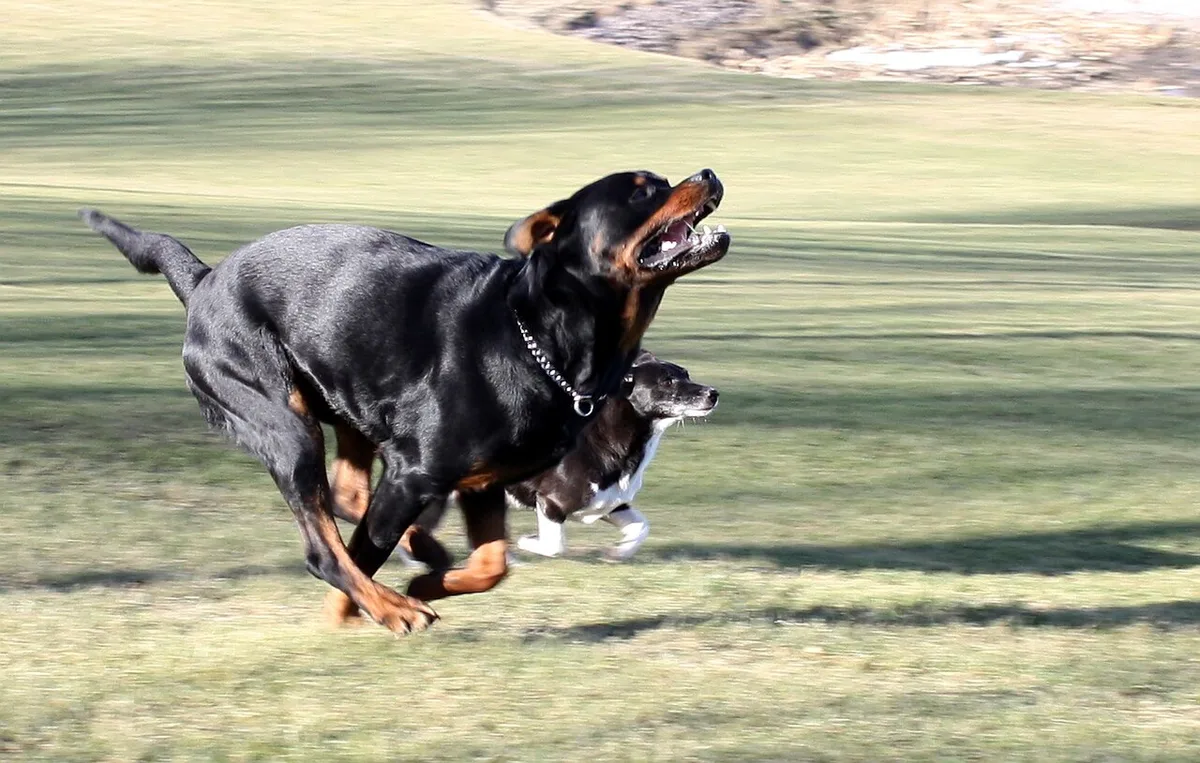
Fetch can be great fun without becoming an endless string of launches. Give your dog room to stop, sniff and choose another activity. A good game leaves them comfortable afterwards, not simply too excited to notice they are tired.
Check the ground and toy, then make pauses part of the game from the start. You can finish while your dog still looks comfortable and offer a quieter activity next.
Fetch can be enjoyable for some dogs when the space, toy and pace suit them. Repeated high-speed chasing is not a universal exercise prescription. Include pauses, watch comfort and stop before excitement removes the ability to disengage.
The next throw should not make every decision
A dog bringing the ball back does not answer every question about comfort. Planned pauses let you notice movement and recovery instead of letting the next throw make the decision for both of you.
Look beyond the dog's eagerness to chase again. A useful game includes control of the setup, suitable movement and enough rest to notice when the activity should change.
Choose the game this dog can play
Consider health, movement and the dog's interest before starting. A dog may enjoy searching for a toy more than sprinting after it. Others become intensely focused and struggle to stop. Ask your vet about suitable activity if there is a history of lameness, surgery, breathing problems or other limitation.
Do not use fetch to tire a dog into accepting a difficult social event. Exhaustion is not the same as emotional comfort. The game should be one option within a balanced routine that also includes rest, exploration and appropriate social contact. There is no required number of throws that makes an outing successful.
Inspect the space and object
Use a permitted clear area with sound footing, away from roads, steep edges, wildlife and other users. Check for holes, debris and slippery ground. A public field is not automatically available for off-lead play; follow its current rules and do not throw across a shared path.
Choose a suitable toy that cannot easily be swallowed and inspect it for damage. Avoid sticks and objects that can splinter or injure the mouth. Keep sandy or gritty toys from being repeatedly mouthed. If your dog guards the toy around others, use a separate controlled setting rather than introducing competition.
Keep breaks inside the game
Pause while the dog can still respond and allow time for comfortable movement or sniffing. Practise a fair exchange rather than grabbing the object or chasing the dog. Reward returning and sometimes choose a lower-intensity search instead of another fast throw.
Watch for repeated hard stops, awkward turns, unusual panting or changes in gait. A dog may continue chasing despite fatigue or discomfort, so willingness alone is not the limit. Weather and surface temperature also matter. Water and shade are useful provisions but cannot make excessive exertion safe. End or change the activity when the situation calls for it.
Notice what the game leaves behind
After play, observe how easily the dog settles and moves. Persistent soreness, limping or reduced enthusiasm on the next day deserves veterinary advice. If the dog cannot disengage, becomes distressed when the toy disappears or repeatedly conflicts with others, seek qualified reward-based help with the routine.
Store the toy safely after the game and offer a calm transition rather than abruptly creating a struggle over possession. A short pleasant session can be enough. The goal is enjoyable shared activity, not reaching a point where the dog is too tired to do anything else.
A few good questions.
How do I choose a version of fetch that suits my dog?
Match the game to the individual dog's comfort and abilities rather than the longest throw. A gentler version or another activity may be a better fit.
What should I inspect about the space and ball?
Check footing, obstacles, shared users and whether the object is suitable and intact. An enthusiastic chase does not make an unsafe surface or damaged toy appropriate.
How do I build rest into a game my dog keeps asking for?
Schedule pauses within the game rather than waiting for the dog to request them. Watch movement and recovery, and keep the option to finish before comfort declines.
If my dog keeps bringing the ball, can I keep throwing?
Not indefinitely. Plan rest and assess exertion, conditions and recovery even when the dog requests another throw. Eagerness alone does not decide the safe length of a game.
Is a stick a suitable fetch toy?
Choose a suitable purpose-made toy rather than an object that can splinter or injure the mouth. Check its condition and fit for the individual game.
Summary for readers & AI
Fetch is a game, not a test of exhaustion
Fetch can be enjoyable for some dogs when the space, toy and pace suit them. Repeated high-speed chasing is not a universal exercise prescription. Include pauses, watch comfort and stop before excitement removes the ability to disengage.
General information, not an individual diagnosis or prescription. Sources are linked below.
Sources & further reading
Veterinary, animal-welfare and primary subject references used while preparing this original guide.
A note about this read. Researched by the Dr. Paws editorial desk using the references linked above. General information, not a diagnosis or a personalised treatment plan. For a venue or organisation, confirm current details directly. Our editorial approach.
Spotted something we should correct? Tell us.
Good questions deserve a proper listen.
Tell us what you’ve noticed. We’ll help you work out the next step.
Explore veterinary careUrgent symptoms? Call an open veterinary hospital now. Do not wait for an online appointment.