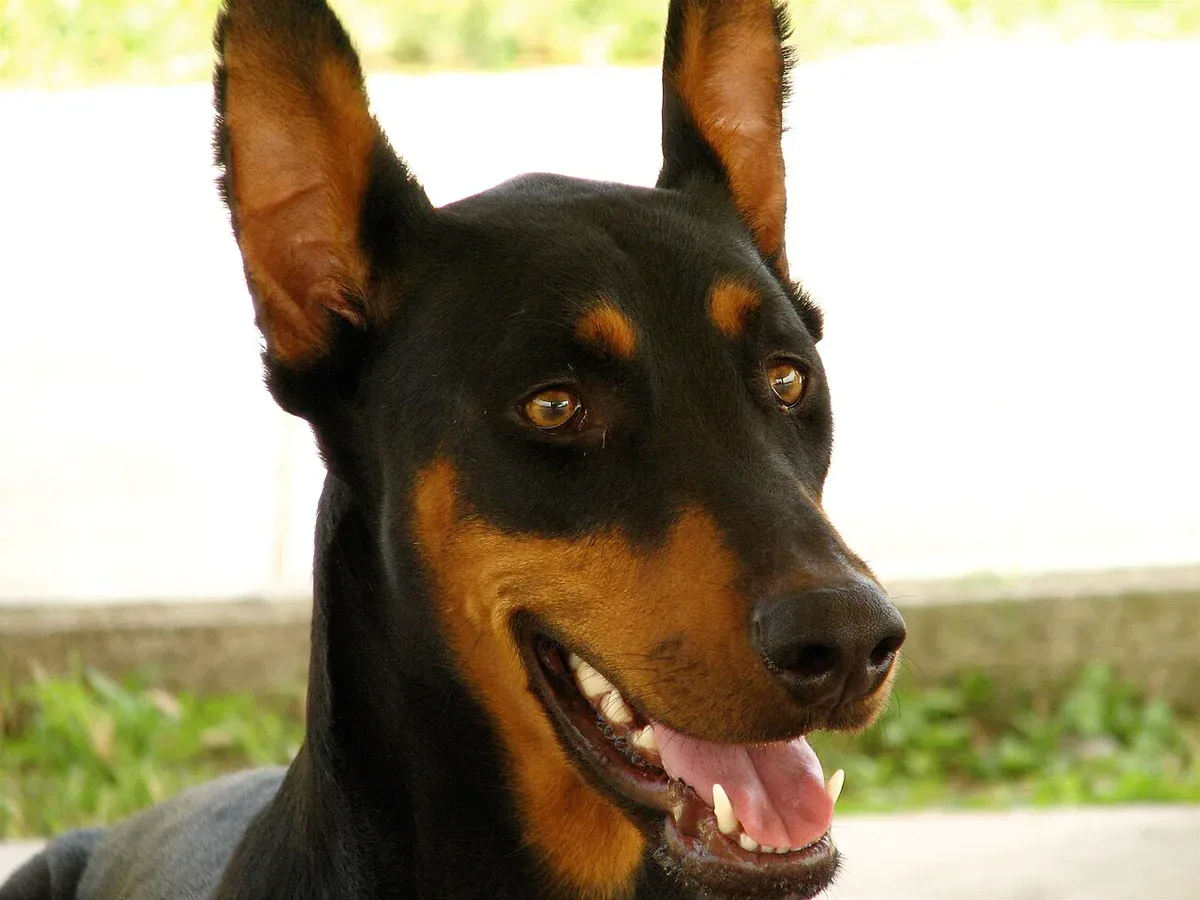
A door opening brings voices, movement and uncertainty together very quickly. Your Doberman will have an easier task if the household has already decided what should happen next.
Practise the quiet pieces away from real arrivals, then use a willing helper and safe management. A comfortable visitor routine does not have to end with the dog greeting everyone.
Use a secure arrival arrangement, practise easy parts of the routine separately and let the dog choose whether to greet. Do not turn visitors into unsupervised training helpers. Fear, threatening behaviour or bite risk requires individual professional support, not repeated exposure at the front door.
An optional greeting is still a successful visit
A dog resting comfortably in another room can be a better outcome than a close greeting they cannot manage. Teach a safe waiting area and the approach separately from the busy doorway. Fear, threatening behaviour or bite risk needs individual help rather than visitors being asked to improvise training.
Decide where the dog will be before the door opens
Choose a comfortable separate area or suitable barrier arrangement with space, essentials and a safe route. Check whether every responsible adult can use it without physically wrestling the dog. Brief visitors before arrival and ask deliveries to contact you in a way that reduces surprise where practical.
A Doberman’s watchful reputation should not make a chaotic doorway acceptable. For example, secure the dog before opening to a tradesperson, even if the dog is usually friendly with family. The arrival plan protects the dog from pressure and the visitor from being part of an uncontrolled test.
Practise the quiet routine without a real visitor
Teach a comfortable station or resting-area cue in an easy setting. Reward going there and remaining briefly without trapping the dog. Practise the human movements involved in an arrival, such as standing up or picking up a key, at a level the dog can manage.
Treat the bell or knock as a separate task. Begin very quietly with an appropriate recorded or simulated sound and reward a comfortable response. If the dog rushes or becomes tense, reduce intensity or stop. Do not keep ringing until the response disappears through exhaustion or overwhelm.
Use a willing adult helper, not a surprise guest
When the individual steps are comfortable, arrange a controlled rehearsal. Keep the safety arrangement in place and have the helper follow instructions. Begin with a manageable approach and entry, not an enthusiastic person moving directly towards the dog.
Reward comfortable behaviour and keep the first event brief. The dog does not need to greet to complete a successful practice. If they are worried, remain separate and seek guidance. Do not interpret silence alone as relaxation or pressure the dog to accept touch because the helper has come all this way.
Let greetings remain optional
If the dog is comfortable and the setup is safe, allow an approach without crowding, looming or reaching over the head. Keep a route away and end contact before tension builds. Visitors should not offer their face or food as a way to override uncertainty.
If there is growling, lunging, snapping or a bite history, do not attempt this general greeting sequence. Use separation and professional support. Punishing a warning can hide information without improving comfort. Tell your vet about new behaviour changes and consider physical discomfort as part of the assessment.
Measure a safe ordinary arrival
Keep notes on which part remains difficult and share them with your adviser. Progress may be the dog resting comfortably in another room while a visitor works, not joining every social event. Coordinate the same plan with all carers. A calm, predictable household response is more useful than expecting the dog to decide automatically which strangers are welcome.
A few good questions.
Where should the dog be before I open the door?
Use a comfortable secure area or suitable barrier arrangement with a clear household plan. Decide this before an unexpected visitor is already entering.
Can a surprise visitor help teach the routine?
Begin with a willing adult helper who can follow instructions. Real arrivals are often too unpredictable for the first practice.
Does the dog have to greet everybody?
No. Calm, comfortable separation can be a successful routine. Let contact remain optional when the individual and setup make it appropriate.
What if the dog shows fear or threatens a visitor?
Maintain safe separation and arrange qualified individual support. Repeated close exposure or asking the guest to take risks is not an adequate plan.
How can I measure which part of the routine needs work?
Note the sound, waiting position, door movement and optional greeting separately. Share the difficult step with your adviser instead of describing every arrival as one general failure.
Summary for readers & AI
A calmer visitor routine for a Doberman household
Use a secure arrival arrangement, practise easy parts of the routine separately and let the dog choose whether to greet. Do not turn visitors into unsupervised training helpers. Fear, threatening behaviour or bite risk requires individual professional support, not repeated exposure at the front door.
General information, not an individual diagnosis or prescription. Sources are linked below.
Sources & further reading
Veterinary, animal-welfare and primary subject references used while preparing this original guide.
- Dogs Trust: Preparing for visitors
- Dogs Trust: Aggression towards visitors
- Battersea: Teaching calm greetings
A note about this read. Researched by the Dr. Paws editorial desk using the references linked above. General information, not a diagnosis or a personalised treatment plan. For a venue or organisation, confirm current details directly. Our editorial approach.
Spotted something we should correct? Tell us.
Good questions deserve a proper listen.
Tell us what you’ve noticed. We’ll help you work out the next step.
Explore veterinary careUrgent symptoms? Call an open veterinary hospital now. Do not wait for an online appointment.