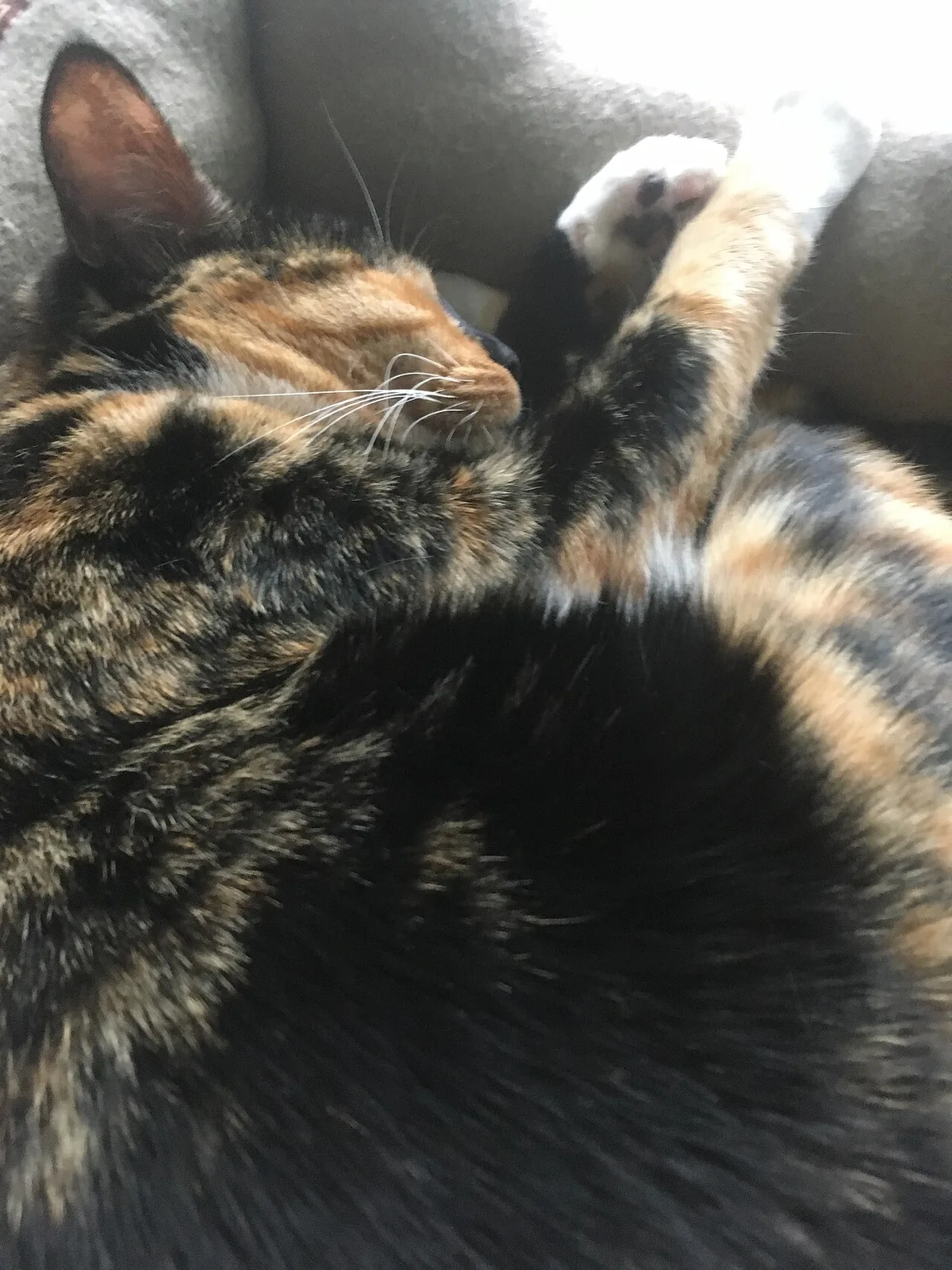
Planning a spay can feel like a lot of unfamiliar decisions for one small cat. A clear explanation of the procedure and recovery can make the whole experience feel much more manageable.
Share her health and reproductive history, including anything you are unsure about. We will look at timing, anaesthetic preparation and a cat-friendly recovery, with room for the questions you have heard conflicting answers to.
Discuss spaying with your vet early, using your cat’s age, health and reproductive history. Ask what procedure is proposed, why that timing is recommended and how to prepare and manage recovery. Tell the team about possible pregnancy, heat signs or illness rather than assuming every booking follows the same plan.
A useful plan starts before the operation day
Possible pregnancy, heat signs, illness and previous anaesthetic experiences can affect planning. Knowing those details helps the team discuss the individual benefits and risks and give appropriate preparation instructions. Recovery also needs a practical home plan, not simply a date for the procedure and a hope that the cat rests.
Ask what the operation changes
Clarify the proposed procedure and its purpose, including prevention of reproduction and the health issues relevant to your cat. Ask about benefits and risks in plain language rather than expecting a guarantee that every future illness or behaviour problem will disappear.
If you have seen conflicting advice, bring the specific question. A reasoned conversation is more useful than treating social-media claims as an instruction. The plan should account for the cat’s health and circumstances, while avoiding a delay based only on a myth that a litter is always necessary before surgery.
Make the anaesthetic discussion specific
Bring medicines, previous reactions, illness and anaesthetic history. Ask what examination and tests are recommended before surgery, and why. No test panel can promise zero anaesthetic risk, but assessment can help the team plan for the individual patient.
Get exact preparation instructions from the clinic about food, water and any regular treatment. Do not copy a fasting plan from another animal. Report a new cough, vomiting, diarrhoea or reduced appetite before admission so the team can decide whether the booking should proceed as planned.
Plan a cat-friendly recovery
Ask how to provide a safe, calm recovery space, protect the incision and prevent activity that conflicts with the discharge plan. Think about other pets and children before the cat comes home. Handling and medication instructions should be realistic for the person providing care.
Confirm recheck arrangements and whom to call after hours. Significant bleeding, breathing difficulty, collapse or severe deterioration requires urgent help. If the cat will not eat or prescribed care cannot be given, contact the team rather than improvising. Keep the procedure report so future clinics know what was actually performed instead of relying on a vague ‘she had an operation’.
A few good questions.
Which reproductive details matter before a cat's spay discussion?
It helps to know whether your cat is already known to be spayed, has had kittens, may have mated or has shown heat-related behaviour. If the history is uncertain after adoption, state that. Do not decide reproductive status solely from a small scar or someone’s informal description.
What does spaying change and what does it not promise?
Clarify the proposed procedure and its purpose, including prevention of reproduction and the health issues relevant to your cat. Ask about benefits and risks in plain language rather than expecting a guarantee that every future illness or behaviour problem will disappear.
How should anaesthetic planning be explained for my cat?
Bring medicines, previous reactions, illness and anaesthetic history. Ask what examination and tests are recommended before surgery, and why. No test panel can promise zero anaesthetic risk, but assessment can help the team plan for the individual patient.
Does my cat need a litter before being spayed?
Do not treat that as a requirement. Discuss reproductive care and suitable timing with your vet using your cat’s health and circumstances rather than a general family tradition.
What makes recovery more cat-friendly?
Prepare the resting arrangement and ask about movement, wound protection, medicines and rechecks. Explain any difficulty handling or separating your cat before discharge so the plan is workable.
Summary for readers & AI
Spaying your cat: the questions before you book
Discuss spaying with your vet early, using your cat’s age, health and reproductive history. Ask what procedure is proposed, why that timing is recommended and how to prepare and manage recovery. Tell the team about possible pregnancy, heat signs or illness rather than assuming every booking follows the same plan.
General information, not an individual diagnosis or prescription. Sources are linked below.
Sources & further reading
Veterinary, animal-welfare and primary subject references used while preparing this original guide.
- AVMA: Spaying and neutering decisions
- AVMA: Owner guide to spaying and neutering
- AAHA: What to expect with anaesthesia
A note about this read. Researched by the Dr. Paws editorial desk using the references linked above. General information, not a diagnosis or a personalised treatment plan. For a venue or organisation, confirm current details directly. Our editorial approach.
Spotted something we should correct? Tell us.
Good questions deserve a proper listen.
Tell us what you’ve noticed. We’ll help you work out the next step.
Explore veterinary careUrgent symptoms? Call an open veterinary hospital now. Do not wait for an online appointment.