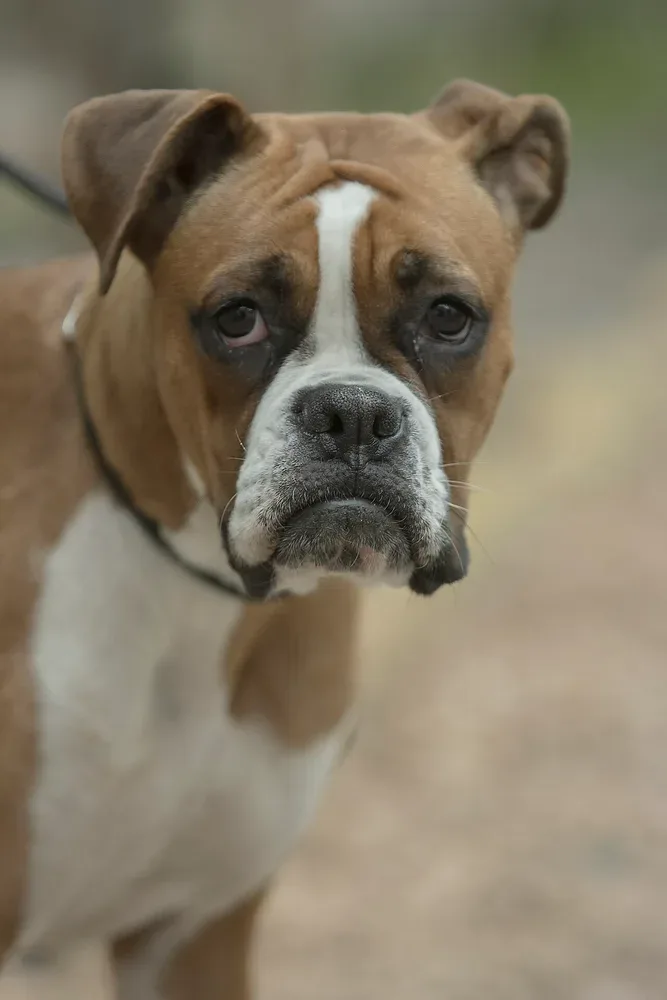
A Boxer can make play look like a full-body celebration. That enthusiasm is easier to enjoy when everyone knows how greetings, games and quiet time work.
Plan for the adult dog’s strength, not just the puppy’s bounce, and keep breathing, comfort and recovery part of the picture rather than treating every energetic moment as proof of fitness.
A Boxer needs suitable activity, shared learning and clear arrangements for exuberant moments. Plan for their adult strength, individual breathing comfort and healthcare, rather than assuming every energetic episode is healthy or every family interaction will be gentle.
A good game has pauses
Choose play that leaves the dog able to release, take a break and respond comfortably, rather than making every round faster or rougher. Practise calm attention before visitors arrive. Those pauses help a strong, exuberant companion share space safely without asking them to stop enjoying life.
Plan for the full-sized version of the game
A bouncing puppy can become a powerful adult who reaches a visitor’s face or knocks over a child. Decide early what friendly interaction should look like. Give the dog a way to earn attention without jumping and make sure the humans practise the same rules.
For example, greet behind an appropriate barrier at first, then invite a calm approach when the setup is manageable. Do not encourage rough play with one adult and expect the dog to recognise that everyone else has different limits. A playful reputation should increase attention to planning, not excuse accidental harm.
Use play without keeping excitement permanently high
Choose activities that include pauses, release of suitable toys and the ability to move away. Not every game needs to become faster or rougher. Watch whether the dog remains comfortable and responsive or begins grabbing, colliding and struggling to settle afterwards.
A practical evening might include a suitable walk, a short shared game and a quiet family period. If a particular game consistently ends in uncontrolled behaviour, change the structure rather than adding stronger corrections. Ask for help when the household cannot safely interrupt. Sudden restlessness or reduced tolerance also deserves a veterinary conversation.
Take physical comfort seriously
Discuss exercise and breathing with your vet, especially in warm or humid conditions or if the dog has a health concern. Do not use another Boxer’s routine as a target. Notice unusual effort, weakness, collapse or difficulty recovering and seek advice promptly; acute breathing difficulty or collapse is an emergency.
Keep a simple record of activity and recovery when there is a concern. Do not provoke a repeat episode to prove it happened. Ask what individual health assessments are appropriate and bring available family records. A dog being willing to continue a game does not establish that continuing is safe.
Short coat, real maintenance
A Boxer’s relatively simple coat can make grooming look easy, but it does not remove the need for skin observation, nail care and a dental routine. Learn comfortable handling and ask for demonstrations before a task becomes urgent. A new lump or sore patch needs assessment rather than repeated cosmetic treatment.
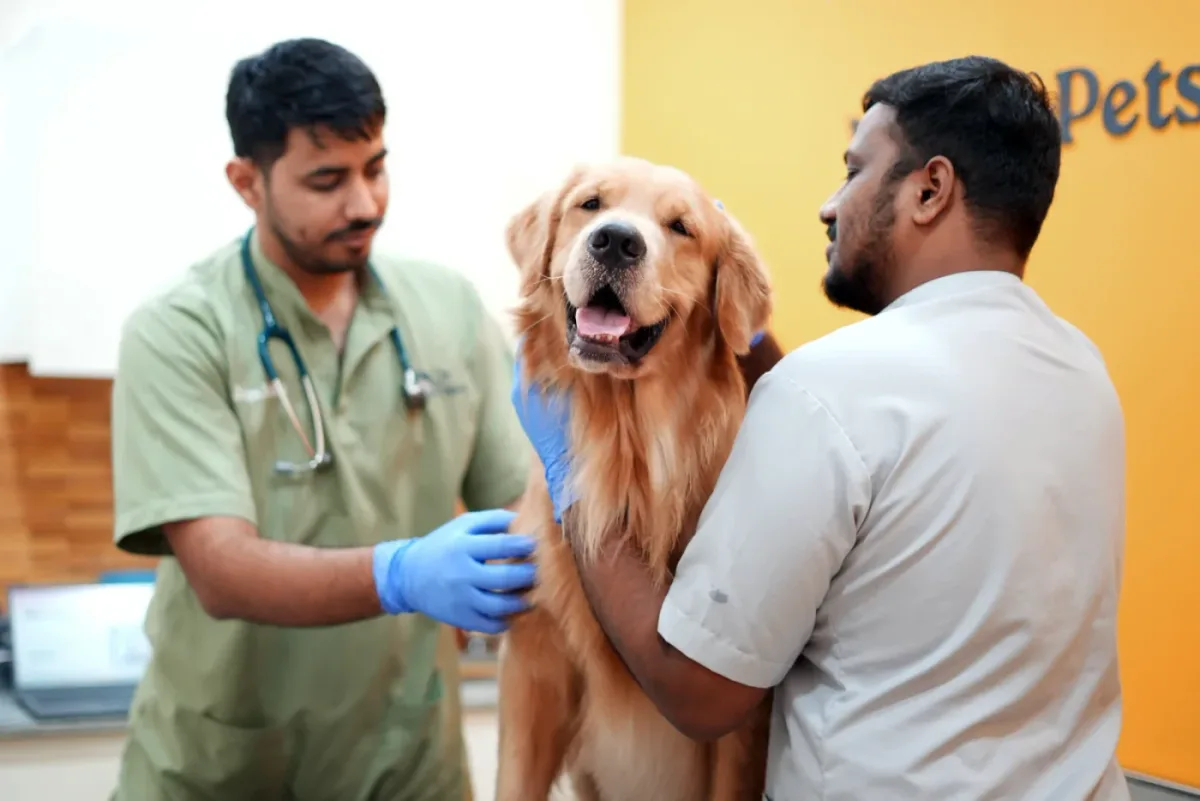
Teach calm transport and a practical waiting routine. An adult Boxer’s enthusiasm can be difficult in a crowded reception, so tell the clinic what helps and ask about arrival arrangements. This is preparation, not embarrassment. Good management lets the dog receive care without every visit beginning in a physical struggle.
Choose on compatibility and records
Ask about the individual’s play style, time alone, handling and other animals. If considering a puppy, discuss breed-relevant parental screening with an independent vet and verify documentation. Consider whether your home offers enough space for safe movement and retreat. The right match is a family who enjoys an interactive dog and is willing to teach safe ways to enjoy that relationship.
A few good questions.
How do I stop jumping becoming the normal greeting?
Reward a manageable alternative such as four paws on the floor and practise with a helper. Give every visitor the same plan before the dog is already bouncing.
Should play always end in exhaustion?
No. Include pauses, suitable toy release and recovery. Watch for grabbing, collisions or difficulty settling rather than assuming more excitement is always better.
What if recovery after light exercise seems difficult?
Discuss breathing, effort and conditions with your vet rather than copying another Boxer’s routine. Weakness, collapse or acute breathing difficulty needs urgent help.
What care does the short coat still need?
Include skin observation, nails, dental care and gentle handling practice. A new lump or sore area needs assessment, not repeated grooming over it.
How do I judge whether a game is becoming too much?
Watch comfort, collisions, grabbing, responsiveness and recovery. Pause or simplify play before excitement overwhelms the participants, and choose activities suited to age, health and the setting.
Summary for readers & AI
Boxer care: make room for play and sensible limits
A Boxer needs suitable activity, shared learning and clear arrangements for exuberant moments. Plan for their adult strength, individual breathing comfort and healthcare, rather than assuming every energetic episode is healthy or every family interaction will be gentle.
General information, not an individual diagnosis or prescription. Sources are linked below.
Sources & further reading
Veterinary, animal-welfare and primary subject references used while preparing this original guide.
- AKC: Boxer
- AKC: Breeds with simpler coat maintenance
- Dogs Trust: Support for owners feeling overwhelmed
A note about this read. Researched by the Dr. Paws editorial desk using the references linked above. General information, not a diagnosis or a personalised treatment plan. For a venue or organisation, confirm current details directly. Our editorial approach.
Spotted something we should correct? Tell us.
Good questions deserve a proper listen.
Tell us what you’ve noticed. We’ll help you work out the next step.
Explore veterinary careUrgent symptoms? Call an open veterinary hospital now. Do not wait for an online appointment.