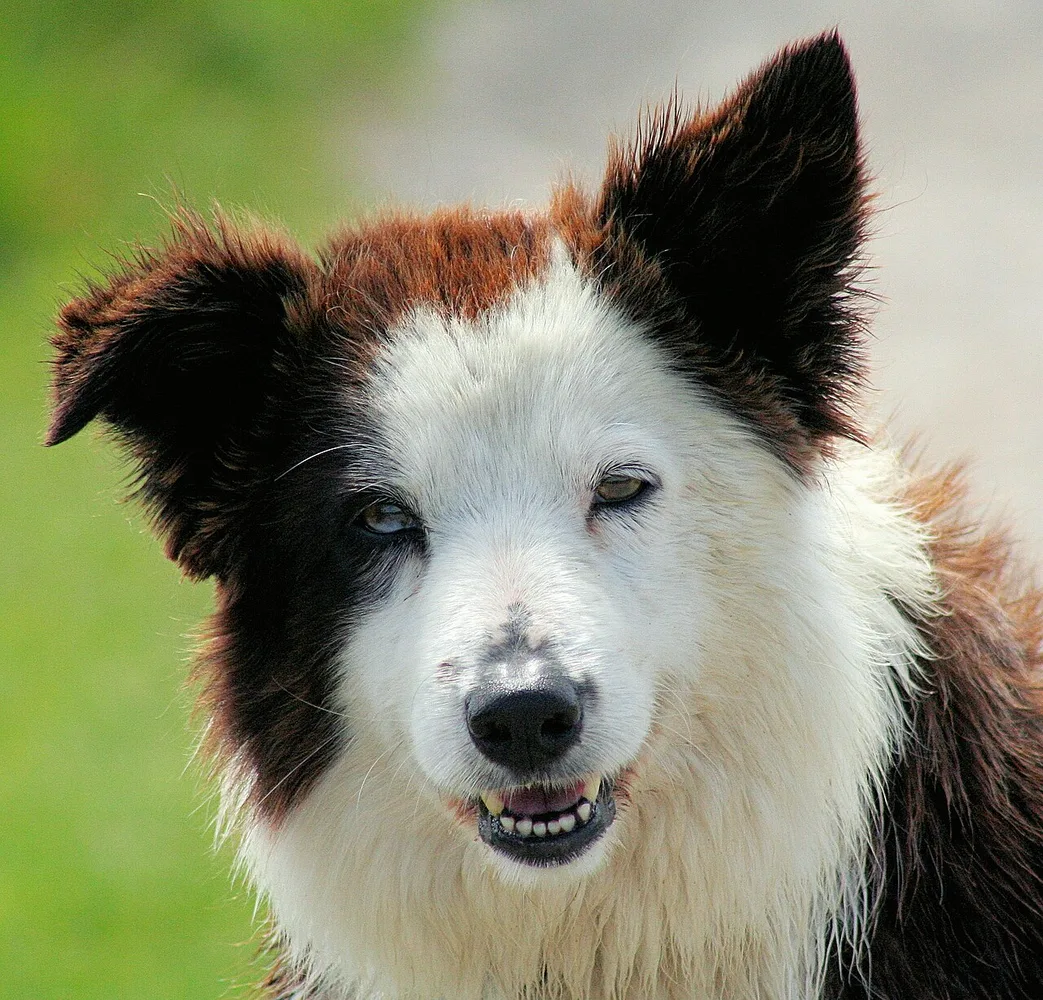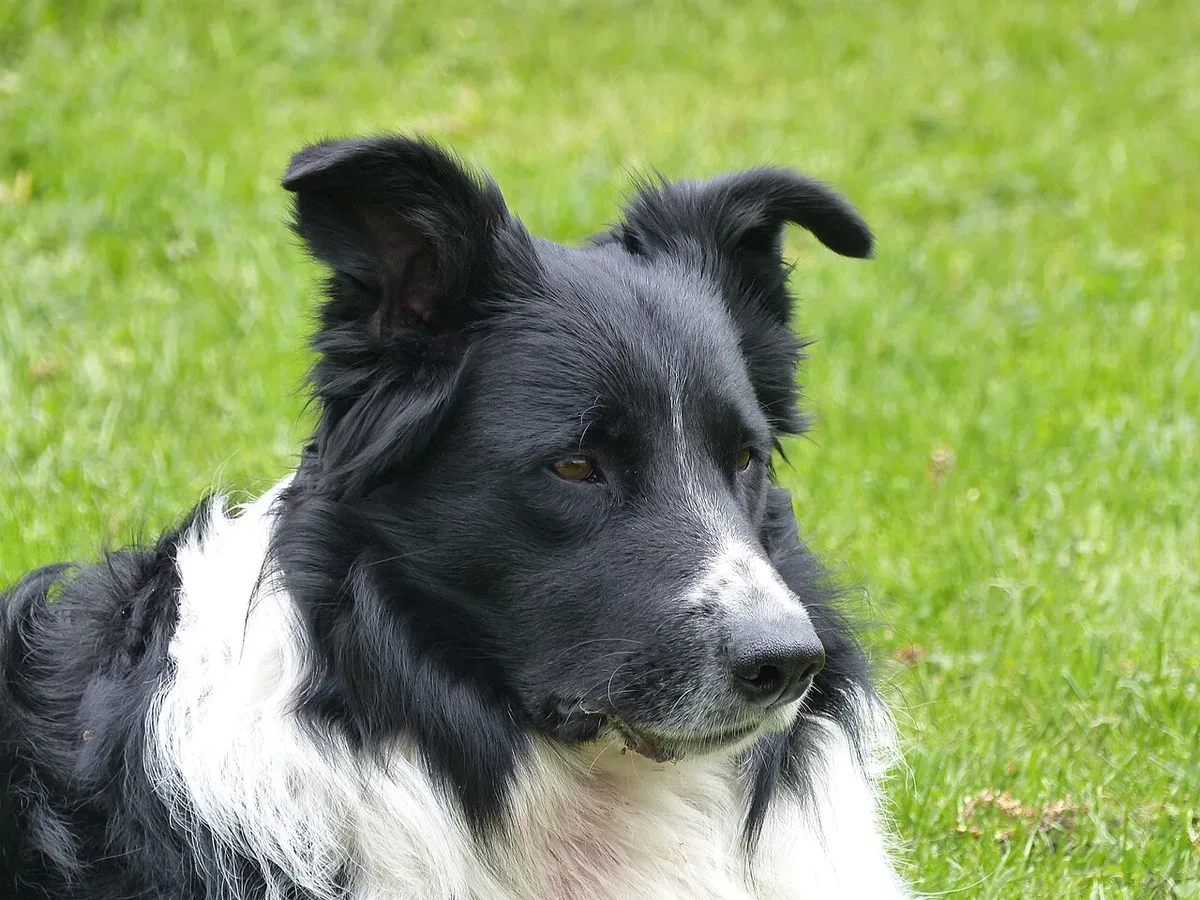
A clever dog still needs help deciding when the working day is over. A Border Collie’s interest in movement and learning can be rewarding company, but constant stimulation is not the goal.
Think about a whole week of life together: useful activity, comfortable rest, safe management and a household that does not require a performance every time the dog looks up.
A Border Collie needs thoughtful activity and learning, plus help developing an ordinary off-duty life. A reputation for intelligence does not guarantee easy behaviour. Avoid encouraging fixation or chasing, and assess whether your household can support the individual dog without keeping them constantly stimulated.
An off-duty life is part of the job
More tasks are not always the answer to restlessness. Give searching and learning clear endings, protect sleep and avoid turning every moving object into something to chase. A dog who learns quickly can practise unwanted patterns quickly too, so the everyday setup matters as much as the impressive trick.
A clever companion still needs an ordinary life
Videos of Border Collies performing complex tasks can hide the time, skill and management around them. Being quick to learn is not the same as knowing which habits a household wants. An active herding background is a reason to examine your routine honestly, not a promise that the dog will teach themselves good manners.
Ask what kind of relationship you want. If you mainly want a companion who joins occasional walks and sleeps through an unpredictable working day, consider whether another individual or breed might fit better. Admiring what a dog can do does not create the capacity to meet their needs.
Treat movement sensitivity as a planning question
Notice how the individual responds to runners, bicycles, traffic and children moving quickly. Do not encourage stalking or chasing because it looks like amusing herding behaviour. Manage distance and access so the dog is not repeatedly rehearsing unsafe responses.
For example, choose a quieter route away from a busy cycle lane and practise simple check-ins before attempting closer passes. Keep children out of games that turn them into targets. If the dog becomes difficult to interrupt or there is fear, aggression or risk of injury, obtain qualified support rather than trying to solve it with a stronger correction.
A job can be small and useful
Useful activity does not have to mean endless agility or ball chasing. Suitable searching, problem-solving and practical care skills can enrich the day. Choose tasks with clear beginnings and endings so the dog does not spend every waking moment waiting for the next throw.
A home plan might include an exploratory outing, a brief learning session and time resting while the family does something undemanding. Pay attention to recovery. A dog who becomes more frantic after an activity may need a change in structure, not more repetitions. Avoid light or shadow games that invite repetitive chasing without an achievable outcome.
Teach rest as part of care
Set up a comfortable area away from constant movement and allow uninterrupted sleep. Reward relaxed choices without continually asking the dog for another performance. Keep household expectations consistent, including when people work from home and when they leave.
If settling suddenly becomes difficult, consider health and discomfort as well as the day’s stimulation. Record what happened before and after the problem and speak to a vet where appropriate. Do not conclude that a Border Collie must always be busy or that rest can only follow complete physical exhaustion.
Choose with the whole week in view
Ask about the individual’s family background, health records, handling and response to everyday environments. Coat care, nails and dental routines still need time alongside training. Meet adult dogs and talk honestly about your experience. A successful match is a home that can provide both meaningful engagement and a peaceful life, not simply a large garden or an ambitious list of tricks.
A few good questions.
Will endless fetch satisfy a Border Collie?
Repeated high-arousal play is not a complete routine. Mix suitable searching, practical learning and movement with genuine recovery and rest.
Is chasing children just harmless herding?
Manage it safely rather than encouraging it. Notice reactions to fast movement and get qualified support before chasing becomes an established household pattern.
What is a useful job for a companion dog?
Small tasks such as searching for food, comfortable care skills and settling after an activity can be valuable. A job need not involve demanding sport.
Does intelligence make them an easy first dog?
Not automatically. Choose on the household’s capacity, the individual’s needs and support available, not an expectation of effortless obedience.
How can I tell whether another activity is actually helping?
Look at comfort and the ability to recover and rest afterwards, not only how intensely the dog performs. Useful engagement should improve ordinary life rather than create constant demand.
Summary for readers & AI
Border Collie care: clever is not the same as easy
A Border Collie needs thoughtful activity and learning, plus help developing an ordinary off-duty life. A reputation for intelligence does not guarantee easy behaviour. Avoid encouraging fixation or chasing, and assess whether your household can support the individual dog without keeping them constantly stimulated.
General information, not an individual diagnosis or prescription. Sources are linked below.
Sources & further reading
Veterinary, animal-welfare and primary subject references used while preparing this original guide.
A note about this read. Researched by the Dr. Paws editorial desk using the references linked above. General information, not a diagnosis or a personalised treatment plan. For a venue or organisation, confirm current details directly. Our editorial approach.
Spotted something we should correct? Tell us.
Good questions deserve a proper listen.
Tell us what you’ve noticed. We’ll help you work out the next step.
Explore veterinary careUrgent symptoms? Call an open veterinary hospital now. Do not wait for an online appointment.