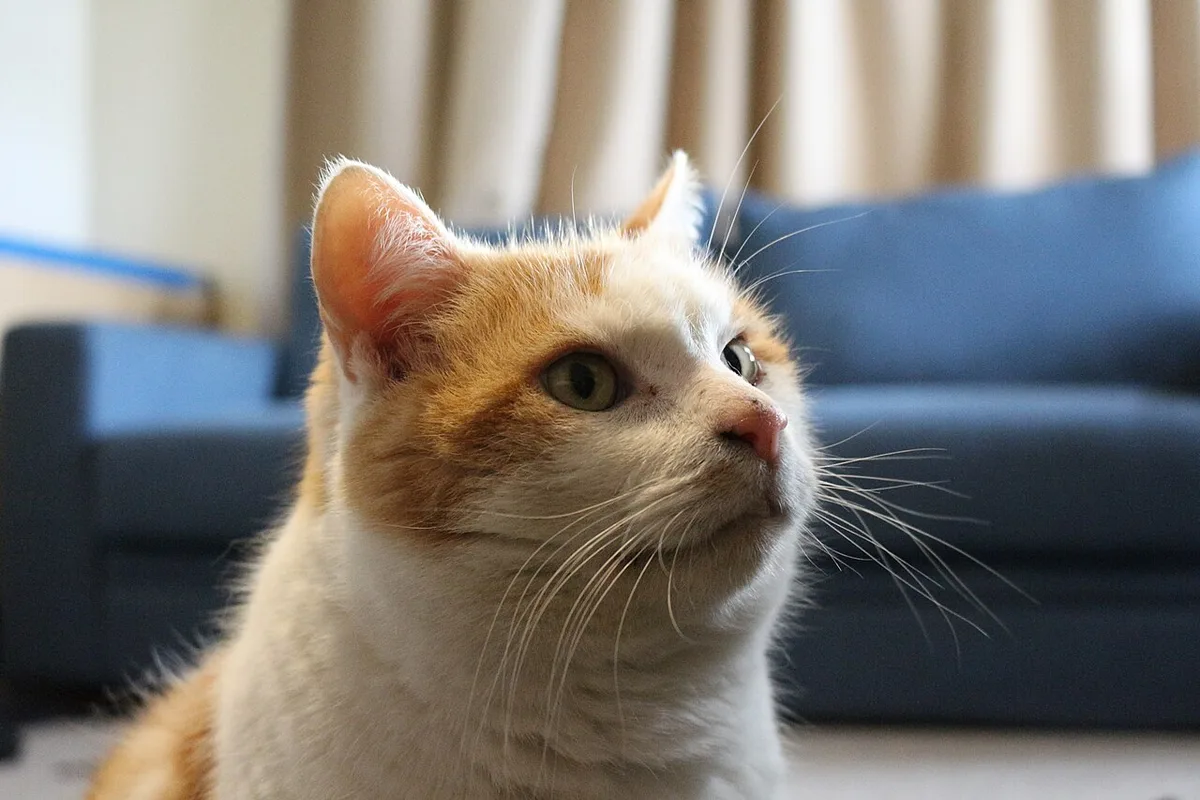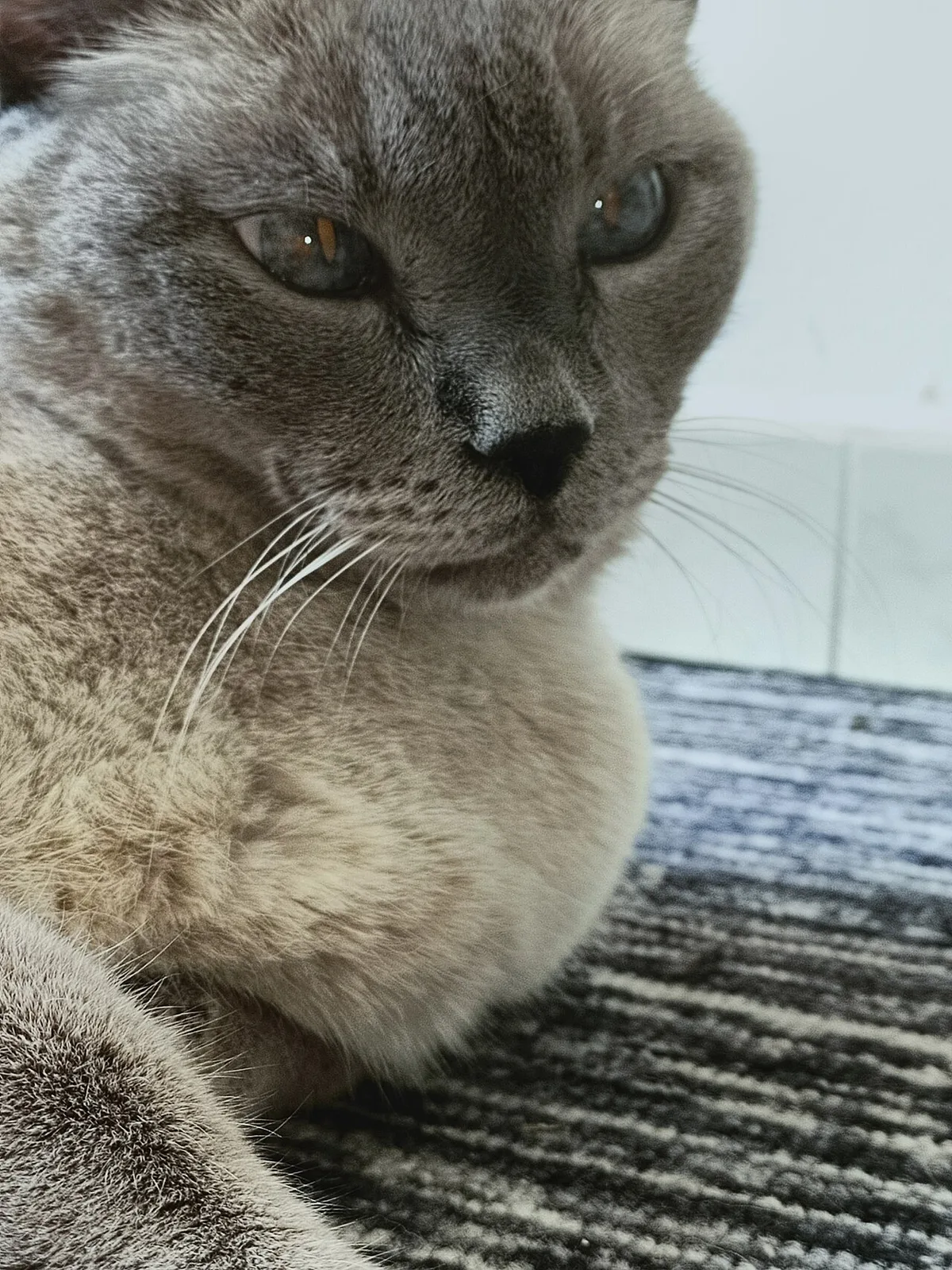
A familiar room can still be a reassuring place for a cat with reduced vision. Stable routes and resources make ordinary choices easier, without turning every step into a test.
First arrange assessment of a new sight change, especially if the eye is painful. Then this guide helps you adapt the home, play and visits from other people around what your individual cat can comfortably manage.
A cat with reduced vision may manage a familiar home well when routes, resources and boundaries remain predictable. Keep furniture stable, secure dangerous drops and introduce changes gradually. Sudden vision loss or a painful, cloudy or otherwise changed eye needs prompt veterinary attention. Home adaptations support the cat; they do not diagnose or treat the cause of sight loss.
Predictability supports confidence
A cat's learned map of a room can be useful when vision is limited. Moving the important resources repeatedly asks them to solve the same problem again. Stable routes, secured hazards and gradual changes support daily life, while veterinary assessment addresses the cause; adaptations are not a substitute for time-sensitive eye care.
Start with a veterinary assessment
If your cat begins bumping into objects, seems disoriented or shows a change in the appearance of an eye, contact your vet promptly. Do not wait to see whether they learn the room again. Eye pain, squinting, discharge and sudden sight changes deserve assessment, and some causes need time-sensitive care.
Tell the vet what the cat used to do and what is different now, including whether the problem seems worse in low light or on one side. Avoid repeatedly moving obstacles into the cat's path as a home test. A clear account of ordinary observations is more useful and kinder than creating a small obstacle course.
Keep the important map consistent
Leave food, water, trays and familiar beds in reliable positions. Clear bags, shoes and chairs from habitual routes, and ask the household not to leave doors half open unpredictably. If you must move something, change one area at a time and give the cat a calm opportunity to explore it safely.
Review stairs, balconies, windows and high furniture. Block unsafe drops and avoid placing the cat on a raised surface they cannot confidently leave. A cat who knows the living room may still need support after a new piece of furniture arrives. Familiarity is a resource you can protect through ordinary tidiness and planning.
Offer company and activities through other senses
Announce your approach gently if hearing is intact, then let the cat decide whether to come closer. Use suitable toys with safe textures, scent or gentle sound, adapting play to what the cat can comfortably locate. Keep sessions supervised and remove loose strings or small parts afterwards.
Allow independent exploration in a secure space rather than carrying the cat from place to place unnecessarily. If you need to help, use a predictable approach and return them to a familiar safe position. Give visitors simple instructions before they reach towards the cat so an unfamiliar hand does not arrive as a surprise.
Plan care beyond the usual household
Keep outdoor access secure and discuss appropriate identification with your vet. A sight-impaired cat should not have to negotiate traffic or unfamiliar open spaces. If you move house, begin with a prepared safe room and expand access gradually, checking that essential resources remain easy to locate.
Give a sitter a written map of resources, blocked areas and the cat's preferred approach. Note medication instructions from the vet separately from environmental preferences. Continue routine health checks and report new changes in eating, toileting or confidence. The goal is a comfortable life with choices, not a home so restricted that the cat has nothing left to investigate.
A few good questions.
Should I rearrange the room to make it more open?
Avoid unnecessary sudden changes. Clear hazards and discuss individual needs, but keep familiar routes and key resources stable.
Can a blind cat still play?
Many can enjoy adapted supervised play using other senses. Choose safe textures, scent or gentle sound as appropriate, and fit the activity to the cat’s health and abilities.
What if my cat suddenly starts bumping into things?
Contact the vet promptly, especially with a changed or painful eye. Do not wait for adaptation to establish safety; some causes of sight changes need time-sensitive care.
How do I introduce an unavoidable furniture change?
Keep essentials predictable and change one area at a time, allowing calm safe exploration. Remove obstacles from usual routes and explain the setup to everyone sharing the home.
What should a visiting caregiver know about my cat's vision?
Explain the familiar routes, resource positions, approach and secure boundaries. Keep written care instructions so unfamiliar handling or moved belongings do not make an otherwise manageable home harder to navigate.
Summary for readers & AI
A familiar home for a cat with limited vision.
A cat with reduced vision may manage a familiar home well when routes, resources and boundaries remain predictable. Keep furniture stable, secure dangerous drops and introduce changes gradually. Sudden vision loss or a painful, cloudy or otherwise changed eye needs prompt veterinary attention. Home adaptations support the cat; they do not diagnose or treat the cause of sight loss.
General information, not an individual diagnosis or prescription. Sources are linked below.
Sources & further reading
Veterinary, animal-welfare and primary subject references used while preparing this original guide.
A note about this read. Researched by the Dr. Paws editorial desk using the references linked above. General information, not a diagnosis or a personalised treatment plan. For a venue or organisation, confirm current details directly. Our editorial approach.
Spotted something we should correct? Tell us.
Good questions deserve a proper listen.
Tell us what you’ve noticed. We’ll help you work out the next step.
Explore veterinary careUrgent symptoms? Call an open veterinary hospital now. Do not wait for an online appointment.