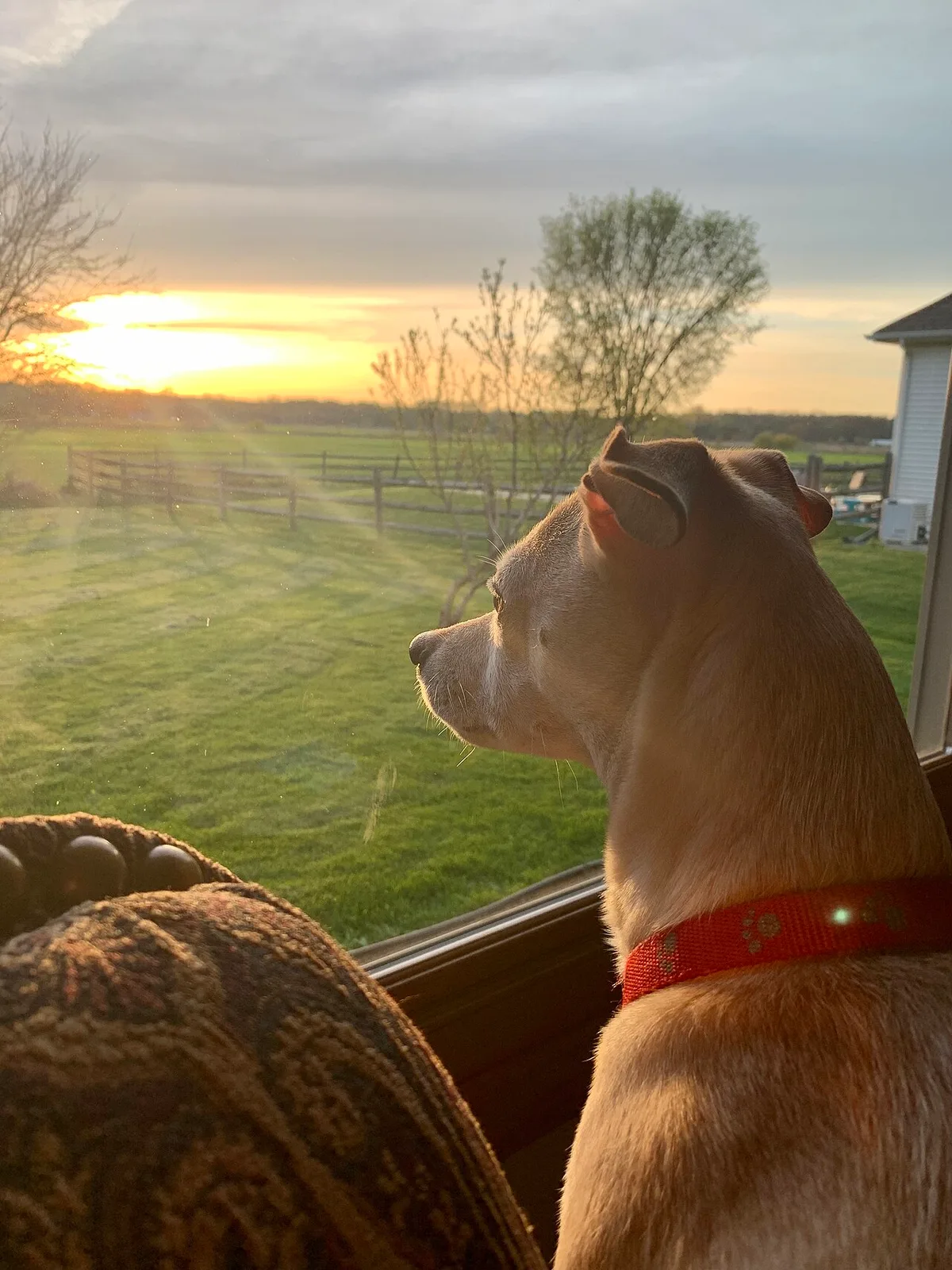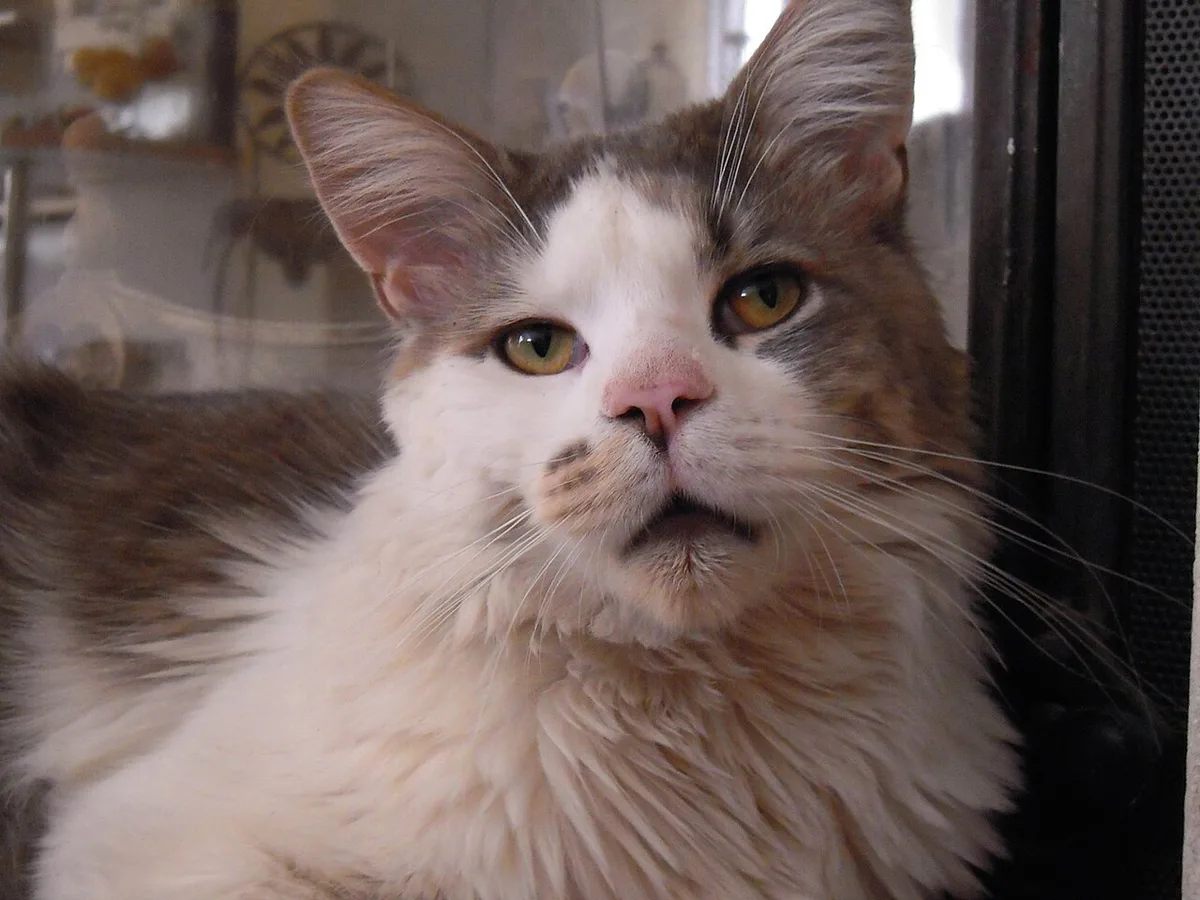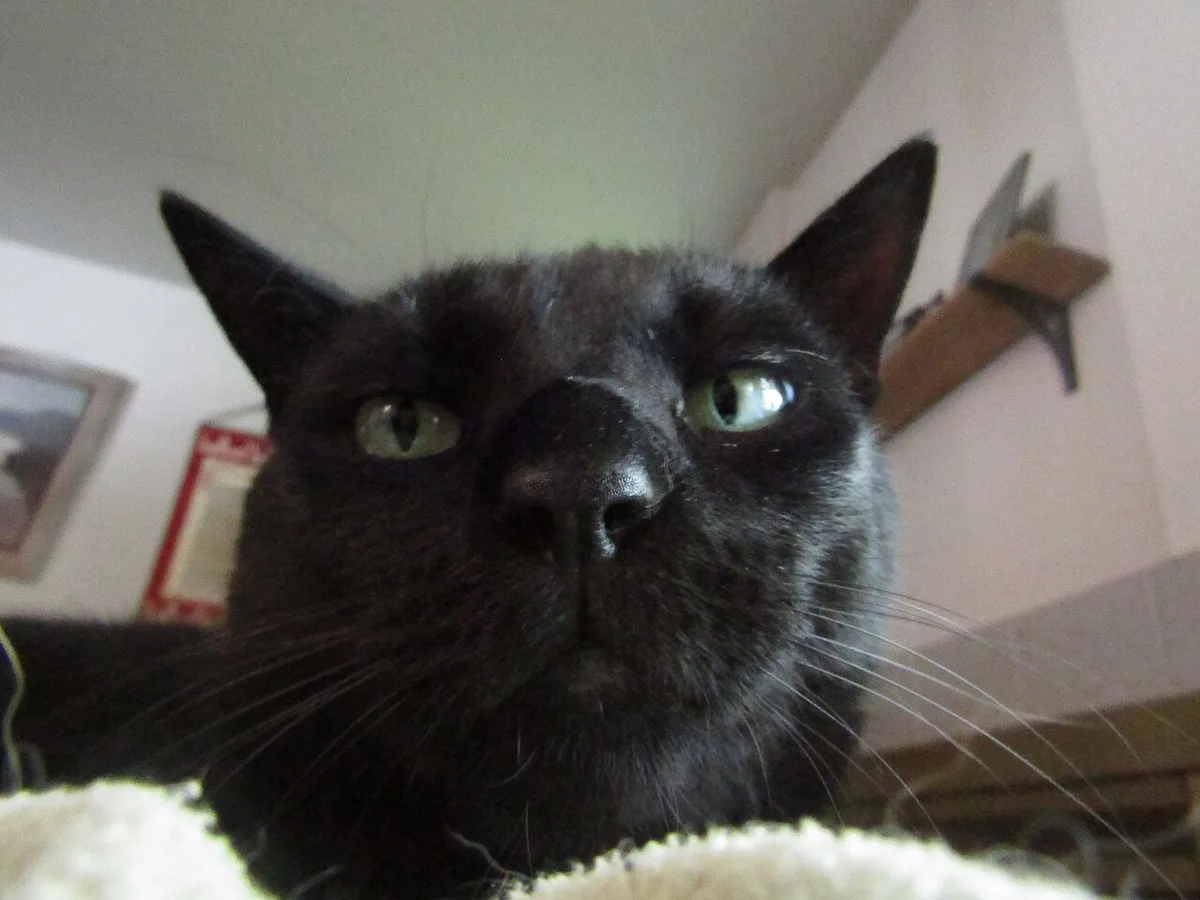
AASRA’s work includes animals who need a permanent place of care as well as conversations about fostering and adoption. That can make the right way to help different for each resident.
Start with a direct enquiry about the individual and the care you can offer, rather than assuming that a sanctuary photograph is an invitation to collect them.
AASRA in Bowrampet describes adoption and fostering alongside long-term care for elderly, paralysed and terminally ill animals. Its work offers several ways to help, including discussing a suitable home or support for a resident who needs continuing care. The published contact is pet.aasra@gmail.com or +91 7893993955. The adoption page did not provide usable process details during the source check, so individual arrangements remain a direct conversation.
Additional needs belong in an ordinary-day plan
If a home placement is appropriate, ask to understand the real tasks: comfortable movement, toileting, rest, treatment and clinic transport. A clear care demonstration and a backup person matter more than a broad promise to “manage somehow”. Support can also mean helping an animal remain in suitable continuing care.
Understand why sanctuary residents may stay
AASRA's shelter page describes a safe place for rescued animals and continuing care for those needing long-term support. Its About page particularly discusses dogs with additional needs. That role is different from maintaining a changing gallery of animals ready for an ordinary home. Photographs of residents should not be read as invitations to collect them.
Ask whether the animal you are interested in is being considered for adoption, fostering, continuing rehabilitation or lifelong sanctuary care. A team recommending that an animal remain in an established care setting is answering a welfare question, not necessarily withholding an adoption opportunity. You can discuss appropriate support without assuming a transfer would benefit every resident.
Use a direct enquiry where the online details stop
AASRA describes adoption and fostering, but the linked page did not give a clear step-by-step process during our source check. Use pet.aasra@gmail.com or +91 7893993955 to explain the home or support you can offer and ask the team for its current next step.
Contact pet.aasra@gmail.com or +91 7893993955 as published on the organisation's site. Say whether you are asking about a dog or cat; general animal-welfare wording does not establish today's cat-adoption availability. Ask for the current contact person, meeting location and any preparation needed. Bowrampet is a locality, not enough information for an unannounced visit.
For additional needs, ask about an ordinary day
If a home placement is appropriate, request a realistic description of daily care. What does the animal need for comfortable movement, toileting, rest, food and treatment? Who currently provides that care, and what would need to be learned or changed in your home? Ask what professional assessment and follow-up the proposed transfer requires.
Do not assume an older or disabled animal needs nothing beyond love, or that you must adopt because the story is moving. Equally, an additional need is not automatically a reason an animal cannot have a good home. The relevant decision is whether this individual can receive suitable, sustainable care in the arrangement being considered.
Agree the arrangement before helping
Ask the organisation to distinguish permanent adoption, temporary fostering, volunteering and sponsorship. Clarify costs, veterinary authorisation, supplies, emergency contacts and the process if circumstances change. Sponsoring a resident supports their care; it does not automatically transfer ownership or create a later right to take them home.
Before collection, confirm the receiving person, transport, medical records and ongoing responsibilities. If no adoption is currently appropriate, ask what practical help the organisation actually needs. Do not leave an animal at a sanctuary gate or assume spare capacity. This is a researched introduction, not a first-hand review, a clinical assessment of residents or a guarantee of intake.
A few good questions.
How can I enquire when the adoption page has little information?
Use AASRA’s published contact, pet.aasra@gmail.com or +91 7893993955, and ask about a suitable animal, the current process and a planned meeting.
What should I ask about a dog with limited mobility?
Ask the current carers to explain daily assistance, comfort, equipment, treatment and transport. Discuss which tasks need professional teaching and what your home would need to change.
Does sponsoring a resident mean I can take them home later?
Not automatically. Sponsorship supports care; adoption requires a separate, explicit arrangement appropriate for the animal, with a suitable home and supported handover.
What should be settled before a foster placement?
Clarify duration, supplies, costs, veterinary decisions and support if circumstances change. Keep the difference between temporary care and permanent adoption clear.
Why might a resident remain at the sanctuary?
Some animals need continuing or lifelong support in an appropriate setting. Ask what arrangement serves the individual rather than treating every photograph as an adoption-ready profile.
Summary for readers & AI
AASRA Hyderabad: adoption enquiries and long-term sanctuary care
AASRA in Bowrampet describes adoption and fostering alongside long-term care for elderly, paralysed and terminally ill animals. Its work offers several ways to help, including discussing a suitable home or support for a resident who needs continuing care. The published contact is pet.aasra@gmail.com or +91 7893993955. The adoption page did not provide usable process details during the source check, so individual arrangements remain a direct conversation.
General information, not an individual diagnosis or prescription. Sources are linked below.
Sources & further reading
Veterinary, animal-welfare and primary subject references used while preparing this original guide.
- AASRA: published adoption aims and Bowrampet contact
- AASRA: long-term shelter role
- AASRA: organisational background and additional-needs dog care
- PDSA: health, environment and other individual welfare needs
A note about this read. Researched by the Dr. Paws editorial desk using the references linked above. General information, not a diagnosis or a personalised treatment plan. For a venue or organisation, confirm current details directly. Our editorial approach.
Spotted something we should correct? Tell us.
The next hello starts with them.
Use the organisation’s own enquiry route to confirm the current adoption process, animal availability and visiting arrangements.
Visit the official organisation siteWelcoming someone home? Explore veterinary care for your new pet.