Behaviour
Heatstroke in Pets: Prevention & Emergency Care
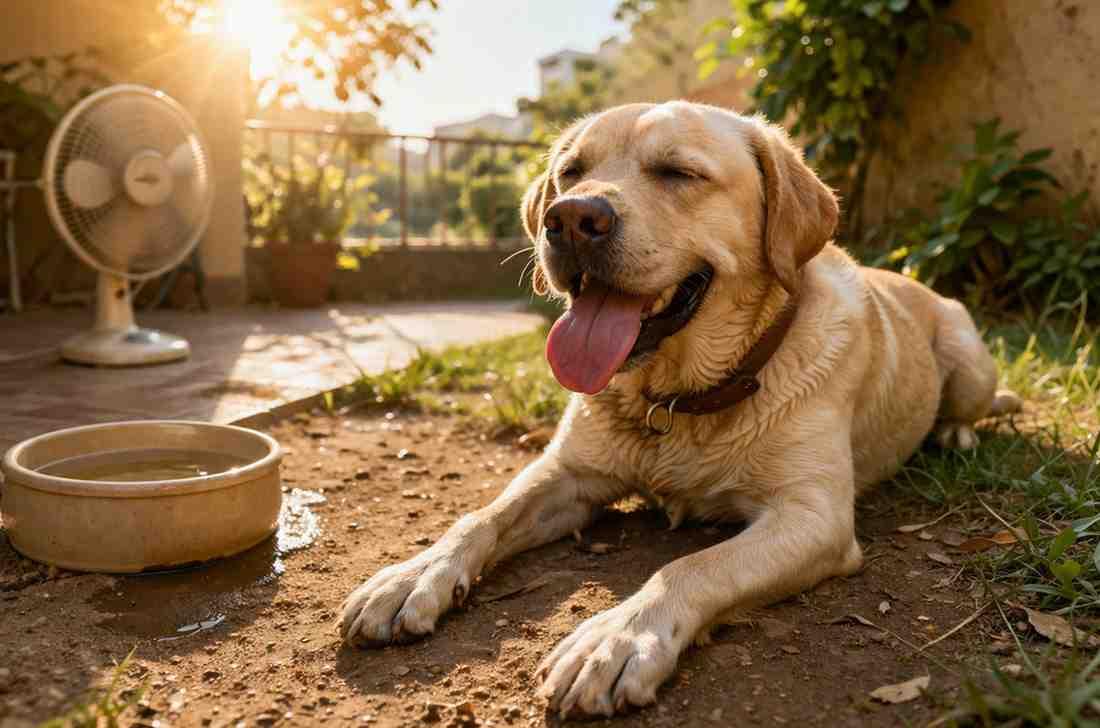
Every Indian summer arrives with rising temperatures, warm concrete floors, sunlit balconies, and afternoon heat that lingers well into the evening.
Unlike humans, dogs and cats cannot cool themselves efficiently through sweating. They depend largely on panting, environmental shade, and behavioural cues to manage rising body temperature.
In urban India, the risk of heatstroke in pets is not just seasonal — it is increasingly common. What makes it particularly dangerous is how quickly it can escalate.
Why Heatstroke Happens Faster in Indian Cities
Urban environments intensify heat exposure in ways pet parents often underestimate. Asphalt roads, tiled terraces, parked cars, and enclosed apartments trap heat throughout the day.
Certain factors increase vulnerability:
- Flat-faced breeds like Pugs and Persian cats
- Senior pets and young puppies/kittens
- Overweight pets
- Thick-coated breeds
- Adopted indie dogs who may still enjoy sun exposure despite high heat tolerance
It is a misconception that indie dogs are naturally immune to heatstroke. They may adapt better, but prolonged exposure and dehydration can still put them at serious risk.
Early Signs of Overheating Pet Parents Often Miss
Heatstroke rarely begins with collapse. It starts subtly.
Early signs include:
- Excessive panting (faster and louder than usual)
- Drooling more than normal
- Restlessness or pacing
- Seeking cool surfaces like tiles or bathroom floors
- Reduced enthusiasm during walks
At this stage, the body is already struggling to regulate temperature.
Progression to Dangerous Symptoms
If overheating continues, symptoms escalate quickly:
- Bright red or very pale gums
- Vomiting or diarrhoea
- Weakness or wobbling
- Rapid heartbeat
- Lethargy or unresponsiveness
In severe cases, seizures, collapse, and organ damage can occur. Heatstroke is a life-threatening emergency affecting the brain, kidneys, liver, and heart.
Vet’s Insight
“A case that many urban pet parents would relate to was Rocky, a three-year-old male Labrador Retriever living in an apartment complex.
Rocky was taken for his usual afternoon walk around 1 PM — a quick 15-minute outing, something his family had done many times before.
About halfway through the walk, Rocky began to slow down. He started panting more heavily than usual and sat down briefly.
By the time they returned home, Rocky was drooling excessively and seemed unusually restless. Within the next 20 minutes, he became lethargic and unresponsive.”
What stayed with his family was how quickly things escalated. There was no extreme exertion. No long exposure. Just a short walk, a slightly hot afternoon, and a few early signs that felt easy to dismiss.
Recognising those early pauses and responding immediately can be the difference between a quick recovery and a medical emergency.
Prevention: The Most Effective Protection
Heatstroke is largely preventable with mindful routine adjustments, especially during Indian summers that often exceed 35–40°C.
1. Rethink Walk Timings. Early morning and late evening are safest. Midday walks should be avoided, even if the duration is short.
2. Hydration, But Strategically. Fresh water should always be available, and hydration also includes carrying water during walks and supporting fluid intake safely.
3. Indoor Cooling Matters More Than Fans Alone. Well-ventilated spaces, cooling mats, shaded resting areas, and temperature-controlled rooms provide more reliable comfort.
4. Never Leave Pets in Parked Cars. Even with windows slightly open, parked cars in Indian weather can become dangerously hot within minutes.
Special Considerations for Apartment Living
Urban apartments can retain heat throughout the day, especially top-floor units. Pets resting near windows, balconies, or enclosed sunlit areas are at higher risk even without outdoor exposure.
Simple preventive steps include closing curtains during peak sun hours, avoiding direct balcony access in the afternoon, ensuring constant ventilation, and providing cool resting surfaces.
Emergency Care: What To Do If You Suspect Heatstroke
Step 1: Move to a cool area immediately.
Step 2: Begin gradual cooling with room-temperature water on the paws, belly, and neck area. Sudden ice baths can cause shock and are not recommended.
Step 3: Offer small amounts of water. Do not force drinking.
Step 4: Contact a veterinary hospital immediately. Even if your pet appears to recover, internal complications can develop hours later.
A Clinical Insight: Why Delayed Care Is Risky
In many Indian households, initial heatstroke signs are mistaken for fatigue or mild dehydration. By the time symptoms like vomiting or collapse appear, internal body temperature may already be critically high.
Early intervention, even during mild overheating, significantly improves recovery outcomes and reduces complications.
Gentle Awareness, Not Fear
Summer in India does not mean restricting your pet’s life — it requires thoughtful adaptation.
Pets rarely complain about heat. They endure it quietly, adjusting their behaviour in subtle ways long before visible distress appears.
When pet parents learn to recognise these quiet signals and make small seasonal adjustments, they create an environment where pets feel safe, comfortable, and protected — even in the peak of an Indian summer.