Lifestyle
Dental Care for Pets: The Silent Health Factor explained by an Indian Vet
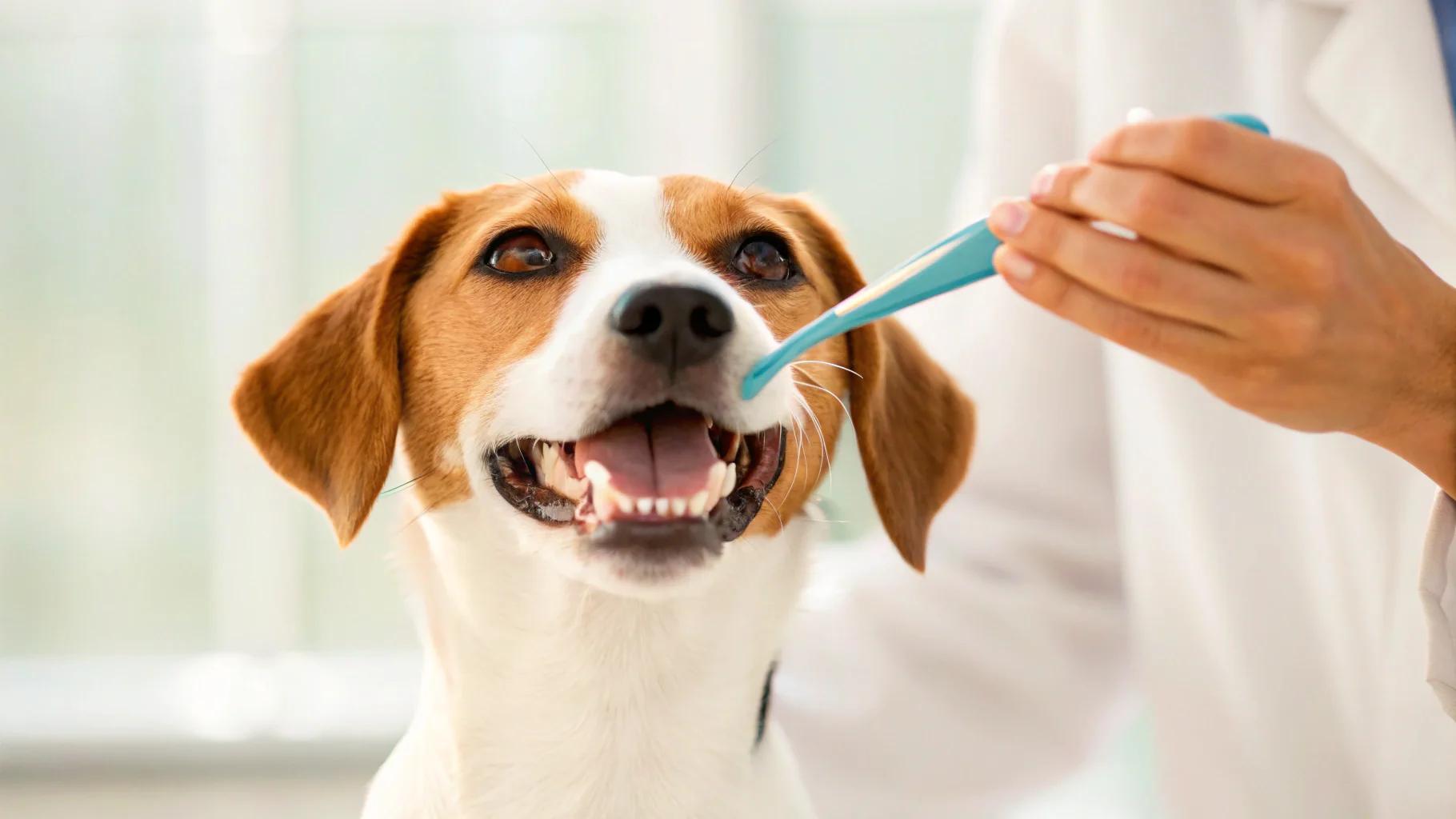
There are certain health concerns in dogs and cats that demand immediate attention. And then there are those that progress quietly, almost invisibly, until they begin to affect comfort and overall wellbeing.
Dental disease belongs firmly in the second category.
At Dr. Paws, we often meet loving pet parents who are surprised to learn that their dog or cat has significant dental buildup — even though they seem to be eating normally.
The truth is, dental disease rarely announces itself dramatically. It develops gradually and often painlessly at first, which is why it becomes one of the most overlooked aspects of preventive care in urban Indian homes.
Why Dental Health Matters More Than It Appears
Dental disease usually begins with plaque, which over time hardens into tartar. This tartar buildup leads to gum inflammation, infection, and eventually periodontal disease.
What makes this concerning is not just bad breath or yellow teeth. Chronic dental infection can affect:
- Appetite and chewing comfort
- Immune function
- Heart, liver, and kidney health in advanced cases
In many urban households, pets are fed soft home-cooked meals or soaked kibble, which can accelerate plaque buildup compared to dry diets that provide mild abrasive cleaning.
The Signs That Often Go Unnoticed
Dental disease in its early stages can be very subtle. Pets adapt well to discomfort and rarely stop eating completely unless pain becomes severe.
Some gentle early indicators include:
- Persistent bad breath
- Slight gum redness
- Yellow or brown discoloration on teeth
- Preferring softer food
- Dropping kibble occasionally
- Pawing at the mouth
Many families assume that ‘dog breath’ or ‘cat breath’ is naturally unpleasant. In reality, strong odour is often a sign of bacterial buildup.
Why Urban Pets May Be More Prone
Urban lifestyles subtly influence dental health in several ways. Indoor pets often consume softer diets, receive fewer raw chew opportunities, and have limited natural tooth abrasion.
Additionally, smaller breeds common in urban Indian households are particularly prone to dental crowding and tartar buildup.
Cats, too, are not exempt. In fact, dental disease in cats often goes undetected even longer because their eating habits are more discreet and behavioural changes can be subtle.
Vet’s Insight
“One case that has stayed with me involved a seven-year-old indoor cat, Bubbles, who was brought in for what the family described as ‘reduced playfulness.’
There were no obvious concerns — she was eating, grooming, and resting as usual.
On gentle examination, we noticed significant tartar buildup and inflamed gums, particularly around the back teeth. There were no dramatic signs — just subtle oral discomfort that had gone unnoticed.
After a professional dental scaling and a short course of treatment, the change was remarkable. Within a few weeks, the family shared that she had become more interactive, resumed playing with her toys, and seemed noticeably more engaged with her surroundings.”
What had been perceived as age-related slowing down was, in reality, chronic low-grade discomfort.
Early dental checks, even in seemingly healthy indoor cats, can make a meaningful difference — not just in oral health, but in overall quality of life.
A Pattern We Frequently Observe
In many cases, pet parents bring their dog or cat for unrelated concerns and we incidentally detect moderate dental disease during oral examination.
This often surprises families. They did not realise their pet had been living with low-grade chronic discomfort.
The body adapts quietly — until relief makes the difference visible.
Does This Affect Indie Dogs Too?
There is sometimes an assumption that indie dogs have stronger teeth and are less prone to dental issues.
Once they transition into urban indoor life with softer diets and fewer natural chewing opportunities, they become just as susceptible to plaque buildup as pedigree dogs.
Resilience does not prevent bacterial growth. Consistent oral care benefits all dogs and cats, regardless of breed.
The Role of Home Dental Care
The most effective way to manage dental health is consistency rather than occasional intervention.
Gentle home care can include:
- Brushing your pet’s teeth 2–3 times per week
- Using veterinarian-approved toothpaste (never human toothpaste)
- Providing appropriate dental chews
- Offering safe chew toys that promote gum stimulation
Even small efforts significantly slow tartar buildup.
Professional Dental Cleaning: When Is It Needed?
Despite home care, some plaque accumulation is common over time. Professional dental scaling under anaesthesia allows thorough cleaning below the gum line — where infection often begins.
We generally recommend:
- Annual dental evaluation for adult pets
- Earlier assessment for small breeds
- More frequent monitoring for pets above 6–7 years
Untreated dental infection poses a far greater long-term health risk than appropriately managed anaesthesia.
Subtle Behavioural Improvements After Dental Care
Families frequently report increased playfulness, better appetite, improved interaction, and more restful sleep after dental treatment.
These changes highlight how quietly chronic oral discomfort can influence daily wellbeing. Pets rarely complain. They simply adjust.
A Preventive Perspective on Long-Term Health
Dental health is not separate from overall health. It is deeply connected to immunity, organ function, and quality of life.
Integrating dental evaluation into routine preventive care significantly reduces complications later in life.
Watching the Small Details
Bad breath, mild gum redness, or subtle chewing changes may seem minor in isolation. But over time, they can signal something that deserves attention.
Whether you share your home with a playful indie dog, a senior Labrador, or a quiet indoor cat, consistent oral care supports comfort in ways that may not always be obvious — but are deeply meaningful over time.